All orders







Korean Skincare for Beginners: Your 10-Step Routine Guide
The famous Korean 10-step skincare routine might sound overwhelming at first, but it's actually a flexible framework designed to give your skin exactly what it needs. Whether you're new to K-beauty or just curious about building a proper routine, breaking down each step makes the process simple and enjoyable.
You don't need to do all 10 steps every day. Start with the basics and add gradually as your skin adjusts.
What Makes Korean Skincare Different?
Korean skincare focuses on prevention and long-term skin health rather than quick fixes. The approach emphasizes hydration, gentle ingredients, and layering products from thinnest to thickest consistency.
K-beauty treats skincare like a ritual. Rather than rushing through, the goal is to give your skin time to absorb each product and benefit from the layering approach. This is why Korean routines often feel more meditative than hurried.
The philosophy centers on supporting your skin barrier, maintaining hydration, and using thoughtfully chosen ingredients that work together rather than against each other.
Korean Skincare Routine: Breaking Down the 10 Steps
Here's what each step does and why it matters.
Step 1: Oil-Based Cleanser Start with an oil-based cleanser to remove makeup, sunscreen, and oil-based impurities. Oil works on the principle that "like dissolves like," meaning oil effectively breaks down sebum and makeup without stripping your skin. Massage onto dry skin, then add water to emulsify before rinsing. Browse cleansers.
Step 2: Water-Based Cleanser. Follow up with a water-based cleanser to remove remaining residue, sweat, and dirt. Double cleansing ensures your skin is truly clean. Look for gentle, low-pH formulas. Browse cleansers.
Step 3: Exfoliator Exfoliation removes dead skin cells and helps other products absorb better. Use 2-3 times per week, not daily. Explore exfoliants.
Step 4: Toner Korean toners are completely different from harsh, alcohol-based toners. K-beauty toners are hydrating essences that balance your skin's pH and prep it to absorb the next products. Pat into your skin with your hands or use a cotton pad. Find toners.
Step 5: Essence Essence is the heart of Korean skincare. These lightweight, watery products are packed with active ingredients targeting specific concerns like hydration, brightening, or anti-aging. Pat into your skin using your palms for better absorption.
Step 6: Serum or Ampoule Serums and ampoules contain concentrated active ingredients. Serums are slightly thicker than essences, while ampoules are more concentrated treatments. Choose based on your concern: vitamin C for brightening, niacinamide for pores, or hyaluronic acid for hydration. Shop serums.
Step 7: Sheet Mask Sheet masks are Korea's most famous beauty export. These serum-soaked fabric masks deliver intense hydration and active ingredients. Use 2-3 times per week. Leave on for 15-20 minutes, then pat in the remaining essence. Browse masks.
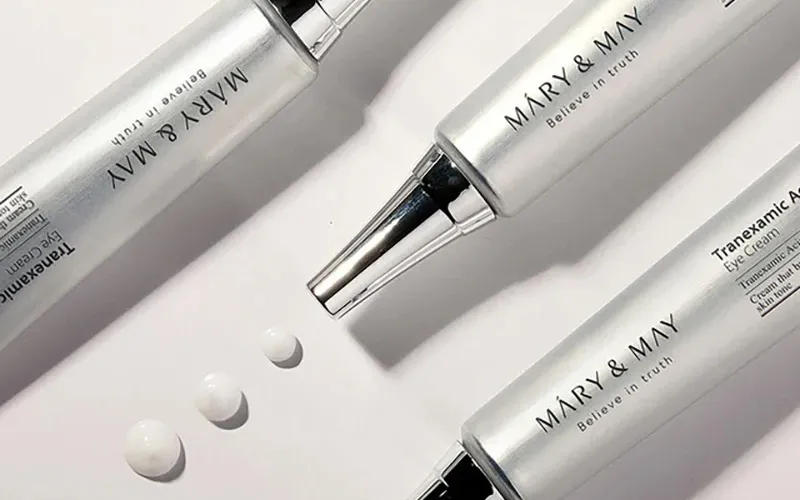
Step 8: Eye Cream The skin around your eyes is thinner and more delicate. Eye creams address dark circles, fine lines, and puffiness. Use your ring finger to apply with light patting motions. Explore Eye Creams
Step 9: Moisturizer seals in all the previous layers and provides a protective barrier. Korean moisturizers range from lightweight gels for oily skin to rich creams for dry skin. Apply evenly across your face and neck. Find moisturizers.
Step 10: Sunscreen (Morning Only) Sunscreen is the most important step in any skincare routine. Apply every morning as your final step, even on cloudy days. Reapply every 2 hours if you're spending time outdoors. Shop sun care.
Korean Skincare Guide For Indian Skin: Start Simple
Starting with all 10 steps at once can overwhelm your skin and your wallet. Begin with these essential steps:
Morning basics:
- Water-based cleanser
- Toner
- Moisturizer
- Sunscreen
Evening basics:
- Oil-based cleanser
- Water-based cleanser
- Toner
- Moisturizer
Once your skin adjusts to this basic routine (give it 2-3 weeks), add one new product at a time. Wait a week between introducing new products so you can identify any that cause irritation.
K-Beauty Steps: Choosing Products for Your Skin Type
Oily skin
Look for lightweight, gel-based products with ingredients like tea tree, niacinamide, or BHA. Avoid heavy creams that might feel suffocating.
Dry skin
Choose richer textures with hyaluronic acid, ceramides, and nourishing oils. Layer multiple hydrating products for maximum moisture.
Combination skin
Use different products on different zones, or choose balanced formulas that hydrate without adding excess oil.
Sensitive skin
Stick with fragrance-free, minimal-ingredient products. Centella asiatica (cica) is a Korean skincare staple that soothes reactive skin.
Common Mistakes to Avoid
Skipping patch tests: Test new products on your inner arm before applying to your face. This prevents unexpected reactions.
Using too many actives at once: Overwhelming your skin with multiple active ingredients can cause irritation. Start with one and add others slowly.
Rushing through your routine: Give each product time to absorb before layering the next. Skincare is a process, not a race.
Not listening to your skin: If something causes redness or irritation, pause and simplify. Your skin will tell you what it needs.
How Long Does This Take?
A full 10-step routine takes about 15-20 minutes. Morning routines are shorter (5-10 minutes) since they skip several steps. Once you're familiar with your products, the process becomes quick and meditative.
Ready to Start Your K-Beauty Journey?
You now understand what each step does and why it matters. Start with the basic 5-7 steps, get comfortable, then gradually add products as your skin adjusts.
The beauty of Korean skincare is its flexibility. There's no one-size-fits-all approach, just principles that guide you toward healthier, more hydrated skin.
Browse Kindlife's K-beauty categories to find products suited to your skin type and concerns. Building a routine that's kind to your skin and the planet starts with understanding what you're working with.
FAQs
How long does the 10-step routine take?
A full 10-step routine takes about 15-20 minutes. Morning routines are shorter (5-10 minutes) since they skip several steps. Once you're familiar with your products, the process becomes quick and meditative.
Do I need to follow all 10 steps every day?
Not at all. The 10-step routine is a maximum framework, not a daily requirement. Most people use 5-7 steps daily and add extras like masks or exfoliators a few times per week. Listen to your skin and adjust accordingly.
Can Korean skincare work for Indian skin?
Absolutely. Korean skincare was developed for Asian skin types, which share characteristics with Indian skin. The focus on hydration, brightening, and sun protection addresses common Indian concerns. K-beauty ingredients like niacinamide, centella, and rice extract work beautifully for all skin tones.
How long before I see results?
Most people notice improved hydration within a few days. Visible results for concerns like texture, dark spots, or fine lines typically appear after 4-6 weeks of consistent use. Skincare requires patience and consistency.
What's the difference between essence and serum?
Essences are thinner, watery products focused on hydration and mild treatment effects. Serums are more concentrated with higher percentages of active ingredients targeting specific concerns. Both serve important but different roles in layering hydration and treatment.

Serum vs Essence Difference: Which One Do You Actually Need?
Walking down the skincare aisle can feel confusing when you see bottles labeled "essence" and "serum" that seem to do the same thing. Should you use both? Which one comes first? Do you even need both?
The good news is that understanding the difference is simpler than you think. Once you know what sets them apart, you can build a routine that actually works for your skin.
What's a Serum? Understanding Targeted Treatments Skincare
Serums are concentrated skincare treatments designed to deliver potent active ingredients deep into your skin. These lightweight liquids or gels pack a powerful punch in small bottles, targeting specific concerns like fine lines, dark spots, or acne.
The magic of serums lies in their molecular structure. Because they're formulated with smaller molecules, they can penetrate deeper than moisturizers or creams. Serums contain high concentrations of active ingredients, making them incredibly efficient at addressing targeted concerns.
Common serum ingredients:
- Vitamin C for brightness and protection
- Hyaluronic acid for intense hydration
- Niacinamide for pore refinement and even skin tone
- Retinol for cell turnover
- Peptides for firmness
Serums have a thicker, more viscous texture compared to essences. A little goes a long way. You usually only need 2-3 drops for your entire face.
Freshly Juiced Vitamin Drop is a serum option that delivers concentrated vitamin C benefits. Goodbye Blemish Serum targets acne-prone skin. Calamine Pore Control Capsule Serum addresses oil and pore concerns.
Korean Essence For Skincare: The Hydration Foundation
Essences are a cornerstone of Korean skincare routines, sitting somewhere between a toner and a serum in both texture and function. Think of essences as hydration boosters that prepare your skin to absorb the treatments that follow.
Originating from Korea and Japan, essences focus primarily on hydration and improving skin texture. While they do contain beneficial ingredients, the concentrations are generally lower than those of serums. Essences have a watery, almost liquid consistency that feels refreshing and lightweight on skin.
The primary role of an essence is to balance your skin's pH after cleansing, provide a base layer of hydration, and enhance the absorption of subsequent skincare products. Proper skin hydration supports your skin barrier's ability to function effectively.
Common essence ingredients:
- Fermented extracts for radiance
- Glycerin for moisture retention
- Botanical extracts for soothing
- Lightweight hyaluronic acid for surface hydration
- Amino acids for barrier support
Royal Honey Propolis Enrich Essence provides deep hydration with beneficial ingredients. Ginseng Essence Water offers hydration with revitalizing properties.
Serum vs Essence The Difference: Breaking It Down
Understanding what sets these products apart helps you choose wisely.
Texture:
Essences flow like water and absorb almost instantly, leaving no residue. Serums range from gel-like to slightly viscous, taking longer to sink in completely.
Concentration:
Serums contain highly potent formulas aimed at specific issues. Essences offer gentler, more widespread benefits with lower active ingredient percentages.
Purpose:
Serums target and treat specific skin concerns like acne, hyperpigmentation, or aging. Essences hydrate, prep, and optimize your skin for better absorption of other products.
Application order:
In the "thin to thick" layering rule, essences always come before serums. After cleansing and toning, apply essence first to deliver initial hydration. Follow with your serum to address targeted concerns, then seal everything with moisturizer.
Targeted Treatments For Skincare: Which Should You Choose?
The answer depends on your skin type, concerns, and what you're hoping to achieve.
Choose an essence if you:
- Have normal to oily skin that needs lightweight hydration.
- Want to embrace the full Korean skincare routine.
- Prefer layering multiple light products over one heavy cream.
- Need help with dullness or uneven texture.
- Want to boost the absorption of your other skincare products?
Choose a serum if you:
- Have specific skin concerns like wrinkles, acne, or dark spots
- Want targeted treatment with concentrated active ingredients.
- Prefer a streamlined routine with fewer steps.
- Have mature skin needing intensive support
- Are you dealing with significant pigmentation or texture issues
The real answer? You don't have to choose. Many skincare lovers use both, layering essence first for hydration, then following with a targeted serum. This combination approach addresses both hydration and treatment simultaneously.
Layering Serums & Essences: The Right Order
If you want to use both products, proper layering ensures you get maximum benefits without wasting product or causing irritation.
The correct layering order:
- Cleanser
- Toner
- Essence (thinnest consistency first)
- Serum (or multiple serums, thin to thick)
- Eye cream
- Moisturizer
- Sunscreen (morning only)
Layering tips:
- Wait 30-60 seconds between each step for better absorption.
- Pat products in gently rather than rubbing
- Start with the thinnest texture and work up to the thickest.
- Don't overload your skin; use only what you need for each product.
- Listen to your skin and adjust the routine if you experience sensitivity.
Artichoke Intensive Skin Barrier Ampoule works as a treatment layer between essence and serum, adding extra barrier support. The Mini Glow Set provides a curated combination of products for proper layering.
Ready to Build Your Routine?
Browse Kindlife's face serums and oils collection to explore options for your specific skin concerns. You'll find essences, serums, and ampoules suited to different skin types and goals.
Join the community to see how other users layer serums and essences for their unique skin needs. Real recommendations from people with similar skin help you choose confidently.
FAQs
Can I skip moisturizer if I use essence and serum?
No, essences and serums don't replace moisturizer. While they provide hydration and treatment, you still need a moisturizer to seal in all those beneficial ingredients and protect your skin barrier. Think of essence and serum as the treatment layers, while moisturizer is the protective seal.
How long should I wait between applying essence and serum?
Wait about 30 to 60 seconds between layers. You want the essence to absorb enough that your skin feels slightly damp but not soaking wet. Applying serum on slightly damp skin actually helps with absorption.
Are essences necessary if I already use a hydrating serum?
Essences aren't strictly necessary, but they offer benefits beyond just hydration. The fermented ingredients and botanical extracts common in essences provide unique skin-boosting properties. If you love your K-beauty routine or enjoy the ritual, keep the essence. If you prefer minimal steps and your hydrating serum works well, you can skip it.
Can sensitive skin use both essence and serum?
Yes, but choose gentle formulas without fragrances or harsh actives. Look for soothing ingredients like centella asiatica, ceramides, and gentle botanical extracts. Start with one product at a time and patch test before applying to your full face.
Do I need different essences and serums for morning and night?
Many people switch it up. Morning routines often feature antioxidant serums like vitamin C, while evening routines might include retinol or exfoliating acids. However, using the same products twice daily works perfectly fine if they suit your skin.
Korean Haircare Routine: From Scalp to Ends
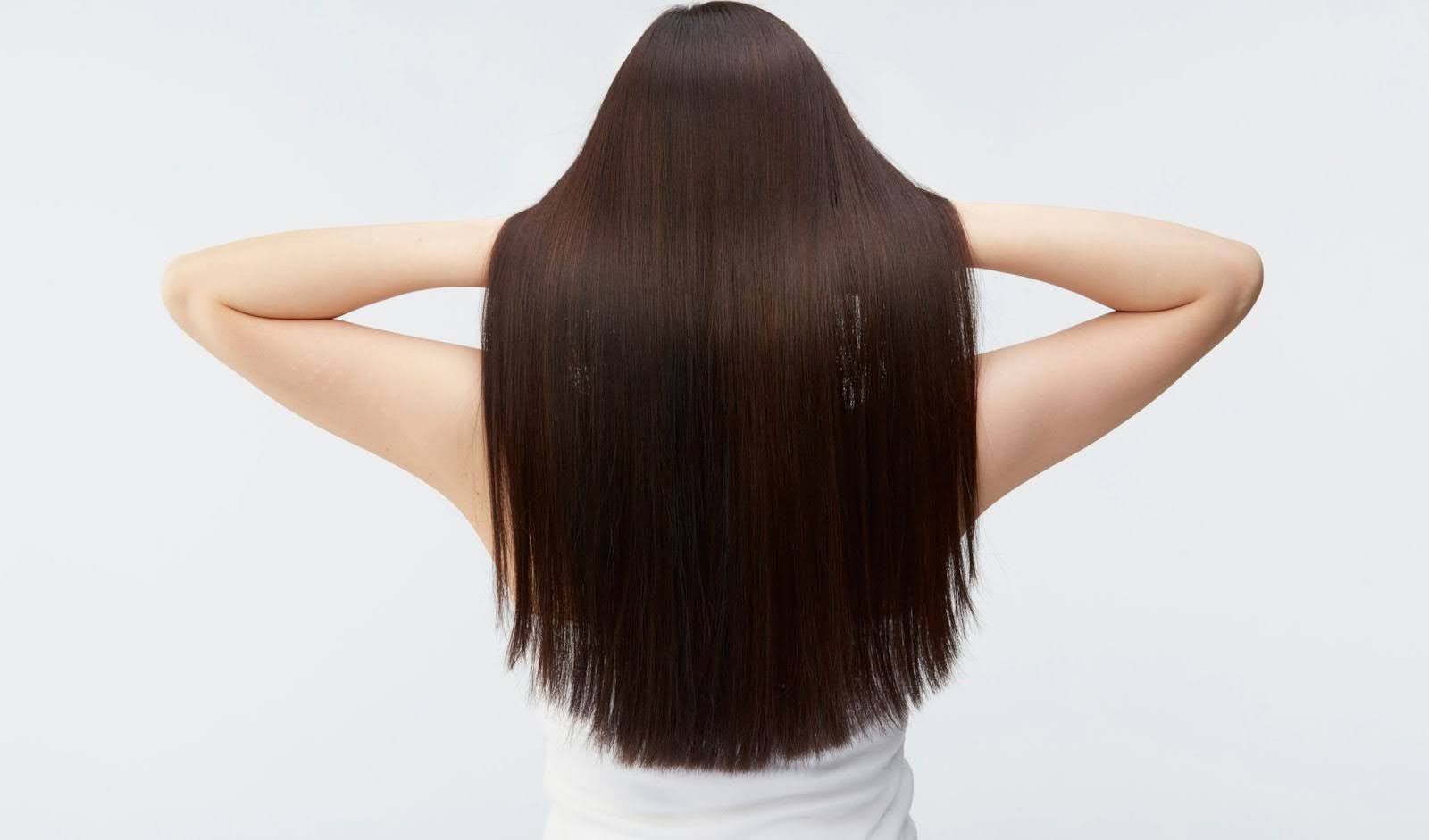
Your face has a dedicated skincare routine. Your hair deserves the same attention. Korean beauty teaches us that great hair starts with a healthy scalp and continues through every strand. Whether you're dealing with dryness, scalp issues, or hair fall, a structured Korean haircare approach delivers real results.
Let's build a routine that actually works.
Korean Haircare Routine: The Complete Step-by-Step
Korean haircare focuses on treating your scalp like your facial skin. It's a holistic approach that addresses root health and strand nourishment together.
Step 1: Scalp care
Begin with a scalp treatment to remove buildup and support follicle health. This is the foundation.
Step 2: Double cleanse
Similar to facial routines, two cleansing steps ensure thorough purification without stripping natural oils.
Step 3: Condition from mid-length to ends
Apply hydrating conditioner where hair needs it most, leaving roots light.
Step 4: Weekly treatment
A deep conditioning mask targets specific concerns and repairs damage.
Step 5: Protection
Lightweight serums or oils seal and protect.
This routine works because each step serves a purpose. It's not complicated, just consistent.
Scalp Treatment Korea: Why This Step Matters
Your scalp health directly impacts your hair quality. When your scalp is clogged with product buildup and dead skin, hair growth suffers. Korean scalp treatments address this.
Physical exfoliation with scalp scrubs:
Used 1-2 times weekly, gentle scalp scrubs remove dead cells and excess buildup. Look for fine-particle formulas that clarify without irritation.
Chemical exfoliation:
Toners and essences with mild exfoliating acids work more gently than scrubs. Apply directly to the scalp and massage to boost circulation.
Scalp tonics and essences:
These lightweight formulations contain ingredients designed specifically for scalp health. Apply with a fingertip massage in circular motions. Better blood flow means hair follicles receive more nutrients.
Love Earth's Hair Fall Control Scalp Treatment offers targeted scalp support. The treatment approach focuses on strengthening from the root.
Best Korean Haircare India: Building Your Collection
Finding authentic Korean haircare in India is now straightforward. Focus on these key products for a complete routine:
Shampoo: Korean shampoos tend toward gentler formulations than many Western options. The Skin Story's Keratin Shampoo, paired with conditioner, offers a balanced daily cleansing duo.
For specific concerns: Dandruff Control Shampoo addresses scalp issues directly. Anti-dandruff formulas work best with consistent use.
Hair serums: Non-sticky UV Protection Hair Serum provides lightweight protection and shine without greasy residue. These serums work on damp or dry hair.
Hair masks: Deep conditioning is where transformation happens. Hair Nourishing Mask with Biotin and Shea Butter provides intensive repair. Use weekly for best results.
Browse the complete haircare collection to see all options available for your specific hair concerns.
Hair Mask Korea Beauty: The Weekly Treatment
Hair masks are where Korean haircare truly shines. Unlike daily conditioners, masks contain higher concentrations of active ingredients designed to penetrate and repair.
For damaged hair: Protein-rich masks with ingredients like keratin rebuild weakened strands. Use once weekly, leaving it on for 10-20 minutes.
For dry hair: Moisture masks with shea butter, oils, and botanical extracts restore hydration and elasticity. These work especially well on mid-lengths and ends.
For all hair types: Five Oil Hibiscus Hair Mask combines nourishing oils suited for conditioning and smoothing. The multi-oil blend addresses multiple hair concerns simultaneously.
How to use masks effectively: Apply to damp hair from mid-length to ends. Avoid the scalp unless you have very dry scalp skin. Leave on for 10-20 minutes. For deeper treatment, wrap hair in a shower cap to increase penetration.
Simple Haircare Habits That Make a Difference
Beyond products, daily practices matter:
Brush before washing: Detangle dry hair gently to minimize breakage when wet.
Water temperature: Use lukewarm water while cleansing, finish with cool water to seal the cuticle and boost shine.
Towel technique: Pat hair dry with a microfiber towel instead of rubbing. Friction causes frizz and damage.
Scalp massage: Spend two minutes daily massaging your scalp with fingertips in circular motions. This boosts circulation to hair follicles.
Treat your scalp like facial skin: Your scalp is skin and needs similar care. Use targeted treatments, avoid touching excessively, and protect from sun exposure.
Adapting Korean Haircare for India
India's climate varies widely, which means your routine needs adjustments based on where you live.
For humid climates (coastal areas, monsoon regions):
Use lightweight, water-based products. Exfoliate scalp more frequently to prevent clogged pores. Choose serums that absorb quickly.
For dry climates (northern regions, winter months):
Layer hydrating products. Use hair masks weekly. Add oil to the ends for extra nourishment.
For hard water:
Mineral buildup affects all hair types. Use clarifying scalp treatments more frequently to prevent accumulation.
For heat-damaged hair:
Weekly masks become essential. Protein treatments help rebuild damaged strands.
Browse and Explore
Ready to start a Korean haircare routine? Kindlife's haircare collection features 308 products suited to every hair concern and type. From scalp treatments to hair masks, you'll find options curated for the Indian climate and hair needs.
Join the community to see what other users recommend. Real reviews from people with similar hair help you choose products that actually work for your situation.
FAQs
How often should you do a Korean haircare routine?
Daily: Shampoo and condition based on your scalp type (oily scalps daily, dry scalps every 2-3 days). Weekly: Use scalp scrub and deep conditioning mask once or twice. Monthly: Assess hair health and adjust products as needed for seasonal changes.
Can Korean haircare help with hair fall?
Korean scalp treatments containing caffeine, biotin, and ginseng can strengthen follicles and reduce shedding. However, significant hair fall requires medical consultation. Haircare products support overall scalp health but cannot treat underlying medical conditions.
Are Korean hair products suitable for all hair types?
Most Korean haircare products work across hair types because they focus on scalp health and gentle nourishment. Curly, wavy, straight, thick, or fine hair all benefit from balanced cleansing and proper conditioning. Choose specific formulations based on your scalp condition rather than hair texture alone.
What makes Korean hair masks different from regular conditioners?
Korean hair masks contain higher concentrations of active ingredients like proteins, ceramides, and botanical extracts. While conditioners provide surface smoothing, masks penetrate deeper into the hair shaft to repair damage and restore moisture balance. Treatment frequency is weekly rather than daily.
Where can you buy authentic Korean haircare products in India?
Look for online marketplaces specializing in K-beauty and J-beauty with direct brand partnerships. kindlife.in offers 800+ curated brands with 100% authentic direct sourcing, authenticity guarantees, and proper import documentation. Platforms focusing on clean beauty and sustainable practices curate quality Korean haircare collections suitable for Indian consumers.
Best Sunscreen for Oily Skin: Dermatologist Recommendations
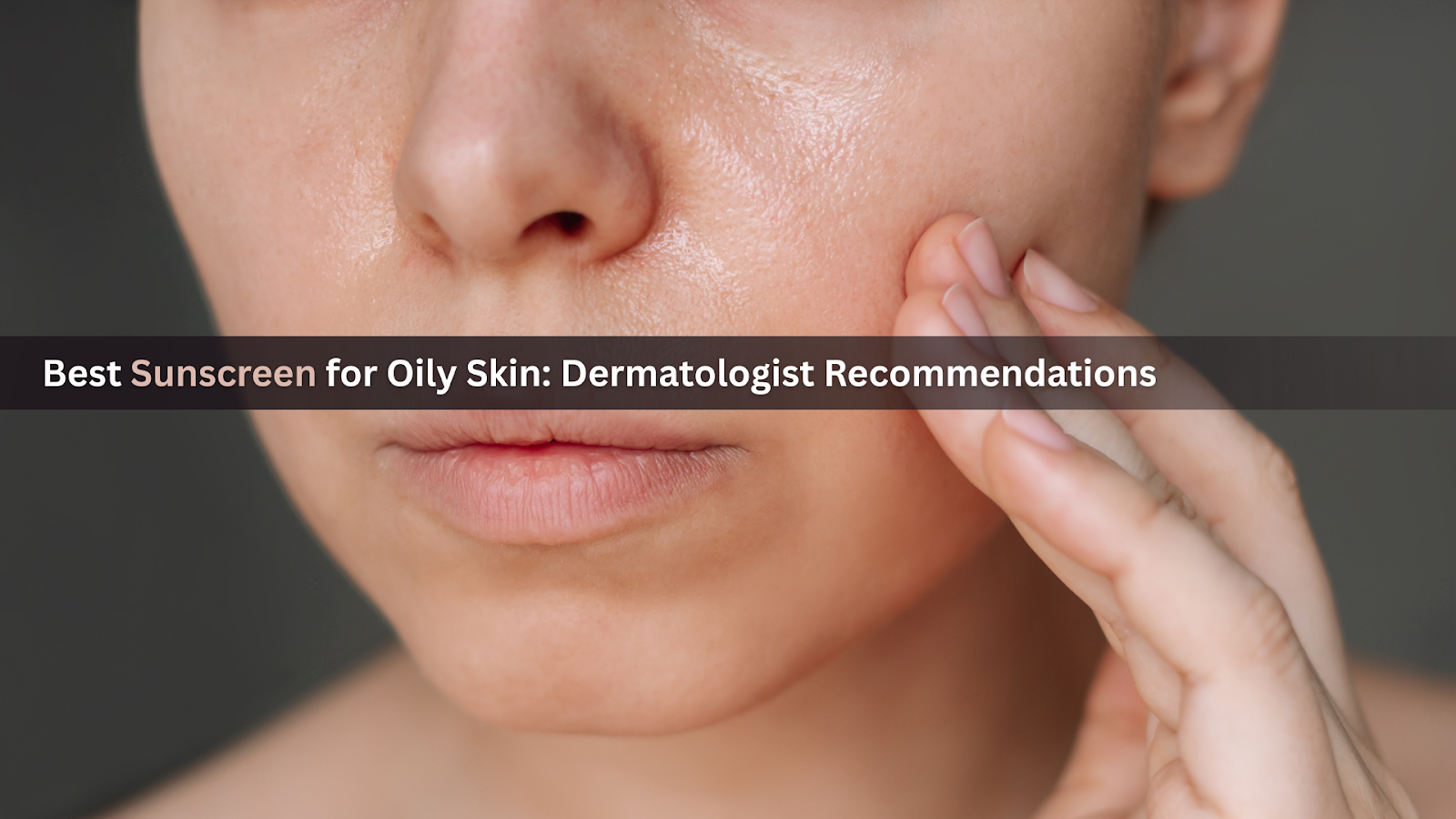
You know sunscreen is non-negotiable. But every formula you try leaves your face looking like an oil slick by noon. Finding the best sunscreen for oily skin can feel like a never-ending hunt. Most formulas sit heavy, clog pores, or turn your T-zone into a shiny mess within hours.
The good news? The right sunscreen exists. And dermatologists have solid advice to help you find it.
Why Your Oily Skin Still Needs Sunscreen
Skipping sunscreen because your skin already feels greasy is a common mistake. UV radiation damages all skin types equally. According to research published in Nature, melanoma rates continue to rise globally, with UV exposure remaining the primary cause of skin cancers.
What many people do not realise is that UV exposure can make oily skin worse. Sun damage triggers inflammation, which increases sebum production. Your skin may also become dehydrated, prompting it to produce even more oil to compensate.
What Makes a Sunscreen Good for Oily Skin
When shopping for oily skin, look for oil-free or non-comedogenic formulas. Gel or water-based textures absorb quickly and feel weightless. Mattifying ingredients like silica and niacinamide help control shine throughout the day. Dermatologists recommend at least SPF 30 for daily protection, and for Indian skin concerns like hyperpigmentation, look for a PA++++ rating for high UVA protection.
Stay away from thick, creamy formulas and heavy oils like coconut oil. Mineral sunscreens with zinc oxide work beautifully since they are naturally mattifying.
Best Types of Sunscreen for Oily Skin
Gel Sunscreens
Gel formulas are ideal if you have oily skin. They spread easily, absorb fast, and leave a non-greasy finish. A rice-based sunscreen with probiotics works wonderfully for those who want gentle hydration without heavy oils.
Water-Based and Matte-Finish Sunscreens
Water-based formulas feel almost like nothing on your skin. They are breathable and allow sebum to move through pores naturally. Perfect for humid climates where heavy sunscreens feel suffocating. A physical sunscreen with SPF 50 can give you stress-free, shine-free protection throughout the day.
Korean Sunscreen for Oily Skin: Why It Works
K-beauty has changed the sunscreen game entirely. Korean brands use modern UV filters that provide strong protection with incredibly lightweight textures. Many people find that Korean sunscreen for oily skin works better because these formulas skip the heavy, greasy feel of traditional Western sunscreens.
Centella-based sunscreens have become especially popular. A centella-infused sun serum combines hydration with high SPF protection. Korean sunscreens often come in SPF 50+ PA++++ formulas, giving you maximum protection without heaviness.
How to Apply Sunscreen on Oily Skin
Apply to clean, dry skin after letting your moisturiser absorb fully. Use about two finger lengths of product for your face. Give your sunscreen two to three minutes to set before applying makeup. When outdoors, reapply every two hours. Indoors near windows? Every four hours works fine.
If you prefer SPF-infused makeup for touch-ups, an illuminating blemish cream can give you coverage and protection in one step. For body coverage, lightweight body sunscreens keep you protected without feeling greasy.
Ingredients That Help Control Oil
When scanning ingredient lists, look for niacinamide, which regulates sebum and minimises pores. Zinc oxide is naturally mattifying and gentle. Silica absorbs excess oil throughout the day. Green tea extract calms inflammation and helps prevent breakouts.
An aloe-based sun cream combines soothing properties with effective protection. For something fruit-forward, a green grape sunscreen offers antioxidant benefits alongside oil control.
Your Kind Choice for Sun Protection
At Kindlife, we believe skincare should be kind to you and kind to the planet. Every sunscreen for oily skin in our collection is carefully curated to meet clean beauty standards. We stock over 800 brands focusing on toxin-free, cruelty-free, and sustainable options. We source directly from brands to ensure 100% authenticity, so you can trust what you are putting on your skin.
Final Thoughts
Finding the best sunscreen for oily skin, a dermatologist recommended that it does not have to be complicated. Focus on gel or water-based formulas, check for oil-free labels, and pay attention to the PA rating. With consistent daily use, you will protect your skin from UV damage without adding extra shine.
Browse our full sun care collection and find your perfect match today.
FAQs
Can oily skin use mineral sunscreen?
Yes. Mineral sunscreens containing zinc oxide work well for oily skin. They sit on top of the skin and provide a natural matte finish. Look for lightweight formulas to avoid a chalky appearance.
What SPF should I use for oily skin in India?
Dermatologists recommend SPF 50 for face protection in Indian conditions where sun intensity is high. Make sure it also has a PA++++ rating for strong UVA protection against hyperpigmentation.
How often should I reapply sunscreen if I have oily skin?
- Reapply every two hours when outdoors
- Reapply every four hours when indoors near windows or screens
- Blot excess oil before reapplying for best results
Will sunscreen make my acne worse?
Not if you choose the right formula. Look for these features:
- Non-comedogenic and oil-free labels
- Gel or water-based textures instead of thick creams
- Mattifying ingredients like niacinamide or silica
Is Korean sunscreen better for oily skin?
Many people prefer Korean sunscreens for oily skin because they use modern, lightweight formulas. They often provide high protection (SPF 50+ PA++++) without the greasy feel of traditional Western sunscreens.
Best Lightweight Serums for Combination Skin
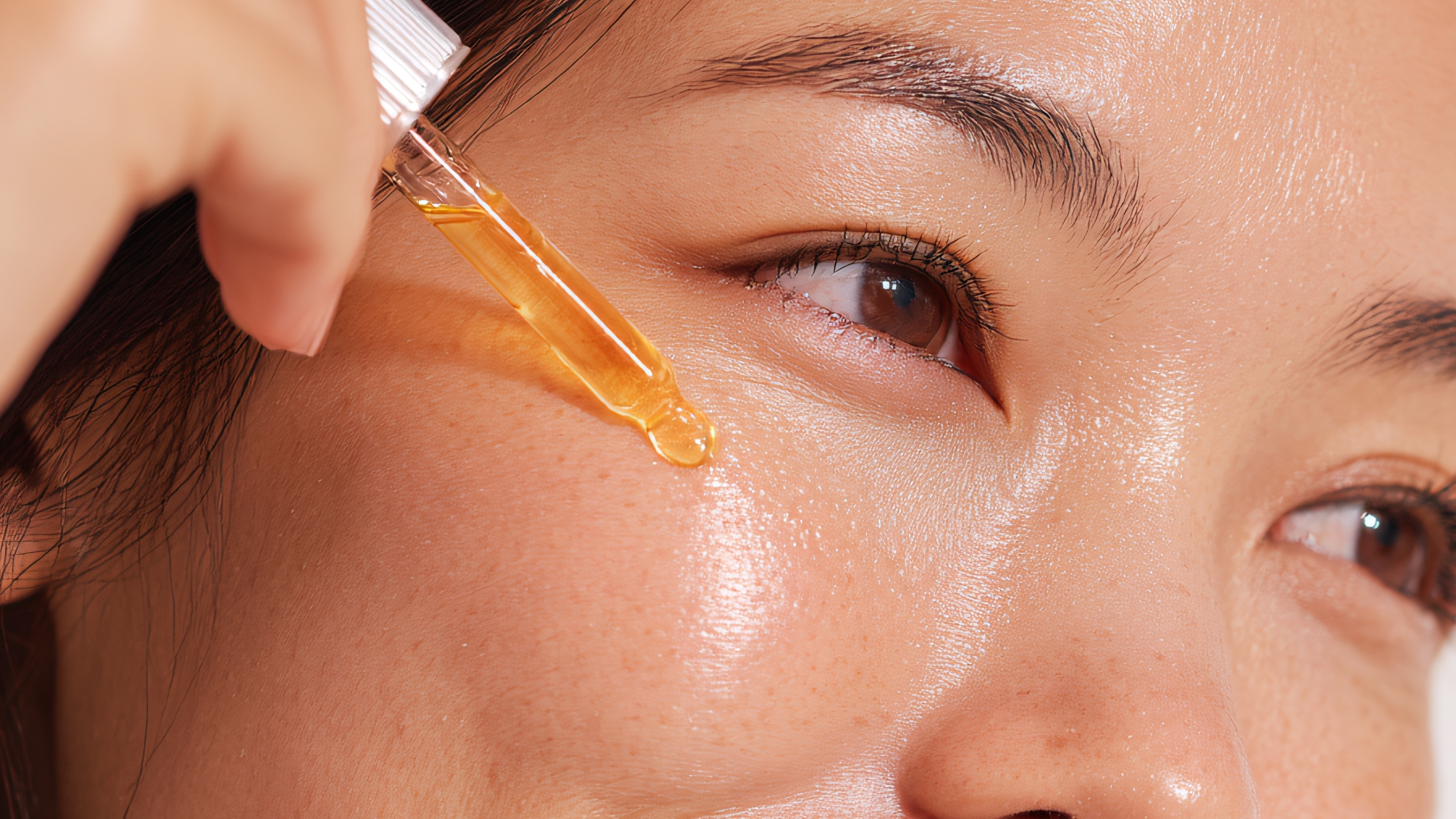
Your T-zone is shiny by lunch. Your cheeks feel tight and parched. And somehow, you're expected to find one product that works for both. Combination skin is frustrating, but the right face serum for combination skin can finally bring balance to your routine.
Heavy creams make oily areas worse. Mattifying products leave dry patches flaky. What you need is a lightweight serum that actually responds to. Something that hydrates without clogging pores and controls oil without stripping moisture. Let's find your perfect match.
Why Lightweight Serums Work for Combination Skin
Combination skin needs targeted hydration, not heavy layers. A lightweight face serum for combination skin, oily t-zone concerns absorbs quickly, delivers actives where needed, and doesn't sit on the surface creating more shine.
According to Dermato Endocrinology research, skin in different facial zones produces varying amounts of sebum, which is why your forehead and nose behave differently from your cheeks. The solution isn't avoiding hydration. It's choosing formulas that adapt to these differences.
Water-based serums with small molecular structures penetrate efficiently without adding oiliness. They deliver ingredients like hyaluronic acid, niacinamide, and centella directly to your skin cells. The result? Balanced hydration that leaves dry areas comfortable and oily zones controlled.
Key Ingredients for Combination Skin
The best serum for combination skin contains ingredients that multitask. Look for these activities when shopping.
Niacinamide
Niacinamide is arguably the best ingredient for combination skin. It regulates sebum production in oily areas while strengthening the skin barrier in dry zones. You get balance without irritation, and it works well with almost every other activity.
Low-Weight Hyaluronic Acid
Hyaluronic acid hydrates without heaviness. For combination skin, look for low-molecular-weight versions that absorb quickly and don't leave sticky residue. They plump dry cheeks while keeping your T-zone comfortable.
Centella Asiatica
Centella calms inflammation and supports skin repair. If your combination skin also gets red or irritated, the Skin1004 Madagascar Centella Tone Brightening Capsule Ampoule delivers soothing benefits with added brightening.
Green Tea
Green tea controls excess oil while providing antioxidant protection. It's particularly useful for humid Indian climates where your T-zone works overtime.
Top Lightweight Serums for Combination Skin
Here are formulas that actually work for combination skin in Indian weather.
For Hydration Without Heaviness
The COSRX Advanced Snail 96 Mucin Power Essence absorbs beautifully and leaves skin bouncy without greasiness. Snail mucin repairs and hydrates all skin types, making it a versatile choice for combination concerns. The 6 Peptide Skin Booster Serum offers anti-aging benefits in a lightweight formula that won't overwhelm oily zones.
For Brightening and Balance
Dull combination skin needs vitamin C. The Klairs Freshly Juiced Vitamin Drop contains a gentle 5% concentration that brightens without irritating sensitive areas. For targeting dark spots while controlling sebum, the Dark Spot Correcting Glow Serum addresses pigmentation concerns that Indian skin often faces.
For Oily T-Zone Control
When your T-zone dominates your skin concerns, look for serums with niacinamide and green tea. These ingredients regulate oil production without drying out your cheeks. Water-based, fast-absorbing textures work best in humid conditions.
How to Apply Serum on Combination Skin
Application technique matters when you're dealing with different skin zones.
Start with clean, toned skin that's still slightly damp. Use two to three drops of your face serum and warm it between your fingertips. Press gently into your skin rather than rubbing.
Here's the key for combination skin: adjust your application by zone. Apply a generous amount to dry cheeks and a lighter touch on your T-zone. This customised approach ensures every area gets what it needs without overloading oily zones.
Wait about 30 seconds before applying moisturiser. In humid weather, you might skip heavy moisturiser on your T-zone entirely and just seal in the serum with a lightweight gel.
Adapting Your Serum Routine for Indian Weather
India's climate varies dramatically, and your lightweight serum combination skin routine should adapt accordingly.
During summer and monsoon, stick to one thin layer of serum. Water-based formulas absorb quickly and won't feel heavy in humidity. You might find your serum provides enough hydration for oily zones without additional moisturiser.
During winter, layer your serum twice on dry areas. Follow with a richer moisturiser on cheeks while keeping your T-zone lighter. The serum collection at Kindlife includes options for every season.
Year-round, always finish with sunscreen. Many serum actives increase sun sensitivity, and hyperpigmentation is a genuine concern for Indian skin.
Kind Choices for Combination Skin
At Kindlife, we understand that combination skin needs smart solutions, not complicated routines. Our curated skincare collection features lightweight serums from trusted Korean and global brands that work for Indian weather. Whether you need a face serum for combination skin that balances oil or something that targets dullness, you'll find formulas that actually deliver.
Find your balance and let your skin feel comfortable in every zone.
FAQs
What is the best serum for combination skin in humid weather?
Look for water-based serums with niacinamide or green tea. These formulas absorb quickly, control oil in your T-zone, and provide lightweight hydration for dry areas without feeling heavy.
Can I use multiple serums on combination skin?
Yes, but keep it simple. Use a hydrating serum on dry areas and skip or lightly apply on oily zones. Layering too many products can overwhelm combination skin.
Should I avoid hyaluronic acid if my T-zone is oily?
- Hyaluronic acid works for all skin types, including oily zones
- Choose low-molecular-weight versions that absorb quickly
- Apply on damp skin for best results without stickiness
How often should I use serum on combination skin?
- Most lightweight serums are gentle enough for twice-daily use
- Apply morning and night after cleansing and toning
- Adjust frequency based on how your skin responds
Why does my serum make my T-zone shinier?
You might be using a formula that's too heavy or applying too much product on oily areas. Switch to a water-based, fast-absorbing serum and use a lighter touch on your T-zone.
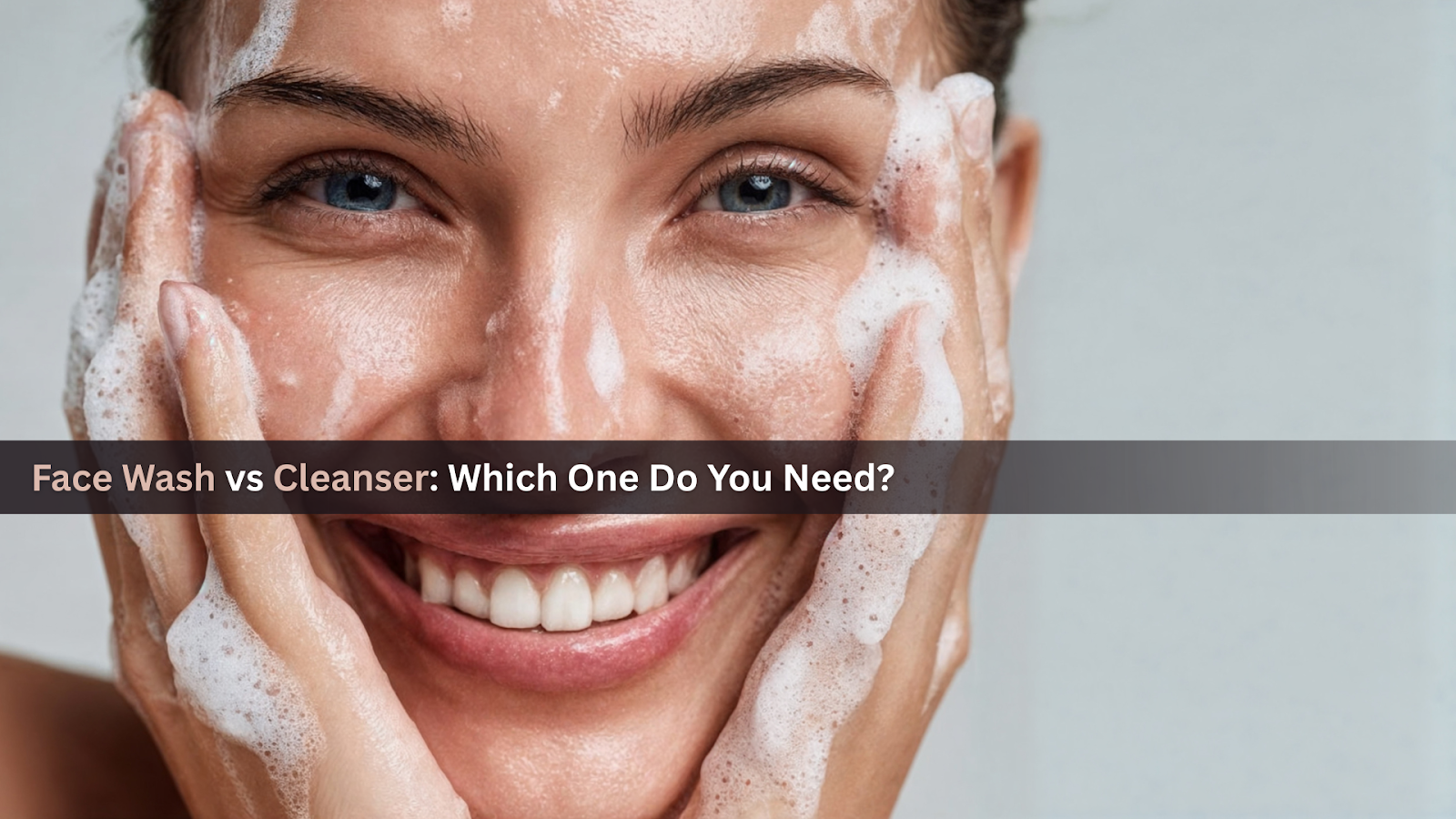
Face Wash vs Cleanser: Which One Do You Need?
You've probably stood in the skincare aisle, staring at bottles labelled "face wash" and "cleanser," wondering if they're the same thing. Spoiler: they're not. Understanding the cleanser vs face wash debate can genuinely change how your skin feels every single day.
Cleansing is one of the most common skincare steps. According to Statista research, 85% of women and 67% of men include cleansing in their daily routines. But not all cleansing products work the same way for every skin type. Let's break down the difference between face wash and face cleanser so you can pick the right one.
What Exactly Is a Face Wash?
A face wash is typically water-based and designed for a deeper, more refreshing cleanse. When you massage it into your skin, it forms a foam or lathers up. That foaming action helps the formula reach into your pores to remove excess oil, dirt, and sweat.
Face washes usually have a gel-like or liquid texture. They're particularly helpful if you have oily or combination skin because they can tackle sebum buildup without leaving residue behind. The COSRX Low pH Good Morning Gel Cleanser is a popular choice that maintains your skin's natural pH balance while clearing pores effectively.
Face wash works well for oily skin that needs thorough pore cleansing, combination skin with an oily T-zone, post-workout cleansing when you're sweaty, and hot, humid climates where your skin produces more oil.
What Makes a Face Cleanser Different?
A face cleanser takes a gentler approach. Cleansers are often creamier, silkier, or oil-based. Instead of foaming up, they work by binding to dirt and oil on your skin's surface and lifting it away without heavy scrubbing.
The key difference in the face cleanser vs face wash comparison? Cleansers focus on maintaining your skin's natural moisture balance while still removing impurities. They're richer in formula and often include hydrating ingredients that leave your skin feeling soft rather than stripped. The Numbuzin No.2 Deep Clean Fresh Cream Cleanser offers this gentle yet effective approach.
Face cleanser works well for dry skin that needs moisture retention, sensitive skin that reacts to harsh products, mature skin that benefits from gentle formulas, and cold, dry climates where skin needs extra hydration.
The Core Differences at a Glance
Understanding the face wash vs facial cleanser distinction helps you make smarter choices.
When it comes to formula and texture, face washes are water-based and foam up. Cleansers come in cream, gel, milk, or oil forms and typically don't produce suds. For cleansing intensity, face washes dig deeper into pores for thorough cleaning, while cleansers work on the surface level, focusing on gentle removal.
The moisture impact also differs significantly. Face washes can sometimes leave skin feeling tight, especially if you have dry skin. Cleansers prioritise hydration and rarely cause that stripped sensation. Reach for face wash when you need to cut through oil and sweat. Choose a cleanser when you want to remove makeup or need something softer on your skin.
Matching Your Skin Type to the Right Product
Your skin type should guide your choice in the cleanser vs face wash decision.
For oily skin, a foaming face wash is your friend. The Skinfood Egg White Perfect Pore Cleansing Foam uses egg white extract to tighten pores and control sebum. The Isntree Green Tea pH Clear Foam Cleanser is another excellent option with green tea that soothes while cleansing.
For dry skin, skip the foam and go for a cream or milk cleanser. Cleansers with hydrating ingredients won't strip away the natural oils your skin desperately needs. The Round Lab 1025 Dokdo Cleanser uses mineral-rich deep sea water that cleanses gently while maintaining hydration.
For sensitive skin, gentle, fragrance-free cleansers are the safest bet. Avoid anything with harsh surfactants or strong foaming agents. Combination skin might benefit from having both products in your routine. Use a gentle face wash on oily areas and a cleanser on drier patches, or alternate based on what your skin needs that day.
The Double Cleansing Method
You don't have to choose just one. Double cleansing, a practice from Japanese and Korean skincare, involves using both types of products in sequence.
Start with a cleansing oil or cleansing balm to dissolve makeup, sunscreen, and excess sebum. Follow up with a water-based gel cleanser to remove any remaining residue and deeply cleanse your pores. This method makes sense if you wear waterproof makeup, apply sunscreen daily, or have oily or acne-prone skin.
A word of caution: double cleansing isn't necessary for everyone. If you have dry, sensitive, or eczema-prone skin, washing your face twice might irritate it. Listen to your skin. If it feels tight, red, or uncomfortable after double cleansing, stick to one gentle cleanser.
Building Your Cleansing Routine
Morning and evening cleansing needs are different. Your skin isn't dirty in the morning, just slightly oily from overnight. A gentle cleanser or even just water works fine for most people. Save the deeper cleansing for nighttime when you need to remove sunscreen, pollution, makeup, and natural oil buildup.
Post-workout, sweat mixed with dirt and bacteria can lead to breakouts. A quick cleanse with a gentle face wash after exercise helps keep your skin clear. For convenience on busy days, cleansing wipes can help refresh your face when you can't do a full wash.
Kind Choices for Your Cleansing Routine
At Kindlife, we believe your cleansing routine should work for your unique skin type. Our curated cleanser collection features gentle face washes, nourishing face cleansers, and effective cleansing balms from trusted global brands. Whether you're team face wash, team cleanser, or both, you'll find options that suit Indian weather and skin concerns.
Find your perfect cleansing match and give your skin the fresh start it deserves.
FAQs
Is face wash or cleanser better for acne?
Face washes with ingredients like salicylic acid or benzoyl peroxide work well for acne-prone skin. However, if your skin is both acne-prone and sensitive, a gentle cleanser might cause less irritation while still keeping pores clear.
Can I use face wash and cleanser together?
Yes, and many people do. Start with an oil-based cleanser or cleansing balm to break down makeup and sunscreen, then follow with a foaming face wash for a deeper clean. Just avoid double cleansing if your skin is dry or sensitive.
How often should I cleanse my face?
- Twice daily, morning and evening, is the standard recommendation
- If you have very dry skin, cleansing once at night might work better
- Use just water in the morning if your skin feels stripped
Why does my face feel tight after using face wash?
- Tightness usually means the face wash is too harsh for your skin
- It could be stripping away too much natural oil
- Consider switching to a gentler, hydrating cleanser instead
Do I need a separate makeup remover if I use a cleanser?
Many cream and oil cleansers can remove makeup effectively. However, waterproof mascara or long-wear foundation might need a dedicated makeup remover or micellar water first.

Sunscreen: Your Best Anti-Aging Step and How to Apply It Properly
Sunscreen might not feel as exciting as serums or creams, but it's genuinely the most effective anti-ageing product you can use. UV radiation breaks down collagen and elastin, the proteins that keep your skin firm and smooth. Once damaged, these structures don't fully repair themselves.
If you're serious about preventing wrinkles, dark spots, and sagging skin, sunscreen is where to focus your effort and money.
Sunscreen for Face For Indian Skin: Why Daily Protection Matters
Your skincare routine can get complicated, but dermatologists worldwide agree on one thing: sunscreen matters more than anything else. UV rays penetrate clouds and windows, reaching your skin even on days you don't plan to be "in the sun."
Why sun protection is essential:
- UV radiation breaks down collagen and elastin fibres.
- Reduces risk of dark spots and hyperpigmentation
- Shields skin from UVA rays (ageing) and UVB rays (burning)
- Protects against skin cancer and sun damage
- Works better than anti-ageing creams when used consistently
Beyond preventing wrinkles, sunscreen protects against hyperpigmentation. When UV rays hit your skin, melanocytes produce excess pigment, creating dark patches that are difficult to fade. Whether you're dealing with post-acne marks or uneven tone, sun protection is essential for maintaining an even complexion.
Korean Sunscreen SPF50 PA++++: Understanding the Protection Ratings
Not all sunscreens are created equal. For daily facial wear, you want something that feels light, doesn't leave a white cast, and works well under makeup or on bare skin.
SPF explained: SPF (Sun Protection Factor) measures protection against UVB rays that cause sunburn. SPF 30 blocks about 97% of UVB rays, while SPF 50 blocks 98%. For consistent anti-ageing protection, SPF 50 is ideal.
PA rating explained: PA rating, common in Asian sunscreens, measures UVA protection. UVA rays penetrate deeper and cause most aging damage. PA++++ offers the highest UVA protection available. This combination (SPF 50 PA+++) is considered comprehensive for daily use.
Physical vs Chemical formulas: Physical (mineral) sunscreens use zinc oxide or titanium dioxide to reflect UV rays. Chemical sunscreens absorb UV radiation and convert it to heat. Both work well when formulated properly. Chemical filters tend to feel lighter on Indian skin tones, while physical options work beautifully for sensitive skin.
Korean sunscreen formulas combine both types for broad-spectrum protection without the heavy, chalky feel of older mineral sunscreens.
What to look for in a facial sunscreen:
- Minimum SPF 50 and PA++++ for daily use
- Lightweight, non-greasy texture
- No white cast (especially important for medium to deep skin tones)
- Water-resistant if you sweat or exercise outdoors
- Free from fragrance and irritating alcohol (if you have sensitive skin)
Explore Kindlife's sun care collection to find SPF 50 PA++++ options suited to your skin type.
Sun Protection: Choosing Your Formula
Different sunscreen formulas serve different needs. Finding one you actually enjoy using is key to consistency.
Lightweight essences for daily wear: Relief Sun Rice Probiotics SPF 50 PA++++ combines sun protection with hydrating benefits. UV Aqua Rich Watery Essence Sunscreen SPF 50 PA++++ offers a texture that feels like skincare rather than makeup.
Physical/mineral options for sensitive skin: Complete No Stress Physical Sunscreen SPF 50 provides gentle protection for reactive skin.
Cream-based formulas for dry skin: Calming Lotus Sun Cream SPF 50 PA++++ and Aqua Soothing Sun Cream SPF 50 PA++++ offer richer protection with soothing ingredients.
Lightweight gel options: Green Grape Sunscreen SPF 50 PA++++ provides lightweight protection with antioxidant benefits.
Additional protection options: All Around Safe Block Essence Sun SPF 45 PA+++ offers daily essentials sunscreen. Relief Sun Rice Probiotics 10ml is perfect for travel or touch-ups.
How to Apply Sunscreen Daily: The Correct Technique
Here's where most people go wrong. Studies show that people typically apply only 25-50% of the recommended amount, which drastically reduces actual protection.
The two-finger rule: Squeeze sunscreen along the length of your index and middle fingers. That's roughly 1/4 teaspoon for your face and another 1/4 teaspoon for your neck and ears. This amount provides the SPF protection listed on the bottle.
Step-by-step application:
- Start with a clean, moisturised face.
- Dispense the two-finger amount of sunscreen.
- Dot it across your forehead, cheeks, nose, and chin.
- Blend gently in upward strokes, covering all areas evenly.
- Don't forget your neck, ears, and the back of your hands.
- Wait 15 minutes before heading outdoors.
Timing matters: Apply sunscreen as the final step of your morning skincare routine, after moisturizer and before makeup. Waiting 15 minutes allows the sunscreen to set properly.
Reapplication is essential: Sunscreen breaks down with sun exposure, sweat, and friction from touching your face. Reapply every two hours if you're spending time outdoors, or midday if you're mostly indoors near windows. For makeup wearers, toner pads like Carrot Carotene Calming Water Pad can refresh skin midday, though you should still reapply dedicated sunscreen.
Common Sunscreen Mistakes to Avoid
Even with good intentions, small mistakes undermine your sun protection.
Biggest mistakes:
- Applying too little product (less than the two-finger rule)
- Skipping reapplication throughout the day
- Using sunscreen only when you'll be "in the sun"
- Skipping sunscreen on cloudy days (UV rays penetrate clouds)
- Forgetting areas like the ears, neck, and hands
- Relying only on makeup with SPF (which rarely provides enough coverage)
- Using expired sunscreen or storing it in hot places (degrades ingredients)
- Applying sunscreen without moisturiser can cause dryness.
Daily application is non-negotiable: UVA rays pass through windows, meaning daily sunscreen is essential regardless of your plans. Even if you're staying indoors near windows, protection matters.
Making Sunscreen a Habit
Consistency is what creates results. Place sunscreen next to your toothbrush as a visual reminder, or pair it with an existing habit like applying moisturizer.
Choose a formula you genuinely enjoy using. If your sunscreen feels heavy or greasy, you'll skip it. Korean sunscreen formulas are specifically designed to feel weightless and work beautifully under makeup or on bare skin.
While serums and treatments have their place, nothing comes close to sunscreen for preserving youthful, healthy skin. Make it non-negotiable, and you'll see the difference in your skin over time.
FAQs
Does sunscreen really prevent wrinkles?
Yes. Clinical studies confirm that daily sunscreen use prevents up to 80% of visible signs of premature ageing, including fine lines, wrinkles, and loss of elasticity. UV radiation is the primary external cause of skin ageing, so blocking it preserves your skin's natural structure.
Can I use body sunscreen on my face?
You can, but facial sunscreens are lighter, less likely to clog pores, and more cosmetically elegant. Body sunscreens may feel heavy or greasy and can cause breakouts, especially if you have oily or combination skin.
How much sunscreen should I use daily?
Use about 1/4 teaspoon (roughly two fingers' length) for your face and another 1/4 teaspoon for your neck. Most people apply far less than this, which significantly reduces the SPF protection they actually receive.
Is SPF 30 enough or should I use SPF 50?
SPF 30 blocks about 97% of UVB rays, while SPF 50 blocks 98%. For daily anti-ageing protection, SPF 50 is better because most people under-apply sunscreen, and the higher SPF provides a buffer. Pair it with PA++++ for comprehensive UVA protection.
Do I need sunscreen indoors?
Yes, if you're near windows. UVA rays penetrate glass and contribute to long-term skin ageing. Wearing sunscreen indoors near windows protects against cumulative damage.
What's the difference between Korean and Indian sunscreen?
Korean sunscreens typically offer higher PA ratings (PA++++) for better UVA protection and use advanced formulations that feel lighter and blend without white cast. Many Korean brands focus on skincare-sunscreen hybrids with added benefits like hydration or brightening.
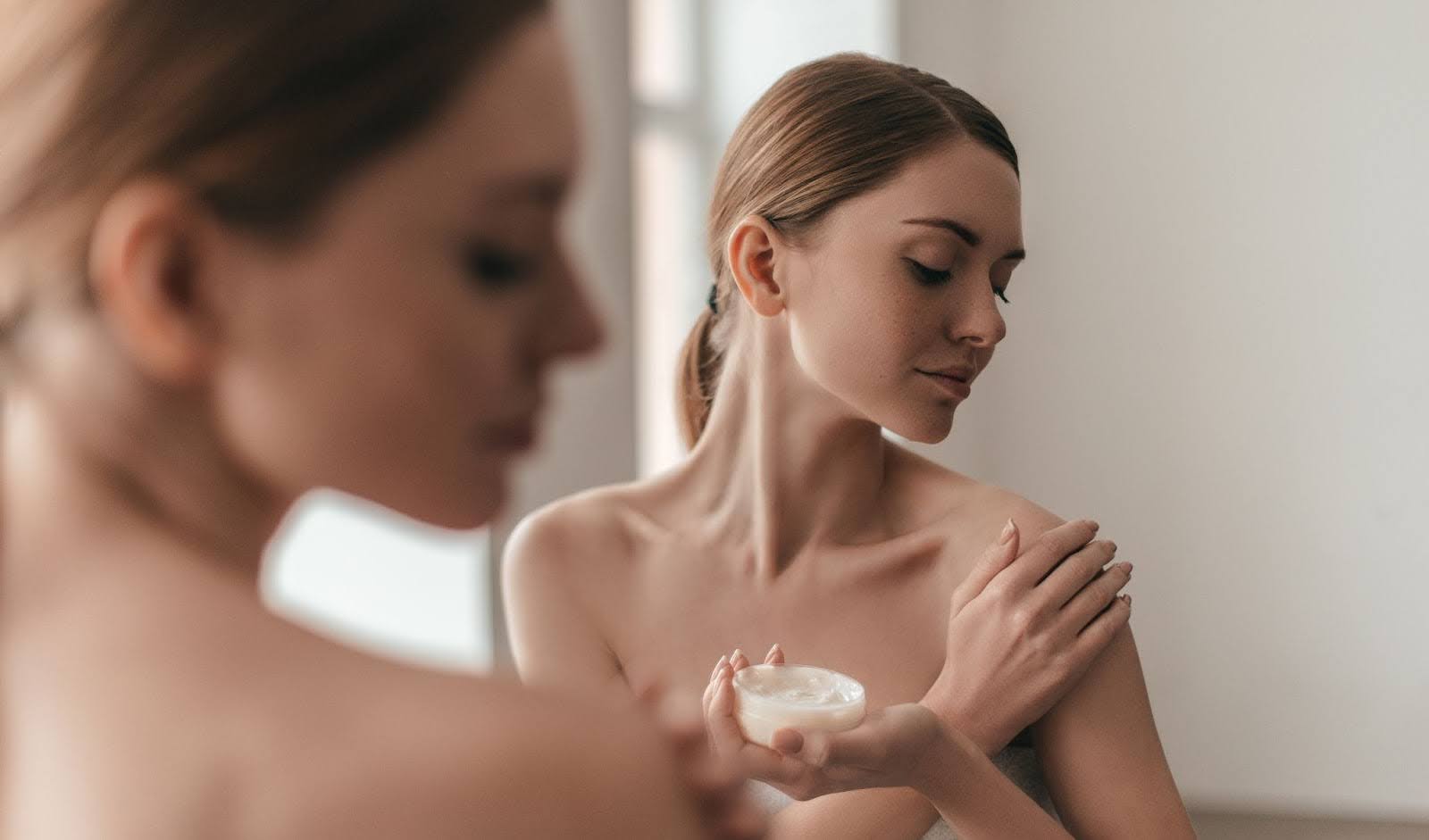
Body Care Beyond the Face: Extend Your Glow All Over
Your face has a dedicated skincare routine. But what about your body? Your arms, legs, chest, and hands deserve just as much attention. Body skin is your largest organ, and caring for it transforms how you look and feel. The Korean beauty approach shows us that skincare doesn't end at the jawline.
Let's build a body care routine that actually works.
Korean Body Care Routine: The Step-by-Step Approach
Korean body care follows the same philosophy as K-beauty facial routines. Gentle exfoliation, layered hydration, and nourishing ingredients work together to create radiant skin from neck to toe.
Step 1: Cleanse with purpose
Start with a gentle, pH-balanced body wash that cleanses without stripping your skin's natural moisture. Korean body washes often contain hydrating ingredients like hyaluronic acid, ceramides, or rice extract.
Step 2: Exfoliate regularly
Exfoliation removes dead skin cells, unclogs pores, and helps your body lotions absorb better. Do this 2-3 times per week, adjusting based on your skin's response.
Step 3: Hydrate immediately
Apply body lotion while your skin is still slightly damp from the shower. This helps lock in moisture and improve absorption.
Step 4: Layer nourishment
Add a body oil or serum over your lotion for extra hydration. Oils like rosehip and jojoba sink in and provide lasting moisture.
Step 5: Protect with SPF
Your body needs sun protection just like your face. Arms and legs are constantly exposed to UV rays, which cause dark spots and premature aging.
Korean Body Scrubs: The Exfoliation Step
Korean exfoliants are gentler than many Western options, using fine particles or chemical exfoliants that work with your skin rather than against it.
For physical exfoliation, Rice bran scrubs offer gentle buffing. Sugar scrubs mixed with nourishing oils provide moisture while exfoliating. Mugwort-based wash-off packs like this clarifying option combine gentle exfoliation with soothing ingredients.
For chemical exfoliation: Body lotions with lactic acid or glycolic acid work continuously while hydrating. Enzyme-based exfoliators suit sensitive skin.
The key is listening to your body. Over-exfoliation damages your skin barrier, so adjust frequency based on what your skin needs.
Korean Body Lotions: The Hydration Foundation
After cleansing and exfoliating, lock in moisture immediately. Korean body lotions are lightweight yet deeply nourishing, featuring ingredients like snail mucin, propolis, shea butter, and botanicals.
What makes Korean body lotions different:
- They absorb quickly without leaving a greasy residue.
- They focus on hydration and skin repair simultaneously.
- They often include brightening or soothing ingredients beyond basic moisture.
Popular options include moisturizing lotions like CeraVe formulations for daily hydration and Lemon Verbena Body Lotion for fragrance-free, deeply nourishing care.
Key ingredients to look for:
- Snail mucin: Repairs and hydrates damaged skin
- Centella asiatica: Soothes irritation
- Niacinamide: Brightens and evens skin tone
- Hyaluronic acid: Attracts and retains moisture
- Ceramides: Strengthens your skin barrier
Apply immediately after showering while your skin is damp. Focus on areas prone to dryness: elbows, knees, hands, and feet.
Body Skincare Tips For Indian Skin: Adapting to Your Climate
India's diverse climate means your body care routine needs adjustments depending on where you live and the season.
For humid climates (Mumbai, Chennai, coastal areas):
- Use lightweight, gel-based body lotions.
- Exfoliate more frequently to prevent clogged pores.
- Choose non-greasy sunscreens
For dry climates (Delhi, Rajasthan, northern areas):
- Layer rich body creams or butters
- Add a body oil like Rosemary Oil for extra hydration.
- Use a humidifier indoors during winter.
For monsoon season:
- Switch to quick-absorbing formulas.
- Exfoliate to prevent fungal issues.
- Keep skin dry and clean.
For summer heat:
- Use cooling ingredients like aloe vera and cucumber.
- Apply body lotion with niacinamide for oil control.
- Exfoliate regularly to prevent body acne.
For specific areas: Hands and feet need extra attention. Hand creams like the Shea Butter option work beautifully for constant exposure. Layer a hydrating mist before your lotion for added hydration during dry seasons.
Boost Your Routine with Body Oils
After your lotion, layer body oil for extra nourishment. Oils sink into your skin and provide lasting hydration without the heaviness of body butters. Rosemary oil offers both hydration and a pleasant scent.
Korean body oils are often infused with vitamin E, antioxidants, and brightening ingredients. They work especially well on very dry skin or during the winter months.
Quick Body Care Habits for Busy Days
Small, consistent habits make a big difference:
- Keep body lotion by your bedside and apply before sleep.
- Use a shower oil instead of body wash for instant hydration.
- Apply SPF to your hands every morning.
- Exfoliate with a gentle scrub once a week.
- Massage lotion in circular motions to boost circulation
Explore More Options
Ready to build your body care routine? Browse Kindlife's full body care collection featuring 200+ products suited to every skin type and concern. From body lotions and scrubs to oils and hand creams, you'll find Korean and Indian options curated specifically for the Indian climate and skin needs.
Join the community to see what other users recommend for their body care routines. Real reviews from people with similar skin help you choose confidently.
FAQs
What is the best body lotion for dry skin in India?
Look for Korean body lotions with ceramides, shea butter, or hyaluronic acid. Rich, creamy formulas work best for dry skin. Apply immediately after showering while your skin is damp to lock in moisture. Brands like COSRX, Illiyoon, and TONYMOLY offer deeply hydrating options available in India.
How often should I exfoliate my body?
Exfoliate your body 2-3 times per week using a gentle scrub or chemical exfoliant. Over-exfoliating can damage your skin barrier and cause irritation. Adjust frequency based on your skin type: oily skin may tolerate more frequent exfoliation, while sensitive skin may need less.
Can I use facial skincare products on my body?
Yes, but it's not cost-effective. Facial products are formulated for delicate facial skin and come in small sizes. Body skin is thicker and covers more area, so body-specific products are more practical. However, leftover serums or moisturizers can be used on your neck, chest, and hands.
What is a Korean-Italian towel?
A Korean Italian towel is a textured exfoliating cloth used in Korean bathhouses. Soak in warm water for 10-15 minutes to soften your skin, then scrub in long strokes with the towel. It removes dead skin, improves circulation, and leaves skin incredibly smooth. Use once a week for best results.
Do I really need body sunscreen in India?
Absolutely. UV rays damage body's skin just like facial skin, causing dark spots, wrinkles, and increased cancer risk. Apply SPF 30 or higher to exposed areas daily, especially your arms, legs, chest, and hands. Reapply every two hours if you're outdoors for extended periods.
How can I brighten uneven body skin tone?
Use body lotions with niacinamide, vitamin C, or alpha arbutin to brighten skin over time. Exfoliate regularly to remove dead cells and reveal fresh skin. Protect your skin with daily sunscreen to prevent further darkening. Consistency is key for visible results, usually within 4-6 weeks.
What's the difference between body lotion and body butter?
Body lotion is lightweight and absorbs quickly, ideal for daily use and normal to oily skin. Body butter is richer and heavier, perfect for very dry skin or nighttime use. Choose based on your skin's needs and the climate you live in. You can also layer both for extra hydration.
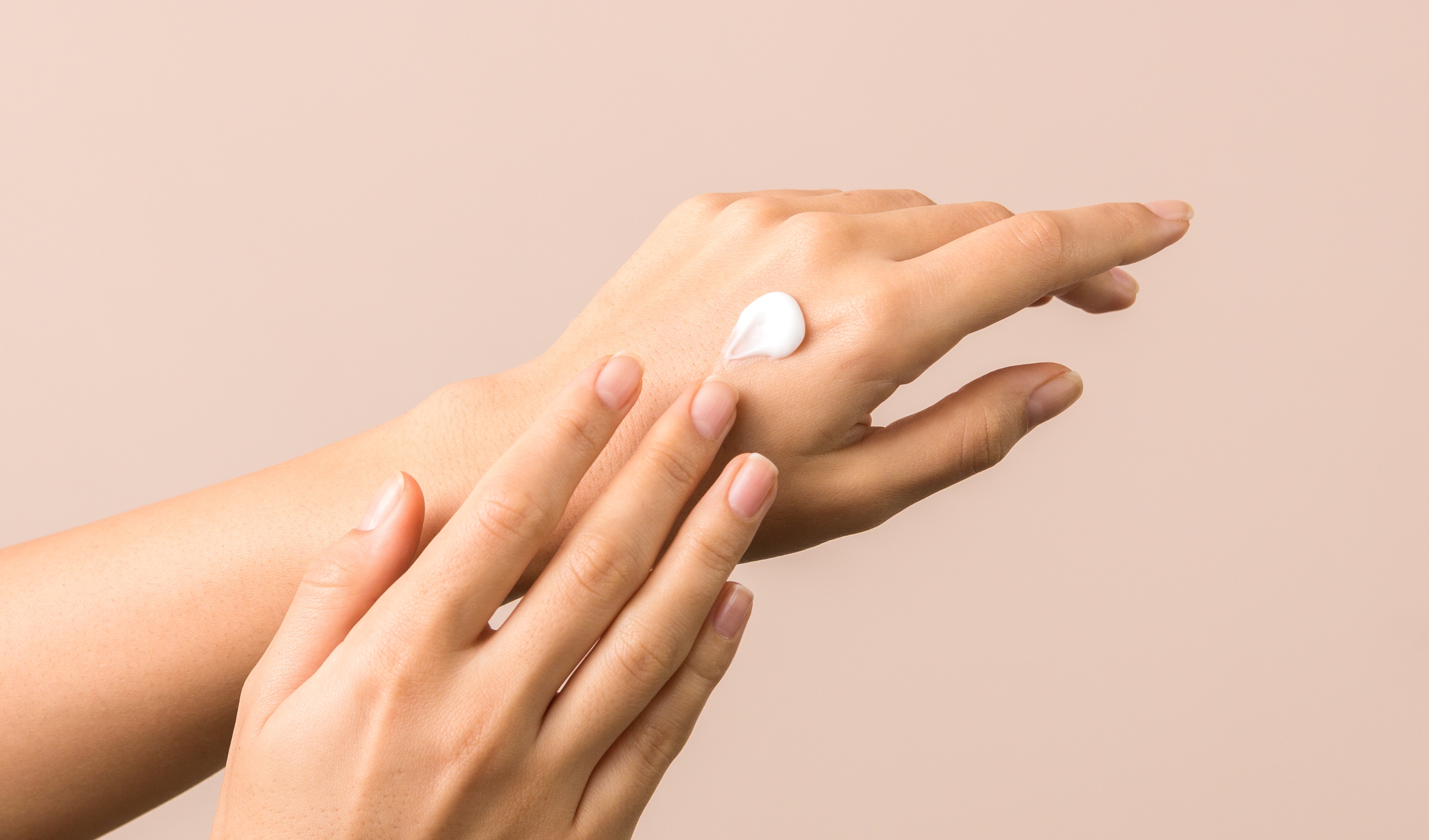
How to Choose the Right Moisturiser for Your Skin Type
Your skin is unique, and choosing the wrong moisturiser can lead to breakouts, dryness, or that uncomfortable, greasy feeling. The right moisturiser balances hydration without clogging pores or leaving residue, working with your skin's natural needs rather than against them.
Let's find the one that's perfect for you.
Understanding Your Skin Type First
Before you can pick the best moisturiser, you need to know your skin type. Wash your face with a gentle cleanser, pat it dry, and wait an hour without applying any products. Check your T-zone (forehead, nose, and chin) and cheeks for these signs.
Oily skin
Feels greasy across your entire face, especially the T-zone. Pores appear larger, and you might notice shine within an hour of cleansing.
Dry skin
Feels tight, rough, or flaky. Fine lines may appear more visible, and your skin might look dull.
Combination skin
Shows different characteristics in different zones. Your T-zone produces excess oil, while your cheeks feel normal or dry.
Sensitive skin
Reacts easily to products, weather, or stress. You might experience redness, itching, or stinging with certain ingredients.
Best Moisturiser for Oily Skin
Oily skin needs hydration without added heaviness. Look for lightweight, oil-free formulas that won't clog your pores or trigger breakouts.
What your moisturiser should contain:
- Hyaluronic acid for lightweight hydration
- Niacinamide to regulate sebum production.
- Gel or water-based textures
- Non-comedogenic formulas
Avoid heavy creams, mineral oils, and comedogenic ingredients like coconut oil. Korean moisturiser brands excel at creating gel formulations perfect for humid Indian climates. Isntree Onion Newpair Gel Cream delivers hydration without heaviness. Green Grape Pore Control Cream offers oil-control while hydrating.
Important: Apply moisturiser twice daily, even if your skin feels oily. Skipping moisturiser signals your skin to produce more oil to compensate for dehydration.
Moisturiser for Dry Skin: Nourishing Your Barrier
Dry skin craves rich, nourishing formulas that lock in moisture and repair the skin barrier. Indian weather varies dramatically between regions and seasons, so your moisturiser might need adjusting.
Essential ingredients for dry skin:
- Ceramides to restore the skin barrier
- Glycerin for deep hydration
- Hyaluronic acid to attract moisture
- Squalane or natural oils for lasting nourishment
Choose cream or balm textures over gels. Layer your moisturiser over a hydrating serum for extra benefits during harsh winters or in air-conditioned environments.
Options to explore: Midnight Blue Calming Cream provides soothing hydration. Snow White Cream offers intensive moisture with brightening benefits. No.2 Cica Ceramide Repair Cream focuses on barrier restoration.
These formulas work beautifully during the winter months or for those dealing with environmental stress on their skin.
Skin Type Based Moisturiser Guide: Balancing Combination Skin
Combination skin requires balance. You want to hydrate dry areas without making oily zones greasier.
Your best approach:
- Lightweight gel-cream hybrids that adjust to different zones
- Mattifying ingredients like niacinamide for the T-zone
- Hydrating components like hyaluronic acid for dry cheeks
- Non-comedogenic formulas
Some people use two different moisturisers, applying a lighter formula on the T-zone and a richer cream on dry areas. However, a good hybrid product saves time and works just as well.
Korean moisturiser brands often create these balanced formulas. Cera Heart My Type Duo Cream is specifically designed to address both oily and dry zones simultaneously.
Moisturising Sensitive Skin: Less Is More
Sensitive skin needs gentle, minimal formulas free from common irritants. The fewer ingredients, the better.
Avoid these common triggers:
- Fragrances (synthetic and natural)
- Alcohol denat or SD alcohol
- Essential oils
- Harsh preservatives
- Dyes and colorants
Look for soothing ingredients:
- Centella asiatica (cica) to calm inflammation.
- Panthenol for healing
- Allantoin to reduce redness
- Colloidal oatmeal for relief
No.3 Velvet Beauty Cream provides gentle nourishment without irritants. No.2 Cica Ceramide Repair Cream is another option focused on sensitive skin support.
Always patch test: Apply a new moisturiser on your inner arm or behind your ear for 24 hours before applying it to your face.
Korean Moisturiser Brands: Why They Work for Indian Skin
Korean beauty brands have mastered lightweight, effective formulas that work beautifully for Indian skin types dealing with heat, pollution, and varying climates.
Why Korean moisturisers excel:
- Lightweight textures that don't feel heavy in humidity
- Advanced hydration technology that penetrates effectively
- Minimal ingredient lists that focus on quality
- Layering-friendly formulas that work well with serums and essences
- Adapted for Asian skin tones and climates
Explore Kindlife's moisturiser collection to find options suited to your specific skin type. Citrus Brightening Cream combines moisturisation with brightening benefits.
Texture Matters
The texture of your moisturiser affects how it feels and functions on your skin.
Gel moisturisers: Absorb quickly and suit oily or combination skin. Perfect for hot, humid weather.
Lotions: Offer light to medium hydration. Good for normal to slightly dry skin.
Creams: Provide rich moisture for dry skin or cold weather. They form a protective barrier.
Balms: Deliver intensive hydration for very dry patches or harsh conditions. Use sparingly as a final layer.
When to Apply and How It Matters
Timing impacts how well your skin absorbs moisturiser. Apply to damp skin immediately after cleansing or toning, within 60 seconds. Damp skin absorbs products better than completely dry skin.
Morning routine: Cleanser → Toner → Serum → Moisturiser → Sunscreen
Night routine: Cleanser → Toner → Serum → Moisturiser
During summer or in humid regions, you might prefer a lighter moisturiser in the morning and save richer formulas for nighttime.
Signs You've Chosen Wrong
Your skin tells you when something isn't working. Watch for breakouts or clogged pores (too heavy), persistent tightness or flaking (not hydrating enough), lasting greasiness (too rich), stinging or redness (irritating ingredients), or pilling under makeup (incompatible formulas).
Give new products 2-3 weeks to adjust, unless you experience immediate irritation. Skin needs time to adapt to new ingredients.
FAQs
How often should I change my moisturiser?
Change your moisturiser seasonally or when your skin's needs shift. You might need something richer in winter and lighter in summer. Otherwise, stick with what works until you notice your skin changing.
Can I use the same moisturiser morning and night?
Yes, if it works for both routines. Many people prefer lighter formulas during the day and richer overnight treatments.
Do I need moisturiser if I have oily skin?
Absolutely. Oily skin still needs hydration. Skipping moisturiser can trigger your skin to produce even more oil to compensate. Choose oil-free, lightweight formulas designed for oily skin types.
What's the difference between moisturiser and face cream?
These terms are generally interchangeable. Both hydrate skin. Some brands use "cream" for richer textures and "moisturiser" for lighter ones.
Should I apply moisturiser before or after sunscreen?
Moisturiser goes on first, then sunscreen as your final step. Sunscreen needs to form an even protective layer on top, so it should always come last.
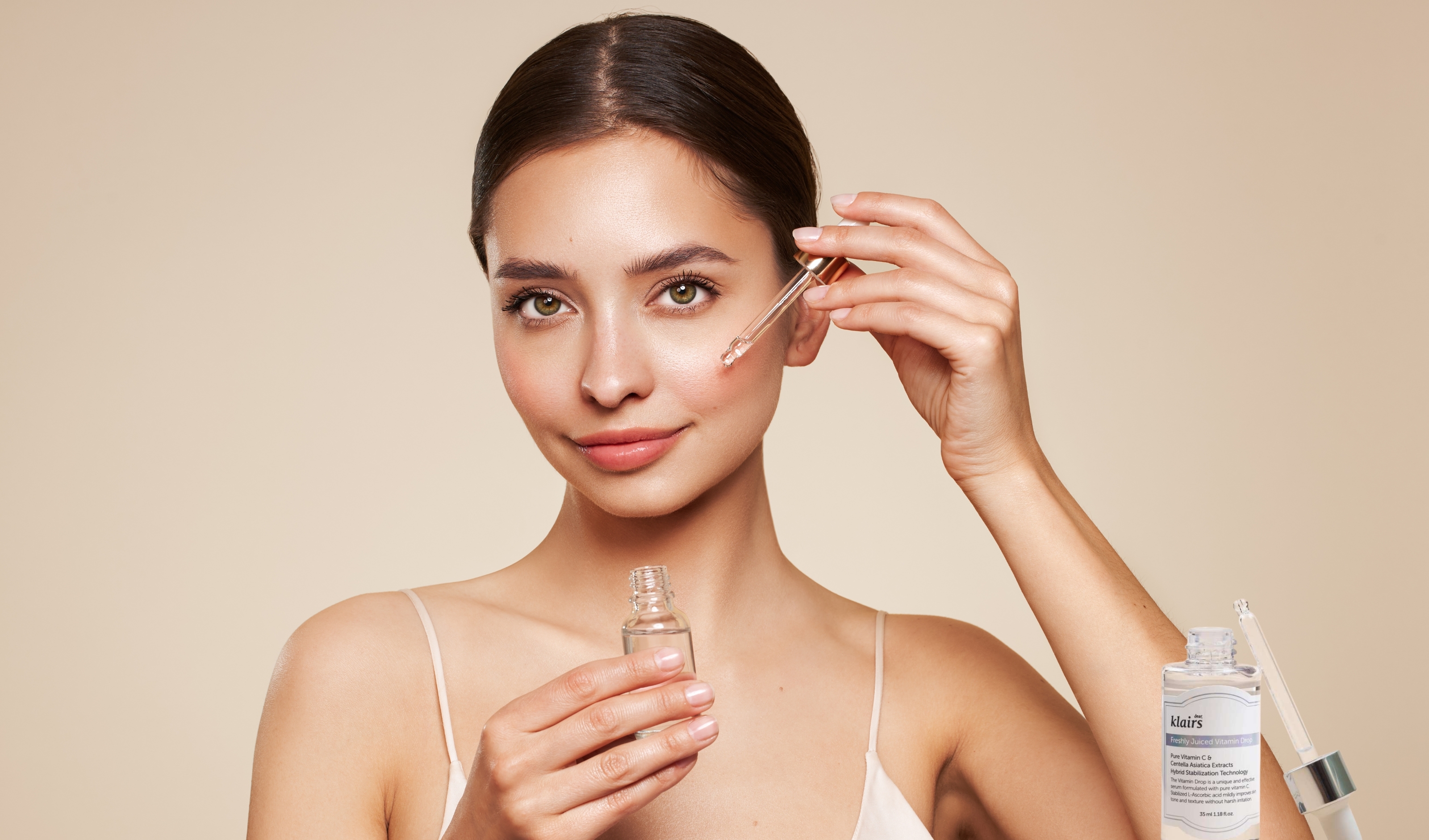
Best Face Serum for Glowing Skin: Top Picks for 2026
Your moisturiser alone isn't cutting it anymore. You've been consistent with cleansing, toning, and moisturising, but that lit-from-within glow still feels out of reach. This is where a good face serum for glowing skin changes everything.
Serums are concentrated formulas packed with active ingredients that penetrate deeper than your regular moisturiser. They target specific concerns like dullness, dehydration, uneven texture, and excess oil. Whether you're dealing with a shiny T-zone or lacklustre skin that needs a wake-up call, the right serum can transform your routine.
Why Your Skin Needs a Serum
Think of serums as the hardworking middle step between toning and moisturising. Their molecules are smaller, which means they absorb faster and deliver actives directly where your skin needs them most.
According to Allied Market Research, the global face serum market is projected to reach USD 5.8 billion by 2027. This growth reflects what skincare lovers already know: serums deliver visible results that other products simply can't match.
The best face serum for women addresses multiple concerns in one lightweight formula. You get hydration without heaviness, brightening without irritation, and balance without stripping your skin.
Key Ingredients for Glowing Skin
Not all serums work the same way. The ingredients determine what your serum can actually do for your skin.
Vitamin C
Vitamin C is the gold standard for brightening. It fights free radical damage, fades dark spots, and boosts collagen production. For Indian skin prone to hyperpigmentation, a vitamin C serum can make a noticeable difference in evening out your tone. The Klairs Freshly Juiced Vitamin Drop offers a gentle 5% concentration that works well even for sensitive skin.
Hyaluronic Acid
Hyaluronic acid holds up to 1000 times its weight in water. It plumps your skin, smooths fine lines, and creates that dewy finish everyone wants. Look for serums with multiple molecular weights for hydration at every level.
Niacinamide
Niacinamide regulates oil production, minimises pores, and strengthens your skin barrier. If you need a face serum for oily skin that also brightens, niacinamide should be at the top of your list. The Dark Spot Correcting Glow Serum combines brightening actives that target pigmentation while balancing sebum.
Snail Mucin and Centella
K-beauty favourites like snail mucin and centella asiatica repair and soothe while hydrating. The COSRX Advanced Snail 96 Mucin Power Essence is a cult classic that leaves skin bouncy and radiant. For calming irritated skin while brightening, the Skin1004 Madagascar Centella Tone Brightening Capsule Ampoule delivers on both fronts.
Best Face Serums by Skin Type
Choosing the right serum depends on what your skin actually needs.
For Oily Skin
A face serum for oily skin should hydrate without adding greasiness. Lightweight, water-based formulas absorb quickly and won't clog pores. Look for niacinamide, green tea, or low-molecular-weight hyaluronic acid. Avoid heavy oils and thick textures that sit on the surface.
For Dry Skin
Dry skin needs serums with intense hydration. Hyaluronic acid, squalane, and snail mucin work beautifully. Layer your serum while skin is still damp from toner to lock in maximum moisture.
For Combination Skin
Combination skin benefits from balancing serums that hydrate dry areas without overwhelming oily zones. Apply more product on your cheeks and less on your T-zone. Serums with centella or green tea address both concerns effectively.
For Dull Skin
If radiance is your goal, vitamin C and niacinamide are your best friends. These ingredients brighten, even out your tone, and give you the face serum for the glowing skin result you're after.
How to Use Face Serum Correctly
Application technique matters as much as the product itself. Here's how to use face serum for maximum results.
After cleansing and toning, apply your serum to slightly damp skin. Damp skin absorbs actives better than dry skin. Use two to three drops and warm the product between your fingertips before pressing it gently into your face. Pat, don't rub. Rubbing can cause unnecessary friction and reduce absorption.
Wait about 30 seconds to a minute before applying your moisturiser. This gives the serum time to absorb properly. In the morning, always follow with sunscreen since many serum actives increase sun sensitivity.
For the best results, use your serum consistently. Most people notice improved hydration within days, but concerns like dark spots or texture take four to eight weeks of regular use.
Building Your Serum Routine
You can use different serums for morning and evening. In the morning, a vitamin C face serum protects against environmental damage and brightens your complexion throughout the day. At night, switch to hydrating or repairing serums like hyaluronic acid or snail mucin that support your skin's overnight renewal process.
Avoid layering too many activities at once. If you're using vitamin C in the morning, save your niacinamide or retinol for nighttime. Mixing certain ingredients can reduce their effectiveness or irritate your skin.
Kind Choices for Your Serum Routine
At Kindlife, we bring you the best face serum for women from trusted Korean and global brands. Our curated serum collection features formulas that address every skin concern, from oily T-zones to stubborn dark spots. Whether you need a lightweight face serum for oily skin or something richer for dehydrated cheeks, you'll find options that work for Indian weather and skin types.
Find your glow and let your skin do the talking.
FAQs
What is the best face serum for beginners?
Start with a hydrating serum containing hyaluronic acid. It works for all skin types, rarely causes irritation, and delivers visible results quickly. Once your skin adjusts, you can add targeted serums for specific concerns.
Can I use face serum every day?
Yes, most serums are gentle enough for daily use. Hydrating serums can be used morning and night. If using active serums with AHA, BHA, or retinol, start with alternate days and build up frequency as your skin tolerates.
Should I apply serum before or after moisturiser?
- Always apply serum before moisturiser
- Serums have smaller molecules that need direct contact with the skin
- Moisturiser seals everything in and prevents evaporation
How long does it take to see results from face serum?
- Hydration improves within a few days
- Brightening and dark spot fading takes four to eight weeks
- Consistency is key to visible results
Can I mix different serums?
Some combinations work well, like hyaluronic acid with niacinamide. However, avoid mixing vitamin C with retinol or AHA/BHA in the same routine. Use them at different times of day instead.
Comments
No posts found