


 All orders






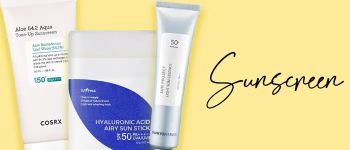

Summer Sunscreen Essentials: How to Keep Your Skin Protected and Fresh

Summer in India is relentless. The sun beats down harder, UV rays intensify, and your skin pays the price. Finding the best sunscreen for summer isn't optional. It's the single most important step in your warm-weather skincare routine.
The importance of sunscreen in summer goes beyond preventing sunburn. UV exposure causes hyperpigmentation, premature aging, and long-term skin damage that shows up years later. Indian skin is particularly prone to tanning and dark spots, making proper protection essential from April through September.
Why Summer Sun Is More Dangerous
UV radiation peaks during summer months. According to the Indian Meteorological Department, UV index levels in most Indian cities reach "very high" to "extreme" categories between March and June. This means your skin faces significantly more damage during these months than in winter.
The angle of the sun matters too. In summer, the sun is more directly overhead, so UV rays travel through less atmosphere before reaching your skin. Combined with longer daylight hours, your total UV exposure multiplies dramatically.
Humidity adds another layer of challenge. Sweat dilutes and removes sunscreen from your skin faster. Heavy formulas feel unbearable in heat, tempting you to skip protection entirely. The best sunscreen for summer in India balances strong protection with comfortable, lightweight textures.
Choosing the Right SPF Level
SPF measures protection against UVB rays, the ones that cause sunburn. Higher numbers offer more protection, but the differences become marginal after a certain point.
SPF 30 blocks approximately 97% of UVB rays. SPF 50 blocks about 98%. The extra 1% matters for prolonged outdoor exposure, but proper application and reapplication matter more than the specific number on the bottle.
For Indian summers, SPF 30 to 50 provides excellent protection for daily activities. If you're spending extended time outdoors, at the beach, or doing sports, SPF 50 or higher with water resistance becomes more important.
Look for broad-spectrum protection. This means the formula guards against both UVA rays, which cause aging and pigmentation, and UVB rays, which cause burning. Indian skin's tendency toward hyperpigmentation makes UVA protection particularly important.
Mineral vs Chemical: What Works Better in Heat
The sunscreen for summer debate often comes down to formula type. Both mineral and chemical sunscreens protect effectively, but they perform differently in hot, humid conditions.
Chemical sunscreens absorb UV rays and convert them to heat. They tend to feel lighter and blend invisibly. However, some people find they sting in sweaty conditions, and certain chemical filters break down faster in intense sun.
Mineral sunscreens use zinc oxide or titanium dioxide to physically reflect UV rays. They're more stable in heat and work immediately upon application. Modern formulations have overcome the old problem of white cast, offering sheer finishes even on deeper skin tones.
For sensitive skin prone to summer breakouts, mineral options often work better. For those prioritizing invisible application under makeup, chemical or hybrid formulas might suit better.
Application Tips for Maximum Protection
The best sunscreen for summer only works if you apply it correctly. Most people use far too little, reducing protection by half or more.
For your face, use about half a teaspoon. Cover your entire face, including ears, hairline, and the back of your neck. Don't forget your lips with an SPF balm. Apply 15 to 20 minutes before sun exposure to allow chemical filters to activate. Mineral sunscreens work immediately.
Reapplication is where most people fail. In hot, humid conditions, reapply every two hours, or immediately after swimming or heavy sweating. Keep a travel-size sunscreen in your bag for midday touch-ups.
Building a Summer Sun Protection Routine
Sunscreen works best as part of a complete routine. Start with a gentle cleanser that removes sweat and grime without over-drying. The COSRX Low pH Good Morning Gel Cleanser cleanses effectively while maintaining skin balance.
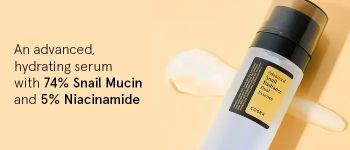
Follow with a lightweight toner and hydrating serum. The COSRX Advanced Snail 96 Mucin Power Essence provides moisture without heaviness, creating a smooth base for sunscreen.
Apply a lightweight moisturizer if your skin needs it, then finish with sunscreen as your final skincare step. Wait a few minutes before applying makeup to let the sunscreen set properly.
Common Summer Sunscreen Mistakes
Skipping sunscreen on cloudy days is a major mistake. Up to 80% of UV rays penetrate clouds. Overcast summer days can actually be more dangerous because you stay outside longer without feeling the heat warning.
Using last year's sunscreen reduces protection. Active ingredients degrade over time, especially after exposure to heat. Check expiration dates and replace bottles that have been sitting in hot cars or beach bags.
Relying solely on makeup with SPF doesn't provide adequate protection. The amount of foundation or powder you'd need to apply for proper SPF coverage would be unrealistic. Use a dedicated sunscreen underneath.
Kind Choices for Summer Protection
At Kindlife, we bring you sunscreen-ready skincare that preps your skin for comfortable summer protection. Our curated collection features lightweight serums, gentle cleansers, and hydrating formulas from trusted Korean and global brands.
Build a summer routine that makes sun protection effortless.
FAQs
Why is sunscreen essential during summer?
UV radiation peaks during summer months, causing more damage in shorter exposure times. Sunscreen prevents sunburn, hyperpigmentation, premature aging, and long-term skin concerns that Indian skin is particularly prone to.
What SPF is best for Indian summer weather?
SPF 30 to 50 with broad-spectrum protection works well for most daily activities. For extended outdoor exposure, beach days, or outdoor sports, choose SPF 50 or higher with water resistance.
How often should you reapply sunscreen in hot and humid conditions?
- Reapply every two hours during continuous sun exposure
- Reapply immediately after swimming, sweating heavily, or towelling off
- Set phone reminders to maintain consistent protection
What is the difference between SPF 30 and SPF 50?
- SPF 30 blocks approximately 97% of UVB rays
- SPF 50 blocks approximately 98% of UVB rays
- Proper application and reapplication matter more than the specific SPF number
Should you use sunscreen indoors or on cloudy days?
Yes. UV rays penetrate windows and clouds. Up to 80% of UV radiation reaches your skin on cloudy days. If you sit near windows or spend time driving, indoor sunscreen use prevents cumulative damage.
Can sunscreen prevent tanning and pigmentation?
Sunscreen significantly reduces tanning and prevents new pigmentation from forming. For existing dark spots, combine sunscreen with brightening ingredients like vitamin C. Consistent protection is key to preventing hyperpigmentation that Indian skin commonly experiences.
-
 Free shipping on
orders above ₹699 -
 5 days
easy returns -
 100% authentic,
direct sourcing -
 2M+ units sold
Have you been kind to yourself today?
Download now, we App-solutely recommend it


Keep up with kindlife
Whatsapp us on +918130287724 to get in touch. Reach out to us from 10AM - 6PM (Mon-Sat), we take a break on weekends (hi boss!)
© 2025 AlphaCMA Private LIMITED. All Rights Reserved.


