


 All orders







How to Choose the Right Moisturiser for Your Skin Type
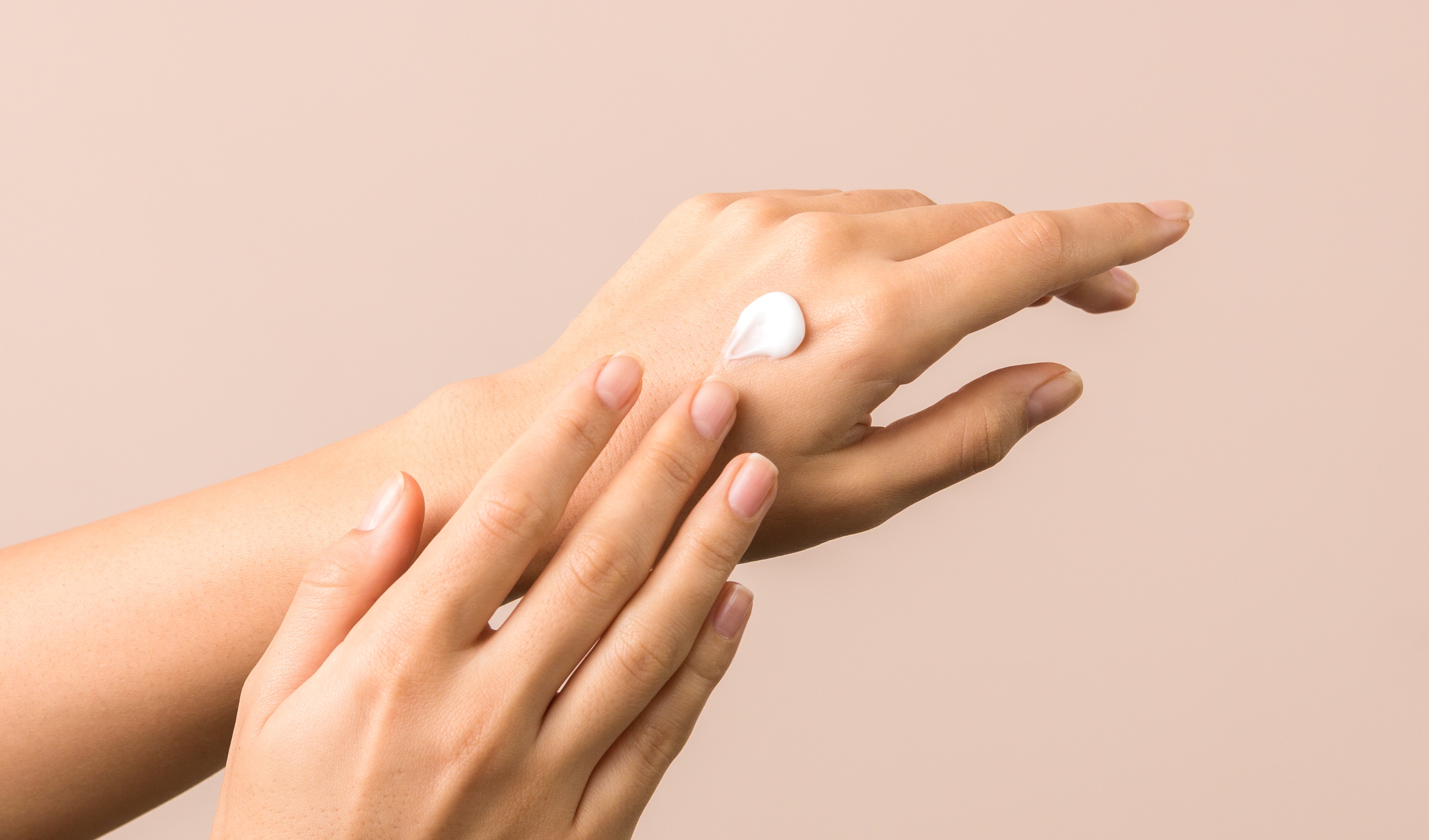
Your skin is unique, and choosing the wrong moisturiser can lead to breakouts, dryness, or that uncomfortable, greasy feeling. The right moisturiser balances hydration without clogging pores or leaving residue, working with your skin's natural needs rather than against them.
Let's find the one that's perfect for you.
Understanding Your Skin Type First
Before you can pick the best moisturiser, you need to know your skin type. Wash your face with a gentle cleanser, pat it dry, and wait an hour without applying any products. Check your T-zone (forehead, nose, and chin) and cheeks for these signs.
Oily skin
Feels greasy across your entire face, especially the T-zone. Pores appear larger, and you might notice shine within an hour of cleansing.
Dry skin
Feels tight, rough, or flaky. Fine lines may appear more visible, and your skin might look dull.
Combination skin
Shows different characteristics in different zones. Your T-zone produces excess oil, while your cheeks feel normal or dry.
Sensitive skin
Reacts easily to products, weather, or stress. You might experience redness, itching, or stinging with certain ingredients.
Best Moisturiser for Oily Skin
Oily skin needs hydration without added heaviness. Look for lightweight, oil-free formulas that won't clog your pores or trigger breakouts.
What your moisturiser should contain:
- Hyaluronic acid for lightweight hydration
- Niacinamide to regulate sebum production.
- Gel or water-based textures
- Non-comedogenic formulas
Avoid heavy creams, mineral oils, and comedogenic ingredients like coconut oil. Korean moisturiser brands excel at creating gel formulations perfect for humid Indian climates. Isntree Onion Newpair Gel Cream delivers hydration without heaviness. Green Grape Pore Control Cream offers oil-control while hydrating.
Important: Apply moisturiser twice daily, even if your skin feels oily. Skipping moisturiser signals your skin to produce more oil to compensate for dehydration.
Moisturiser for Dry Skin: Nourishing Your Barrier
Dry skin craves rich, nourishing formulas that lock in moisture and repair the skin barrier. Indian weather varies dramatically between regions and seasons, so your moisturiser might need adjusting.
Essential ingredients for dry skin:
- Ceramides to restore the skin barrier
- Glycerin for deep hydration
- Hyaluronic acid to attract moisture
- Squalane or natural oils for lasting nourishment
Choose cream or balm textures over gels. Layer your moisturiser over a hydrating serum for extra benefits during harsh winters or in air-conditioned environments.
Options to explore: Midnight Blue Calming Cream provides soothing hydration. Snow White Cream offers intensive moisture with brightening benefits. No.2 Cica Ceramide Repair Cream focuses on barrier restoration.
These formulas work beautifully during the winter months or for those dealing with environmental stress on their skin.
Skin Type Based Moisturiser Guide: Balancing Combination Skin
Combination skin requires balance. You want to hydrate dry areas without making oily zones greasier.
Your best approach:
- Lightweight gel-cream hybrids that adjust to different zones
- Mattifying ingredients like niacinamide for the T-zone
- Hydrating components like hyaluronic acid for dry cheeks
- Non-comedogenic formulas
Some people use two different moisturisers, applying a lighter formula on the T-zone and a richer cream on dry areas. However, a good hybrid product saves time and works just as well.
Korean moisturiser brands often create these balanced formulas. Cera Heart My Type Duo Cream is specifically designed to address both oily and dry zones simultaneously.
Moisturising Sensitive Skin: Less Is More
Sensitive skin needs gentle, minimal formulas free from common irritants. The fewer ingredients, the better.
Avoid these common triggers:
- Fragrances (synthetic and natural)
- Alcohol denat or SD alcohol
- Essential oils
- Harsh preservatives
- Dyes and colorants
Look for soothing ingredients:
- Centella asiatica (cica) to calm inflammation.
- Panthenol for healing
- Allantoin to reduce redness
- Colloidal oatmeal for relief
No.3 Velvet Beauty Cream provides gentle nourishment without irritants. No.2 Cica Ceramide Repair Cream is another option focused on sensitive skin support.
Always patch test: Apply a new moisturiser on your inner arm or behind your ear for 24 hours before applying it to your face.
Korean Moisturiser Brands: Why They Work for Indian Skin
Korean beauty brands have mastered lightweight, effective formulas that work beautifully for Indian skin types dealing with heat, pollution, and varying climates.
Why Korean moisturisers excel:
- Lightweight textures that don't feel heavy in humidity
- Advanced hydration technology that penetrates effectively
- Minimal ingredient lists that focus on quality
- Layering-friendly formulas that work well with serums and essences
- Adapted for Asian skin tones and climates
Explore Kindlife's moisturiser collection to find options suited to your specific skin type. Citrus Brightening Cream combines moisturisation with brightening benefits.
Texture Matters
The texture of your moisturiser affects how it feels and functions on your skin.
Gel moisturisers: Absorb quickly and suit oily or combination skin. Perfect for hot, humid weather.
Lotions: Offer light to medium hydration. Good for normal to slightly dry skin.
Creams: Provide rich moisture for dry skin or cold weather. They form a protective barrier.
Balms: Deliver intensive hydration for very dry patches or harsh conditions. Use sparingly as a final layer.
When to Apply and How It Matters
Timing impacts how well your skin absorbs moisturiser. Apply to damp skin immediately after cleansing or toning, within 60 seconds. Damp skin absorbs products better than completely dry skin.
Morning routine: Cleanser → Toner → Serum → Moisturiser → Sunscreen
Night routine: Cleanser → Toner → Serum → Moisturiser
During summer or in humid regions, you might prefer a lighter moisturiser in the morning and save richer formulas for nighttime.
Signs You've Chosen Wrong
Your skin tells you when something isn't working. Watch for breakouts or clogged pores (too heavy), persistent tightness or flaking (not hydrating enough), lasting greasiness (too rich), stinging or redness (irritating ingredients), or pilling under makeup (incompatible formulas).
Give new products 2-3 weeks to adjust, unless you experience immediate irritation. Skin needs time to adapt to new ingredients.
FAQs
How often should I change my moisturiser?
Change your moisturiser seasonally or when your skin's needs shift. You might need something richer in winter and lighter in summer. Otherwise, stick with what works until you notice your skin changing.
Can I use the same moisturiser morning and night?
Yes, if it works for both routines. Many people prefer lighter formulas during the day and richer overnight treatments.
Do I need moisturiser if I have oily skin?
Absolutely. Oily skin still needs hydration. Skipping moisturiser can trigger your skin to produce even more oil to compensate. Choose oil-free, lightweight formulas designed for oily skin types.
What's the difference between moisturiser and face cream?
These terms are generally interchangeable. Both hydrate skin. Some brands use "cream" for richer textures and "moisturiser" for lighter ones.
Should I apply moisturiser before or after sunscreen?
Moisturiser goes on first, then sunscreen as your final step. Sunscreen needs to form an even protective layer on top, so it should always come last.
-
 Free shipping on
orders above ₹699 -
 5 days
easy returns -
 100% authentic,
direct sourcing -
 2M+ units sold
Have you been kind to yourself today?
Download now, we App-solutely recommend it


Keep up with kindlife
Whatsapp us on +918130287724 to get in touch. Reach out to us from 10AM - 6PM (Mon-Sat), we take a break on weekends (hi boss!)
© 2025 AlphaCMA Private LIMITED. All Rights Reserved.


