


 All orders







5 Tips to Identify and Treat Dehydrated Skin
Your skin looks dull. It feels tight even after moisturising. Fine lines seem to have appeared overnight. You might think you have dry skin, but the real culprit could be dehydration. Learning how to treat dehydrated skin starts with understanding what's actually happening beneath the surface.
Dehydrated skin isn't a skin type. It's a temporary condition that can affect anyone, whether you're normally oily, dry, or somewhere in between. The good news? With the right approach, you can restore your skin's moisture balance within weeks.
Dehydrated vs Dry Skin: The Key Difference
Before diving into dehydrated skin treatment, let's clear up a common confusion. Dry skin lacks oil. Dehydrated skin lacks water. They're not the same thing, and treating one like the other won't fix your problem.
Dry skin is a skin type you're born with. It produces less sebum and often feels rough or flaky. Dehydrated skin is a condition caused by external factors like weather, diet, or harsh products. Your skin can be oily and dehydrated at the same time, which is why some people experience breakouts alongside tightness.
According to the International Journal of Cosmetic Science, skin hydration depends on the balance between water content and the skin's ability to retain that moisture. When this balance is disrupted, dehydration symptoms appear.
Signs of Dehydrated Skin
Recognising dehydrated skin symptoms early helps you address the issue before it worsens. Here's what to look for.
Dullness and Lack of Radiance
Hydrated skin reflects light beautifully. When water content drops, your complexion looks flat and tired. If your skin has lost its natural glow despite using brightening products, dehydration might be the underlying cause.
Increased Sensitivity
Dehydrated skin has a compromised moisture barrier. This makes it more reactive to products that normally don't cause issues. You might notice stinging, redness, or irritation from your routine.
Fine Lines and Tightness
Dehydration lines are different from wrinkles. They appear suddenly, often in clusters, and look like tiny crepe-like folds. Your skin also feels tight, especially after cleansing. These signs of dehydrated skin often disappear once hydration is restored.
Oiliness with Tightness
This confusing combination is a classic dehydration sign. When skin lacks water, it sometimes overproduces oil to compensate. You end up with a shiny T-zone that still feels uncomfortable.
How to Treat Dehydrated Skin: 5 Essential Tips
Restoring hydration requires adjustments to both your products and habits. Here's your dehydrated skin treatment plan.
Tip 1: Switch to a Gentle Cleanser
Harsh cleansers strip your skin of natural oils and water. For dehydrated skin, choose cream or gel cleansers that clean without that tight feeling. The Numbuzin No.2 Deep Clean Fresh Cream Cleanser removes impurities while maintaining moisture. The Round Lab 1025 Dokdo Cleanser uses mineral-rich deep sea water for gentle, hydrating cleansing.
Tip 2: Add a Hydrating Toner
Toners with hyaluronic acid or centella prep your skin to absorb everything that follows. Apply to damp skin and pat in gently. Layer two to three times using the Korean 7-skin method for intense hydration. This step alone can dramatically improve dehydrated skin symptoms.
Tip 3: Use Water-Based Serums
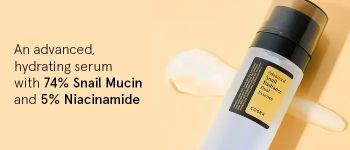
Serums deliver concentrated hydration directly to your skin. The COSRX Advanced Snail 96 Mucin Power Essence is exceptional for dehydrated skin. Snail mucin repairs the moisture barrier while providing deep hydration. For added soothing, the Skin1004 Madagascar Centella Tone Brightening Capsule Ampoule calms irritation while restoring water content.
Tip 4: Seal with the Right Moisturiser
Hydrating ingredients draw water into your skin, but you need an occlusive layer to keep it there. Choose moisturisers with ceramides, squalane, or shea butter that lock in all the hydration from your previous steps. Apply while your serum is still slightly tacky for best absorption.
Tip 5: Hydrate from Within
No amount of topical products can fix dehydration if you're not drinking enough water. Aim for at least eight glasses daily. Reduce caffeine and alcohol, which are dehydrating. Eat water-rich foods like cucumbers, watermelon, and oranges.
Ingredients That Restore Hydration
When shopping for dehydrated skin treatment products, look for these ingredients.
Hyaluronic acid holds up to 1000 times its weight in water. It plumps and hydrates without heaviness. The 6 Peptide Skin Booster Serum combines peptides with hydrating actives for multiple benefits.
Snail mucin repairs barrier damage while delivering moisture. Centella asiatica calms inflammation that often accompanies dehydration. Glycerin and squalane provide lasting hydration without clogging pores.
Avoid alcohol-heavy products, strong exfoliating acids, and harsh retinols until your skin recovers. These can worsen dehydration and delay healing.
How Long Does Recovery Take?
With consistent care, most people notice improvement within one to two weeks. Your skin should feel more comfortable and less tight. Full barrier repair and restored radiance typically take four to six weeks. Be patient and resist the urge to add too many new products at once.
Kind Choices for Hydrated Skin
At Kindlife, we understand that dehydrated skin needs gentle, effective solutions. Our curated skincare collection features hydrating toners, nourishing serums, and barrier-repairing formulas from trusted Korean and global brands.
Restore your skin's moisture balance and get your glow back.
FAQs
How to treat dehydrated skin?
Use gentle cleansers, layer hydrating toners, apply water-based serums like hyaluronic acid or snail mucin, seal with a moisturiser containing ceramides, and drink plenty of water throughout the day.
Can dehydration cause breakouts?
Yes. When skin lacks water, it often overproduces oil to compensate. This excess sebum can clog pores and lead to breakouts. Hydrating properly can actually help reduce acne in dehydrated skin.
What are the signs of dehydrated skin?
- Dullness, tightness, and increased sensitivity
- Fine lines that appear suddenly in clusters
- Oily yet uncomfortable skin, especially in the T-zone
How to do a skin pinch test for dehydration?
- Gently pinch the skin on your cheek or the back of your hand
- Release and observe how quickly it bounces back
- If it takes more than a second to return to normal, your skin may be dehydrated
What is the difference between hydrated and dehydrated skin?
Hydrated skin has adequate water content, feels plump, and reflects light well. Dehydrated skin lacks water, feels tight, looks dull, and may show fine lines even on young skin. Unlike dry skin, dehydration is temporary and treatable.
-
 Free shipping on
orders above ₹699 -
 5 days
easy returns -
 100% authentic,
direct sourcing -
 2M+ units sold
Have you been kind to yourself today?
Download now, we App-solutely recommend it


Keep up with kindlife
Whatsapp us on +918130287724 to get in touch. Reach out to us from 10AM - 6PM (Mon-Sat), we take a break on weekends (hi boss!)
© 2025 AlphaCMA Private LIMITED. All Rights Reserved.


