


 All orders








5 Tips to Improve Skin Elasticity and Prevent Sagging

Your skin doesn't bounce back like it used to. When you smile, the lines linger a little longer. Your jawline isn't as defined as you remember. These changes happen gradually, but one day you notice them all at once. The culprit? Loss of skin elasticity.
Skin elasticity is your skin's ability to stretch and snap back into place. It's what keeps your face looking firm and youthful. The good news is that while some elasticity loss is natural, there's plenty you can do to slow it down and even improve it.
What Causes Loss of Skin Elasticity?
Understanding why skin loses firmness helps you fight it more effectively. Elastin and collagen are the two proteins responsible for keeping skin tight and supple. As you age, your body produces less of both.
According to research published in Dermato Endocrinology, collagen production decreases by about 1% every year after age 20. By the time you reach 40, you've lost a significant amount. But age isn't the only factor.
Sun exposure breaks down existing collagen and elastin fibres. Pollution generates free radicals that damage skin cells. Poor nutrition, smoking, and chronic stress all accelerate loss of skin elasticity. Even repeated facial expressions contribute over time.
The result? Skin that sags, wrinkles, and loses that firm, bouncy quality you once took for granted.
Tip 1: Protect Your Skin from Sun Damage
UV radiation is the single biggest external cause of elasticity loss. It doesn't just cause sunburn. Even daily incidental exposure breaks down collagen and elastin fibres deep in your skin.
Wear broad-spectrum sunscreen every single day, even when it's cloudy or you're staying indoors. UV rays penetrate windows and reflect off surfaces. Choose SPF 30 or higher and reapply every two hours if you're outdoors.
This simple skin tightening tip prevents further damage while your other products work on repair. No serum or treatment can outpace the destruction caused by unprotected sun exposure.
Tip 2: Use Collagen-Boosting Serums
Topical products can stimulate your skin to produce more collagen and elastin. The right serums deliver actives that penetrate deep enough to make a difference.
Vitamin C
Vitamin C is essential for collagen synthesis. It also fights free radicals that break down existing fibres. The Klairs Freshly Juiced Vitamin Drop offers a gentle 5% concentration suitable for daily use.
Peptides
Peptides signal your skin to produce more collagen. They're gentle yet effective for improving firmness over time. The 6 Peptide Skin Booster Serum delivers multiple peptides that support skin elasticity and hydration.
Retinol
Retinol is the gold standard for skin-tightening treatment at home. It increases cell turnover and boosts collagen production. Start slowly to avoid irritation, using it two to three times weekly before building up.
Tip 3: Keep Your Skin Deeply Hydrated
Dehydrated skin loses elasticity faster. When your moisture barrier is compromised, skin becomes lax, and fine lines become more prominent. Proper hydration plumps your skin and helps it maintain structure.
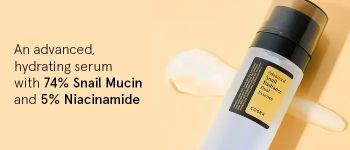
Layer hydrating products for best results. Start with a toner containing hyaluronic acid, follow with a hydrating serum, and seal with a moisturiser. The COSRX Advanced Snail 96 Mucin Power Essence repairs and hydrates simultaneously, supporting your skin's natural bounce.
Drink enough water throughout the day. Hydration from within is just as important as topical products.
Tip 4: Support Elasticity Through Nutrition
What you eat directly impacts your skin's ability to produce collagen and elastin. Certain nutrients are essential for maintaining firmness.
Vitamin C from citrus fruits, bell peppers, and berries supports collagen synthesis. Vitamin E from nuts and seeds protects existing fibres from oxidative damage. Omega-3 fatty acids from fish and flaxseeds keep skin supple and reduce inflammation.
Protein provides the amino acids your body needs to build collagen. Include lean meats, eggs, legumes, or plant-based proteins in your diet. Bone broth is particularly rich in collagen-supporting nutrients.
Limit sugar and processed foods. According to the Cleveland Clinic, excess sugar causes glycation, a process that stiffens collagen fibres and accelerates sagging.
Tip 5: Incorporate Facial Massage
Facial massage improves blood circulation, bringing oxygen and nutrients to skin cells. Regular massage can also tone facial muscles that support your skin structure.
Use gentle upward and outward motions when applying your skincare products. This technique prevents tugging while providing light stimulation. Gua sha tools and jade rollers can enhance the massage effect.
Consistency matters more than duration. A few minutes daily is more effective than occasional longer sessions. Make it part of your morning or evening routine.
Professional Skin Tightening Treatment Options
When topical products aren't enough, professional treatments can help. Radiofrequency, ultrasound, and laser treatments stimulate deep collagen production. These procedures are performed by dermatologists and typically require multiple sessions.
Professional skin tightening treatment works best as a complement to good skincare habits, not a replacement. Maintaining results requires continued sun protection and collagen-supporting products at home.
Kind Choices for Firmer Skin
At Kindlife, we bring you effective formulas that support skin elasticity. Our curated serum collection features peptides, vitamin C, and hydrating actives from trusted Korean and global brands. Build your firming routine with products that actually deliver results.
Give your skin the support it needs and embrace firmer, bouncier skin at any age.
FAQs
How to increase skin elasticity?
Use collagen-boosting ingredients like vitamin C, peptides, and retinol. Protect skin from sun damage daily. Stay hydrated, eat protein-rich foods, and incorporate facial massage into your routine for the best results.
What triggers collagen growth?
Vitamin C, retinol, and peptides stimulate collagen production when applied topically. Internally, adequate protein intake, vitamin C from food, and avoiding sugar support your body's natural collagen synthesis.
What vitamin increases skin elasticity?
- Vitamin C is essential for collagen synthesis and protection against free radicals
- Vitamin E protects existing collagen from oxidative damage
- Vitamin A (retinol) boosts cell turnover and collagen production
Is skin tightening safe?
- Professional treatments like radiofrequency and ultrasound are generally safe when performed by qualified practitioners
- Topical products with peptides and vitamin C are safe for home use
- Always consult a dermatologist before trying new procedures
What's the best age for skin tightening?
Prevention can start in your mid-20s with sunscreen and antioxidants. Active skin tightening treatments and ingredients become more relevant in your 30s when collagen loss accelerates. However, it's never too late to start, as skin responds to proper care at any age.
-
 Free shipping on
orders above ₹699 -
 5 days
easy returns -
 100% authentic,
direct sourcing -
 2M+ units sold
Have you been kind to yourself today?
Download now, we App-solutely recommend it


Keep up with kindlife
Whatsapp us on +918130287724 to get in touch. Reach out to us from 10AM - 6PM (Mon-Sat), we take a break on weekends (hi boss!)
© 2025 AlphaCMA Private LIMITED. All Rights Reserved.


