


 All orders






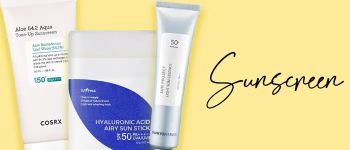

How to Choose Sunscreen for Sensitive Skin

Sunscreen is essential. But if your skin stings, turns red, or breaks out every time you apply it, protection feels like punishment. Finding the right sunscreen for sensitive skin isn't about skipping SPF. It's about choosing formulas that work with your skin, not against it.
Sensitive skin reacts to ingredients that others tolerate easily. Chemical filters, fragrances, and certain preservatives can trigger irritation. The solution is knowing what to look for and what to avoid. Let's walk through everything you need to know to find your perfect SPF for sensitive skin.
Why Sensitive Skin Needs Sunscreen
Some people with reactive skin avoid sunscreen because past experiences caused problems. This is a mistake. According to the American Academy of Dermatology, UV exposure damages all skin types and increases the risk of premature aging and skin concerns.
Sensitive skin is actually more vulnerable to sun damage. A compromised moisture barrier means less natural protection. UV rays worsen existing sensitivity and can trigger inflammation. Skipping sunscreen creates a cycle of damage and irritation that's harder to break.
The key is finding a face sunscreen for sensitive skin that protects without causing reactions. The right formula exists. You just need to know what to look for.
Mineral vs Chemical Sunscreen: What Works Better?
Sunscreens fall into two categories based on how they protect your skin.
Chemical Sunscreens
Chemical sunscreens absorb UV rays and convert them to heat. Common filters include oxybenzone, avobenzone, and octinoxate. These formulas tend to be lightweight and blend invisibly. However, the absorption process can irritate sensitive skin, causing stinging, redness, or allergic reactions.
Mineral Sunscreens
Mineral sunscreens, also called physical sunscreens, sit on top of your skin and reflect UV rays away. They use zinc oxide or titanium dioxide as active ingredients. These filters are gentler and less likely to cause reactions, making them the preferred choice for sunscreen for sensitive skin.
The trade-off? Mineral sunscreens can leave a white cast, especially on deeper skin tones. Modern formulations have improved significantly, with many offering sheer, lightweight finishes that work across all complexions.
Key Ingredients to Look For
When shopping for SPF for sensitive skin, check the ingredient list carefully.
Zinc oxide provides broad-spectrum protection and has natural soothing properties. It's the gentlest option for reactive skin. Titanium dioxide also works well, though it offers slightly less UVA protection than zinc oxide.
Calming ingredients like centella asiatica, aloe vera, and panthenol help counteract any potential irritation. Hyaluronic acid and glycerin add hydration without heaviness. Niacinamide in sunscreen formulas can actually strengthen your skin barrier while protecting from UV damage.
Ingredients to Avoid
Certain ingredients trigger reactions in sensitive skin more often than others.
Fragrances, both synthetic and natural essential oils, are common irritants. Even products labelled "natural" can contain sensitising botanical extracts. Alcohol in high concentrations can dry and irritate. Chemical UV filters like oxybenzone and octinoxate cause reactions in many sensitive skin types.
Avoid sunscreens with long ingredient lists. The more ingredients, the higher the chance of finding something your skin doesn't tolerate. Simple formulas with minimal ingredients work best.
Choosing the Right SPF Level
SPF measures protection against UVB rays. Higher numbers offer more protection, but the difference becomes marginal after SPF 30.
SPF 30 blocks about 97% of UVB rays. SPF 50 blocks about 98%. For daily use, SPF 30 to 50 provides excellent protection without unnecessary ingredients that higher SPF formulas sometimes require.
The concern that SPF 50 is "too strong" for sensitive skin is a myth. The SPF number indicates the protection level, not the strength or harshness. What matters for sensitive skin is the formula, not the SPF number. A well-formulated SPF 50 mineral sunscreen can be gentler than a poorly formulated SPF 30 chemical one.
How to Apply Sunscreen on Sensitive Skin
Application technique can reduce irritation risk.
Start with clean, well-moisturised skin. A good moisturiser creates a buffer between your skin and the sunscreen. Wait a minute for your skincare to absorb before applying SPF.
Use enough product. Most people underapply, reducing protection. For your face, aim for about half a teaspoon. Apply gently without rubbing aggressively. Pat and press rather than dragging across your skin.
If you're trying a new sunscreen for sensitive skin, patch test first. Apply a small amount behind your ear or on your inner arm for a few days before using it on your face.
Building a Gentle Sun Protection Routine
Sunscreen works best as part of a complete routine. Start with a gentle cleanser that doesn't strip your barrier. The Round Lab 1025 Dokdo Cleanser uses mineral-rich water for soothing, non-irritating cleansing.
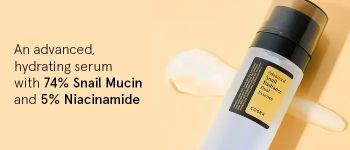
Follow with a calming toner and hydrating serum. The COSRX Advanced Snail 96 Mucin Power Essence repairs and strengthens your barrier, making skin more resilient to potential sunscreen irritation.
Kind Choices for Sensitive Skin
At Kindlife, we understand that sensitive skin needs gentle yet effective protection. Our curated skincare collection features soothing cleansers, barrier-repairing serums, and calming formulas from trusted Korean and global brands that prep your skin for comfortable sun protection.
Find products that work with your sensitive skin, not against it.
FAQs
Does sensitive skin need sunscreen?
Yes, absolutely. Sensitive skin is more vulnerable to UV damage because the moisture barrier is often compromised. Daily sunscreen prevents further sensitivity, premature aging, and hyperpigmentation that reactive skin is prone to.
Which type of sunscreen is good for sensitive skin?
Mineral sunscreens with zinc oxide or titanium dioxide are best. They sit on top of skin rather than absorbing, causing fewer reactions. Look for fragrance-free formulas with minimal ingredients.
Is SPF 50 too strong for sensitive skin?
- No, SPF level doesn't indicate harshness
- What matters is the formula, not the number
- A gentle SPF 50 mineral sunscreen can be less irritating than a harsh SPF 30 chemical one
How do I choose the right sunscreen?
- Choose mineral over chemical filters
- Look for zinc oxide or titanium dioxide as active ingredients
- Avoid fragrances, alcohol, and long ingredient lists
- Patch test before applying to your full face
How to prevent irritation from sunscreen?
Apply sunscreen over a hydrating moisturiser to create a buffer. Choose fragrance-free mineral formulas. Pat gently rather than rubbing. If irritation occurs, switch to a simpler formula with fewer ingredients.
-
 Free shipping on
orders above ₹699 -
 5 days
easy returns -
 100% authentic,
direct sourcing -
 2M+ units sold
Have you been kind to yourself today?
Download now, we App-solutely recommend it


Keep up with kindlife
Whatsapp us on +918130287724 to get in touch. Reach out to us from 10AM - 6PM (Mon-Sat), we take a break on weekends (hi boss!)
© 2025 AlphaCMA Private LIMITED. All Rights Reserved.


