


 All orders







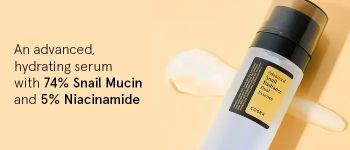

Winter Skincare Tips India: Protect Your Skin from Cold and Dry Air
Winter brings cozy weather but wreaks havoc on your skin. Cold outdoor air strips moisture while indoor heaters create dry conditions that leave skin tight, flaky, and irritated. The solution isn't complicated. You just need to adjust your routine with richer textures, layered hydration, and ingredients that lock moisture in.
Let's build a winter skincare routine that actually works.
Why Winter Damages Your Skin Barrier
Your skin barrier is made of lipids that seal in moisture and keep irritants out. Winter conditions deplete these lipids faster than your skin can produce them, creating microscopic cracks that let water escape. The result is that tight, uncomfortable feeling you get after washing your face or spending time outside.
Cold air combined with dry, heated indoor spaces creates the perfect storm for dehydration and sensitivity. When your skin loses water faster than it replaces it, the barrier weakens.
Signs your barrier needs help:
- Tightness within minutes of cleansing
- Flaking or rough texture
- Redness or stinging with products that normally work fine
- Makeup is sitting poorly on the skin.
- Increased sensitivity to wind or temperature changes
Skincare for Dry Skin in Winter: Switch Your Cleanser
Harsh foaming cleansers strip oils your skin desperately needs in winter. They remove the protective lipid layer, leaving skin vulnerable to moisture loss. Switch to cream, oil, or gel-based cleansers that clean without compromising your barrier.
Winter cleanser tips:
- Use lukewarm water, not hot water.
- Look for low-pH formulas around 5.5
- Choose cleansers with ceramides, glycerin, or hyaluronic acid.
- Limit cleansing to once daily if skin feels tight.
- Apply toner or essence within 60 seconds of cleansing.
If you wear makeup or sunscreen, use a cleansing balm first, then follow with a gentle second cleanser. This double cleanse ensures complete removal without stripping.
Korean Skincare for Hydration: Master the Layering Method
Korean skincare's layering method is perfect for winter. Instead of one heavy cream, use multiple thin layers of hydrating products. Each layer penetrates better, and you can customize based on how dry your skin feels.
The layering approach:
Start with a hydrating toner or essence immediately after cleansing, while skin is still slightly damp. Humectants like hyaluronic acid, glycerin, and beta-glucan attract water into skin. Advanced Snail 96 Mucin Power Essence works beautifully as a hydrating layer, delivering deep moisture without heaviness. Layer a serum or ampoule next, focusing on ingredients that support barrier repair like niacinamide, ceramides, or centella asiatica. Finish with a moisturizer that seals everything in.
Why damp skin matters: Water on your skin's surface helps hydrating ingredients work better. Products spread more easily with less tugging. Wait 30-60 seconds between layers to let each product absorb.
Layering order:
- Hydrating toner or essence (apply 2-3 layers if very dry). Rice Toner is a gentle option that hydrates without heaviness.
- Treatment serum or ampoule. The 6 Peptide Skin Booster Serum supports barrier health while adding hydration. You can also layer Freshly Juiced Vitamin Drop for extra brightening and nourishment.
- Eye cream. Revive Eye Serum with Ginseng and Retinal is excellent for delicate winter eye skin, combining hydration with gentle firming benefits.
- Moisturizer
- Facial oil (optional, for very dry skin)
Explore Korean skincare options on Kindlife to find toners, essences, and serums suited to winter hydration.
Korean Moisturiser For Winter: Choose Richer Textures
Your lightweight summer gel cream won't work in winter. Cold weather demands richer textures with occlusive ingredients that create a protective seal over skin. Occlusives prevent moisture from evaporating into dry air.
Advanced Snail 92 All-in-One Cream is a solid winter choice, combining rich hydration with barrier-repair ingredients in one step.
Excellent winter moisturizer ingredients:
- Ceramides (repair and rebuild the barrier)
- Squalane (lightweight but deeply moisturizing)
- Niacinamide (strengthens barrier function)
- Panthenol (hydration and soothing)
- Shea butter and fatty acids (nourishment without greasiness)
For very dry skin or harsh conditions, layer a facial oil over your moisturizer at night. Oils create an additional barrier that locks in all the hydration underneath. Some people prefer a thin layer of heavy occlusive balm on extra-dry patches, though these work best at night.
Add a Humidifier to Your Bedroom
No amount of skincare can fully compensate for air that's too dry. Indoor heating systems reduce humidity to levels that damage skin. A humidifier restores moisture to the air, reducing how much water your skin loses throughout the day and night.
Where to place it:
Place a humidifier in your bedroom to run while you sleep. Give your skin 7-8 hours of moisture recovery. Clean your humidifier weekly to prevent bacteria buildup.
You'll notice a difference within days. Skin feels less tight upon waking, products absorb better, and flaking decreases.
Don't Skip Sunscreen (Even in Winter)
UV rays penetrate clouds and reflect off snow, creating strong exposure even on cold days. Winter sun sits lower in the sky, hitting your face at a direct angle for more hours. UVA rays, which cause aging, remain constant year-round regardless of temperature.
Choose a moisturizing sunscreen with at least SPF 30. Cream or lotion formulas work better in winter than lightweight gels. If your skin is very dry, layer sunscreen over your moisturizer rather than relying on a moisturizer with SPF.
Relief Sun Rice Probiotics SPF 50 is a Korean option that works beautifully for winter. It provides protection while adding hydration, with a texture that layers well without pilling. Look for formulas with added hydration, like hyaluronic acid or centella.
Adjust Your Exfoliation Frequency
Over-exfoliating in winter strips the protective barrier your skin needs most. If you use chemical exfoliants, reduce frequency to once or twice weekly instead of daily. Physical scrubs should be avoided entirely. They create micro-tears that worsen sensitivity in compromised winter skin.
Gentle enzymatic exfoliants or low-concentration lactic acid work well for winter. Lactic acid exfoliates while providing hydration benefits. Always follow exfoliation with extra hydration.
Some people find their skin does better pausing exfoliation completely during the coldest months, then resuming gradually as the weather warms. Listen to your skin rather than following a strict schedule.
Protect Skin Before Going Outside
Create a buffer between your skin and harsh outdoor conditions. Apply your full skincare routine, including sunscreen, at least 15 minutes before going outside. Give products time to absorb so they can work effectively.
In extremely cold or windy conditions, add a thin layer of occlusive balm to exposed areas like cheeks and nose. Wrap a scarf over your lower face to reduce wind exposure.
When you come back inside, resist the urge to blast your face with hot water or stand directly in front of a heater. Sudden temperature changes stress the skin. Let your face warm gradually at room temperature.
FAQs
What's the best moisturizer for winter in India?
Look for Korean moisturizers with ceramides and hyaluronic acid. Cream textures work better than gels in winter. Brands available on kindlife.in offer K-beauty options that balance rich hydration with non-greasy finishes suitable for Indian climates.
How often should I moisturize in winter?
Moisturize twice daily at minimum, morning and night. Reapply during the day if skin feels tight, especially after being outdoors or in heavily heated spaces. Carry a hydrating mist or light cream for touch-ups.
Can I use the same routine if I have oily skin?
Yes, but adjust textures. Oily skin still gets dehydrated in winter even if it produces oil. Use lightweight hydrating layers instead of heavy creams. Gel-cream moisturizers with hyaluronic acid and niacinamide work well for oily skin types.
Should I change my entire routine for winter?
You don't need to replace everything. Keep products that work and upgrade your cleanser to something gentler and your moisturizer to something richer. Add hydrating toners or essences for extra moisture without completely overhauling your routine.
How long does it take for skin to adjust to winter skincare changes?
Most people see improvement within 3-5 days of switching to a more hydrating routine. Barrier repair takes 2-4 weeks depending on how damaged skin was initially. Consistency matters more than expensive products.
-
 Free shipping on
orders above ₹699 -
 5 days
easy returns -
 100% authentic,
direct sourcing -
 2M+ units sold
Have you been kind to yourself today?
Download now, we App-solutely recommend it


Keep up with kindlife
Whatsapp us on +918130287724 to get in touch. Reach out to us from 10AM - 6PM (Mon-Sat), we take a break on weekends (hi boss!)
© 2025 AlphaCMA Private LIMITED. All Rights Reserved.


