


 All orders






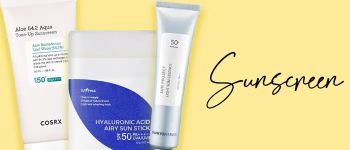
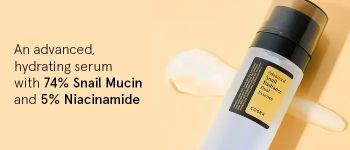

Glass Skin Goals 2026: 7 Best Korean Serums to Buy in India for Every Skin Concern!

That luminous, almost transparent complexion you've seen on K-drama stars? It's called glass skin, and it's more achievable than you think. The secret lies in finding the best serum for glass skin that addresses your specific concerns while delivering that lit-from-within radiance.
Korean glass skin serum formulas have revolutionised how we approach skincare. They're lightweight, deeply hydrating, and packed with actives that transform texture over time. Whether you're battling dullness, dehydration, or uneven tone, there's a glass skin serum waiting to change your routine.
What Makes Glass Skin Different
Glass skin isn't about perfection. It's about skin so well-hydrated and healthy that it reflects light like polished glass. The surface appears smooth, poreless, and dewy without looking oily.
According to research in the Journal of Cosmetic Dermatology, this effect comes from optimal hydration levels and a strong moisture barrier. Korean serums achieve this through multiple hydrating layers and ingredients that plump skin from within.
The best Korean face serum for glass skin focuses on hydration first, then addresses secondary concerns like pigmentation or fine lines. This approach builds that translucent, bouncy quality that defines the trend.
7 Best Korean Serums for Every Skin Concern
Here's your guide to the best serum for glass skin based on what your skin actually needs.
1. For Deep Hydration: Snail Mucin Essence
Dehydrated skin can't achieve glass skin. The COSRX Advanced Snail 96 Mucin Power Essence delivers intense hydration that plumps and repairs. Snail mucin contains natural hyaluronic acid, glycoproteins, and zinc that leave skin bouncy and radiant. This cult favourite absorbs quickly and works for every skin type.
2. For Firming and Anti-Aging: Peptide Serum
Loss of firmness dulls your complexion. The 6 Peptide Skin Booster Serum signals your skin to produce more collagen while providing lightweight hydration. Peptides strengthen your skin structure, creating that firm, light-reflecting surface essential for glass skin.
3. For Brightening: Vitamin C Serum
Dullness and dark spots prevent that clear, glassy finish. The Klairs Freshly Juiced Vitamin Drop offers a gentle 5% vitamin C concentration that brightens without irritation. For stubborn pigmentation, the Dark Spot Correcting Glow Serum targets uneven tone while supporting overall radiance.
4. For Sensitive Skin: Centella Ampoule
Reactive skin needs calming before it can glow. The Skin1004 Madagascar Centella Tone Brightening Capsule Ampoule soothes inflammation while brightening. Centella asiatica repairs barrier damage that prevents skin from achieving that smooth, glass-like surface.
5. For Barrier Repair: Biome Serum
A damaged moisture barrier can't hold hydration or reflect light properly. The Skin Biome Serum supports your skin's microbiome, strengthening its natural defences. Healthy barrier function is foundational for achieving and maintaining glass skin.
6. For Texture Improvement: Softening Serum
Rough, uneven texture scatters light instead of reflecting it. The Skin Softening Serum smooths and refines, creating the even surface that glass skin requires. Pair with gentle exfoliation for best results.
7. For Eye Area Concerns: Retinal Eye Serum
The delicate eye area often ages first, disrupting your overall glow. The Revive Eye Serum with Ginseng and Retinal targets fine lines and dark circles, ensuring your entire face achieves that luminous finish.
How to Layer for Glass Skin
The best Korean face serum delivers maximum results when layered correctly. Start with the thinnest consistency and build to thicker formulas.
After cleansing, apply a hydrating toner. The Collagen Gel Toner Pads prep skin beautifully for serum absorption. Apply your Korean glass skin serum to slightly damp skin, patting gently rather than rubbing. Wait 30 seconds before adding your next layer.
You can use two serums if they address different concerns. Apply the more watery formula first. Seal everything with moisturiser. The COSRX Advanced Snail 92 All-In-One Cream locks in hydration without heaviness.
Adapting Glass Skin for Indian Weather
Korean skincare was designed for different climate conditions. Indian humidity and heat require adjustments.
In summer, stick to one lightweight serum rather than layering multiple products. Water-based formulas absorb quickly without feeling heavy. In winter or air-conditioned environments, layer your glass skin serum twice for extra hydration.
Always finish with sunscreen. UV damage causes dullness and pigmentation that prevent glass skin. Indian skin's tendency toward hyperpigmentation makes daily SPF essential for maintaining that clear, luminous finish.
Kind Choices for Glass Skin
At Kindlife, we bring you the best Korean face serum options for achieving glass skin in Indian conditions. Our curated serum collection features hydrating essences, brightening ampoules, and barrier-supporting formulas from trusted brands like COSRX.
Start your glass skin journey and let your natural radiance shine through.
FAQs
What does "glass skin" actually mean?
Glass skin refers to a complexion so hydrated and smooth that it appears translucent and reflective, like glass. It's characterised by minimal visible pores, even tone, and a dewy finish that comes from optimal hydration and barrier health.
Are Korean serums good for Indian skin types?
Yes, Korean serums work beautifully for Indian skin. Their lightweight textures suit humid climates, and ingredients like snail mucin and centella address concerns common in Indian skin like pigmentation and sensitivity.
How long does it take to see results from Korean serums?
- Hydration improves immediately after the first use
- Texture and radiance improvements appear within one to two weeks
- Significant changes in pigmentation or firmness take four to eight weeks of consistent use
Can I use more than one serum in my skincare routine?
- Yes, you can layer two serums targeting different concerns
- Apply thinner, water-based formulas first
- Avoid combining too many actives like vitamin C with retinol in the same routine
What should I avoid when using Korean serums?
Avoid over-layering products in humid weather, mixing incompatible actives like retinol and AHA together, and skipping sunscreen during the day. Start new serums slowly to ensure your skin tolerates them well.
Summer Sunscreen Essentials: How to Keep Your Skin Protected and Fresh

Summer in India is relentless. The sun beats down harder, UV rays intensify, and your skin pays the price. Finding the best sunscreen for summer isn't optional. It's the single most important step in your warm-weather skincare routine.
The importance of sunscreen in summer goes beyond preventing sunburn. UV exposure causes hyperpigmentation, premature aging, and long-term skin damage that shows up years later. Indian skin is particularly prone to tanning and dark spots, making proper protection essential from April through September.
Why Summer Sun Is More Dangerous
UV radiation peaks during summer months. According to the Indian Meteorological Department, UV index levels in most Indian cities reach "very high" to "extreme" categories between March and June. This means your skin faces significantly more damage during these months than in winter.
The angle of the sun matters too. In summer, the sun is more directly overhead, so UV rays travel through less atmosphere before reaching your skin. Combined with longer daylight hours, your total UV exposure multiplies dramatically.
Humidity adds another layer of challenge. Sweat dilutes and removes sunscreen from your skin faster. Heavy formulas feel unbearable in heat, tempting you to skip protection entirely. The best sunscreen for summer in India balances strong protection with comfortable, lightweight textures.
Choosing the Right SPF Level
SPF measures protection against UVB rays, the ones that cause sunburn. Higher numbers offer more protection, but the differences become marginal after a certain point.
SPF 30 blocks approximately 97% of UVB rays. SPF 50 blocks about 98%. The extra 1% matters for prolonged outdoor exposure, but proper application and reapplication matter more than the specific number on the bottle.
For Indian summers, SPF 30 to 50 provides excellent protection for daily activities. If you're spending extended time outdoors, at the beach, or doing sports, SPF 50 or higher with water resistance becomes more important.
Look for broad-spectrum protection. This means the formula guards against both UVA rays, which cause aging and pigmentation, and UVB rays, which cause burning. Indian skin's tendency toward hyperpigmentation makes UVA protection particularly important.
Mineral vs Chemical: What Works Better in Heat
The sunscreen for summer debate often comes down to formula type. Both mineral and chemical sunscreens protect effectively, but they perform differently in hot, humid conditions.
Chemical sunscreens absorb UV rays and convert them to heat. They tend to feel lighter and blend invisibly. However, some people find they sting in sweaty conditions, and certain chemical filters break down faster in intense sun.
Mineral sunscreens use zinc oxide or titanium dioxide to physically reflect UV rays. They're more stable in heat and work immediately upon application. Modern formulations have overcome the old problem of white cast, offering sheer finishes even on deeper skin tones.
For sensitive skin prone to summer breakouts, mineral options often work better. For those prioritizing invisible application under makeup, chemical or hybrid formulas might suit better.
Application Tips for Maximum Protection
The best sunscreen for summer only works if you apply it correctly. Most people use far too little, reducing protection by half or more.
For your face, use about half a teaspoon. Cover your entire face, including ears, hairline, and the back of your neck. Don't forget your lips with an SPF balm. Apply 15 to 20 minutes before sun exposure to allow chemical filters to activate. Mineral sunscreens work immediately.
Reapplication is where most people fail. In hot, humid conditions, reapply every two hours, or immediately after swimming or heavy sweating. Keep a travel-size sunscreen in your bag for midday touch-ups.
Building a Summer Sun Protection Routine
Sunscreen works best as part of a complete routine. Start with a gentle cleanser that removes sweat and grime without over-drying. The COSRX Low pH Good Morning Gel Cleanser cleanses effectively while maintaining skin balance.
Follow with a lightweight toner and hydrating serum. The COSRX Advanced Snail 96 Mucin Power Essence provides moisture without heaviness, creating a smooth base for sunscreen.
Apply a lightweight moisturizer if your skin needs it, then finish with sunscreen as your final skincare step. Wait a few minutes before applying makeup to let the sunscreen set properly.
Common Summer Sunscreen Mistakes
Skipping sunscreen on cloudy days is a major mistake. Up to 80% of UV rays penetrate clouds. Overcast summer days can actually be more dangerous because you stay outside longer without feeling the heat warning.
Using last year's sunscreen reduces protection. Active ingredients degrade over time, especially after exposure to heat. Check expiration dates and replace bottles that have been sitting in hot cars or beach bags.
Relying solely on makeup with SPF doesn't provide adequate protection. The amount of foundation or powder you'd need to apply for proper SPF coverage would be unrealistic. Use a dedicated sunscreen underneath.
Kind Choices for Summer Protection
At Kindlife, we bring you sunscreen-ready skincare that preps your skin for comfortable summer protection. Our curated collection features lightweight serums, gentle cleansers, and hydrating formulas from trusted Korean and global brands.
Build a summer routine that makes sun protection effortless.
FAQs
Why is sunscreen essential during summer?
UV radiation peaks during summer months, causing more damage in shorter exposure times. Sunscreen prevents sunburn, hyperpigmentation, premature aging, and long-term skin concerns that Indian skin is particularly prone to.
What SPF is best for Indian summer weather?
SPF 30 to 50 with broad-spectrum protection works well for most daily activities. For extended outdoor exposure, beach days, or outdoor sports, choose SPF 50 or higher with water resistance.
How often should you reapply sunscreen in hot and humid conditions?
- Reapply every two hours during continuous sun exposure
- Reapply immediately after swimming, sweating heavily, or towelling off
- Set phone reminders to maintain consistent protection
What is the difference between SPF 30 and SPF 50?
- SPF 30 blocks approximately 97% of UVB rays
- SPF 50 blocks approximately 98% of UVB rays
- Proper application and reapplication matter more than the specific SPF number
Should you use sunscreen indoors or on cloudy days?
Yes. UV rays penetrate windows and clouds. Up to 80% of UV radiation reaches your skin on cloudy days. If you sit near windows or spend time driving, indoor sunscreen use prevents cumulative damage.
Can sunscreen prevent tanning and pigmentation?
Sunscreen significantly reduces tanning and prevents new pigmentation from forming. For existing dark spots, combine sunscreen with brightening ingredients like vitamin C. Consistent protection is key to preventing hyperpigmentation that Indian skin commonly experiences.
Prevention is Key: Your Guide to Starting Anti-Aging Skincare in Your 20s & 30s
Wrinkles aren't on your radar yet. Your skin still bounces back after late nights. So why think about anti-aging cream now? Because prevention is infinitely easier than correction. The habits you build in your 20s and 30s determine how your skin looks in your 40s and beyond.
Anti-aging treatments aren't just for mature skin. Starting early means you're protecting collagen while you still have plenty of it. The best anti-aging cream in India for your age focuses on prevention, not reversal. That's a much simpler job.
Why Your 20s and 30s Matter
Collagen production peaks in your mid-20s, then declines by about 1% every year. According to research published in Dermato Endocrinology, this gradual loss accelerates with sun exposure, pollution, and lifestyle factors. By the time visible wrinkles appear, significant damage has already occurred beneath the surface.
Your 20s are about building protective habits. Your 30s are about adding targeted treatments before signs become permanent. Both decades benefit from smart skincare choices that compound over time.
Think of it like saving for retirement. Small investments early yield far greater returns than large investments later. Your skin works the same way.
Early Signs of Aging to Watch For
Aging doesn't announce itself with deep wrinkles. The early signs are subtle, and catching them early guides your product choices.
In your mid-20s, watch for dullness that doesn't improve with sleep, fine lines around your eyes when you smile that take longer to fade, and skin that feels less bouncy than it used to. These aren't causes for alarm. They're signals to start preventive care.
In your 30s, expression lines begin to linger. Forehead creases appear when you raise your eyebrows. Dark spots from old breakouts or sun exposure stick around longer. Skin texture becomes less smooth. These changes call for more active anti-aging treatments.
Essential Ingredients for Your 20s
Your anti-aging serum in your 20s should focus on protection and hydration. You're preserving what you have, not replacing what's lost.
Sunscreen
This is your most powerful anti-aging tool. UV damage causes up to 80% of visible aging. Daily broad-spectrum SPF 30 or higher prevents the damage that no cream can fully reverse. Make this non-negotiable.
Antioxidants
Vitamin C protects against environmental damage while brightening your complexion. The Klairs Freshly Juiced Vitamin Drop offers a gentle 5% concentration perfect for younger skin. For convenient daily brightening, the No.5 Vitamin Glutathione Concentrated Toner Pads deliver antioxidant protection in an easy swipe.
Hydration
Plump, hydrated skin shows fewer fine lines. Hyaluronic acid and snail mucin deliver moisture without heaviness. The COSRX Advanced Snail 96 Mucin Power Essence repairs and hydrates, supporting your skin barrier while keeping things simple. For an all-in-one option, the COSRX Advanced Snail 92 All-In-One Cream combines hydration with repair in a single step.
Stepping Up in Your 30s
Your 30s call for more active ingredients. Your anti-aging cream and serum should now include treatments that stimulate collagen production.
Retinol
Retinol is the gold standard for anti-aging. It boosts cell turnover, stimulates collagen, and fades early sun damage. Start with low concentrations, two to three times weekly. The Retinol 0.5 offers a balanced strength for those ready to incorporate this powerhouse ingredient. For the delicate eye area where aging often shows first, the Revive Eye Serum with Ginseng and Retinal provides targeted treatment.
Peptides and Collagen
Peptides signal your skin to produce more collagen. They're gentler than retinol, making them ideal for sensitive skin or retinol off-nights. The 6 Peptide Skin Booster Serum delivers firming benefits in a lightweight formula. For collagen support in your toning step, Collagen Gel Toner Pads combine hydration with firming benefits.
Targeted Treatments
Dark spots and uneven tone become more common in your 30s. The Dark Spot Correcting Glow Serum addresses pigmentation while supporting overall skin brightness.
Building Your Prevention Routine
The best anti-aging cream in India works within a consistent routine. Keep it simple enough to actually maintain.
Start with gentle cleansing. Harsh cleansers damage your barrier, accelerating aging. The Numbuzin No.2 Deep Clean Fresh Cream Cleanser removes impurities without stripping.
Follow with a hydrating toner to prep skin for absorption. Apply your anti-aging serum while your skin is slightly damp. The Skin1004 Madagascar Centella Tone Brightening Capsule Ampoule soothes while brightening.
Seal with moisturiser and finish with sunscreen every morning. At night, this is when retinol and peptides do their work.
Lifestyle Factors That Age You
Products alone can't counteract poor habits. Sleep deprivation, chronic stress, smoking, excessive alcohol, and poor nutrition all accelerate aging. No anti-aging treatments can fully compensate for these factors.
Prioritise seven to eight hours of sleep. Manage stress through exercise or meditation. Eat antioxidant-rich foods. Stay hydrated. These basics support everything your skincare products are trying to achieve.
Kind Choices for Younger Skin
At Kindlife, we bring you preventive skincare that works for every age. Our curated serum collection features antioxidants, peptides, and hydrating formulas from trusted brands like COSRX and other Korean favourites.
Start your prevention journey today and let your future self thank you.
FAQs
When should you start using anti-aging skincare products?
Start basic prevention in your early 20s with sunscreen and antioxidants. Add active treatments like retinol and peptides in your late 20s or early 30s when collagen production noticeably slows.
What are the first signs of aging to watch for in your 20s and 30s?
Dullness, fine lines that linger after expressions, loss of skin bounce, and dark spots that fade slowly are early indicators. These subtle changes signal when to add targeted anti-aging products.
What ingredients should you look for in early anti-aging skincare?
- 20s: Sunscreen, vitamin C, hyaluronic acid, and antioxidants for protection
- 30s: Add retinol, peptides, and collagen-boosting treatments for stimulation
How important is sunscreen in preventing premature aging?
- UV damage causes up to 80% of visible skin aging
- Daily SPF prevents damage that anti-aging creams cannot fully reverse
- Sunscreen is the single most effective anti-aging product at any age
Are anti-aging products different for your 20s vs 30s?
Yes. Your 20s focus on protection and hydration with antioxidants and sunscreen. Your 30s require active treatments like retinol and peptides that stimulate collagen production to address early signs of aging.
9 Summer Skincare Mistakes to Avoid
Summer changes everything about your skin. The humidity rises, oil production increases, and UV rays intensify. Yet many people stick to the same routine year-round, wondering why their skin rebels. Your skincare in the summer needs adjustments, and avoiding common mistakes makes all the difference.
The right skin care summer-season approach keeps your complexion clear, hydrated, and protected. The bad habits lead to breakouts, dehydration, and sun damage that shows up months later. Here are nine mistakes you're probably making and how to fix them.
Mistake 1: Skipping Moisturiser Because It's Humid
This is the most common summer skincare myth. Humidity in the air doesn't mean your skin is hydrated. Air conditioning, sun exposure, and sweat actually strip moisture from your skin constantly.
When you skip moisturizer, your skin compensates by producing more oil. This leads to the frustrating combination of oily yet tight skin. According to the American Academy of Dermatology, maintaining a moisture barrier requires consistent hydration regardless of the season.
The fix? Switch to lightweight, gel-based moisturizers instead of heavy creams. These provide hydration without suffocating your skin in heat.
Mistake 2: Using Heavy Winter Products
That rich cream that saved your skin in December will clog your pores in June. Heavy occlusives trap sweat and sebum, creating a breeding ground for breakouts. Your skincare routine for summer needs lighter textures across every step.
Swap cream cleansers for gel or foam formulas. The COSRX Low pH Good Morning Gel Cleanser cleanses effectively without heaviness. Replace thick serums with watery essences. The COSRX Advanced Snail 96 Mucin Power Essence delivers hydration in a lightweight formula perfect for summer.
Mistake 3: Forgetting to Reapply Sunscreen
Applying sunscreen once in the morning isn't enough. Sweat, oil, and simple friction remove protection throughout the day. By lunchtime, you're essentially unprotected.
Reapply every two hours during sun exposure, or immediately after swimming or heavy sweating. Keep a travel-size sunscreen in your bag for midday touch-ups. This single habit prevents more sun damage than any expensive treatment.
Mistake 4: Over-Cleansing and Over-Exfoliating
Summer sweat makes you feel dirty, so you cleanse more aggressively. This strips your skin barrier, triggering more oil production and sensitivity. The cycle worsens with each wash.
Cleanse twice daily, but not more. Use a gentle cleanser that removes sweat without stripping. The Round Lab 1025 Dokdo Cleanser uses mineral-rich water for effective yet gentle cleansing.
Reduce exfoliation frequency in summer. Sun-exposed skin is more sensitive, and over-exfoliating increases photosensitivity and irritation.
Mistake 5: Ignoring Hydration from Within
No amount of skin products for summer can compensate for dehydration. When your body lacks water, your skin shows it first. Dullness, fine lines, and increased oiliness all signal internal dehydration.
According to research in Clinical, Cosmetic, and Investigational Dermatology, adequate water intake directly impacts skin hydration and appearance. Aim for at least eight glasses daily, more if you're sweating heavily or spending time outdoors.
Mistake 6: Skipping Sunscreen on Cloudy Days
Clouds don't block UV rays. Up to 80% of radiation penetrates cloud cover, reaching your skin even when the sun isn't visible. Overcast days can actually cause more damage because you stay outside longer without feeling the heat warning.
Make sunscreen a non-negotiable daily step, regardless of the weather. Your skincare in summers must include consistent sun protection to prevent hyperpigmentation and premature aging.
Mistake 7: Using Expired or Heat-Damaged Products
That sunscreen from last summer might not work anymore. Heat degrades active ingredients, and products left in hot cars, beach bags, or steamy bathrooms lose effectiveness. Expired formulas provide false protection while your skin takes the damage.
Check expiration dates on all your skin products for summer. Store skincare in cool, dry places away from direct sunlight. Replace anything that's changed color, texture, or smell.
Mistake 8: Layering Too Many Products
Your 10-step routine might work in winter, but summer skin needs breathing room. Too many layers trap heat, clog pores, and create that uncomfortable sticky feeling that makes you want to skip skincare entirely.
Simplify your skin care summer season routine to essentials: cleanser, toner, one serum, lightweight moisturizer, and sunscreen. Save the elaborate layering for cooler months.
Mistake 9: Neglecting Your Neck and Body
Your face gets all the attention, while your neck, chest, and arms face the same sun exposure. These areas show aging and sun damage just as visibly. Uneven protection creates obvious lines where your face meets unprotected skin.
Extend your skincare routine for summer beyond your face. Apply sunscreen to all exposed areas. Use body moisturizers with hydrating ingredients. Your neck and hands especially benefit from the same care as your face.
Building a Better Summer Routine
A smart skincare in summer approach is simple. Start with a gentle cleanser in the morning and night. Follow with a hydrating toner and lightweight serum. Apply a gel moisturizer and finish with broad-spectrum sunscreen in the morning.
At night, focus on repair. The Skin1004 Madagascar Centella Tone Brightening Capsule Ampoule soothes sun-exposed skin while brightening. Let your skin recover from daily heat and UV stress.
Kind Choices for Summer Skin
At Kindlife, we bring you lightweight, effective formulas perfect for Indian summers. Our curated skincare collection features gel cleansers, hydrating serums, and barrier-supporting products from trusted Korean and global brands.
Give your skin the summer care it deserves.
FAQs
How can I keep my face healthy in summer?
Use lightweight products, apply sunscreen daily, stay hydrated, and cleanse gently without overwashing. Simplify your routine to essentials that won't clog pores in heat and humidity.
What are the most common summer skincare mistakes?
Skipping moisturizer, forgetting to reapply sunscreen, using heavy winter products, and over-cleansing are the biggest mistakes. Each one damages your skin barrier and worsens summer skin concerns.
How does dehydration affect your skin during summer?
- Dehydrated skin looks dull and feels tight, even when oily
- Fine lines become more visible
- Your skin may overproduce oil to compensate for water loss
What is a good summer skincare routine?
- Morning: gentle cleanser, hydrating toner, lightweight serum, gel moisturiser, sunscreen
- Night: gentle cleanser, toner, repairing serum, lightweight moisturiser
Can I skip moisturizer duringthe summer?
No. Skipping moisturizer triggers excess oil production and damages your moisture barrier. Switch to lightweight gel or water-based formulas that hydrate without heaviness.
How to protect skin from the sun in summer?
Apply broad-spectrum SPF 30 to 50 daily, reapply every two hours during sun exposure, wear protective clothing and sunglasses, and seek shade during peak UV hours between 10 am and 4 pm.
Best Serums for Combination Skin: How to Balance Your Oily T-Zone and Dry Cheeks
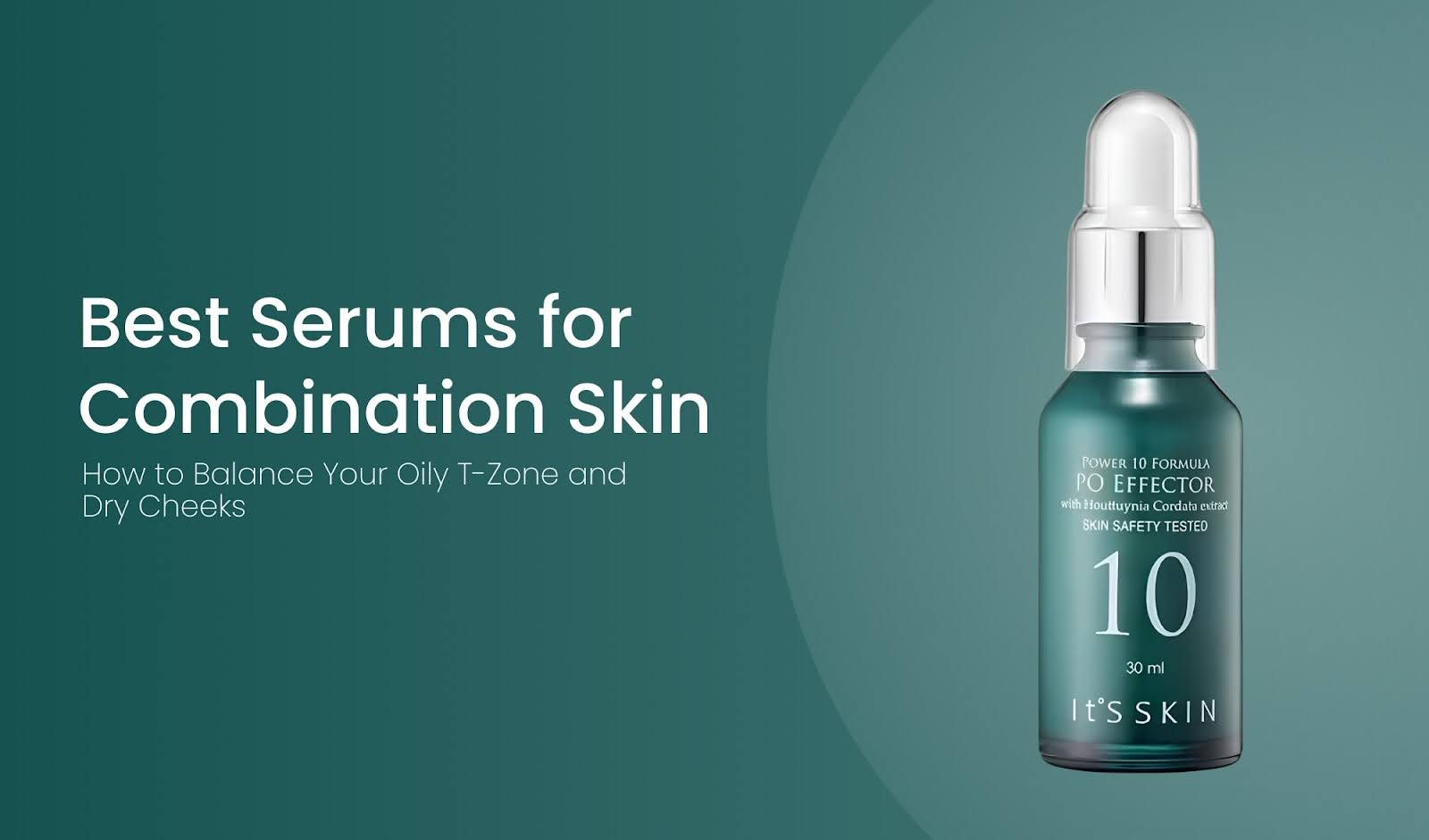
Your forehead shines by midday while your cheeks feel tight and parched. Products that control oil leave dry areas flaky. Hydrating formulas make your T-zone a grease slick. Finding the right serum for combination skin feels like solving an impossible puzzle.
Combination skin needs smart solutions, not compromise. The best serum for combination skin addresses both concerns simultaneously, delivering lightweight hydration that doesn't overwhelm oily zones while nourishing dry patches. Korean formulas excel here, with textures designed for exactly this balancing act.
Understanding Combination Skin
Combination skin isn't one condition. It's two different skin types coexisting on your face. Your T-zone, the forehead, nose, and chin area, produces excess sebum. Your cheeks and outer face lack oil and moisture.
According to the International Journal of Cosmetic Science, sebum production varies significantly across facial zones, which is why treating your entire face the same way doesn't work. Skincare for combination skin requires ingredients that adapt to different needs.
The challenge intensifies with Indian weather. Humidity increases oiliness in your T-zone while air conditioning dehydrates your cheeks further. Seasonal changes shift the balance constantly. Your combination skin care products need to be versatile enough to handle these fluctuations.
Key Ingredients for Combination Skin
The best serum for combination skin contains ingredients that multitask effectively.
Niacinamide
Niacinamide regulates sebum in oily areas while strengthening the moisture barrier in dry zones. It's the ultimate balancing ingredient. The Power 10 Formula PO Effector delivers concentrated niacinamide for pore control and oil balance.
Hyaluronic Acid
Lightweight hyaluronic acid hydrates without heaviness. It draws moisture into dry cheeks without adding oil to your T-zone. Look for low-molecular-weight versions that absorb quickly.
Centella Asiatica
Centella soothes the irritation that combination skin often experiences. It calms reactive areas without disrupting oil balance. The Calming Serum delivers centella's soothing benefits in a lightweight formula perfect for combination concerns.
Snail Mucin
Snail mucin hydrates and repairs without clogging pores. The COSRX Advanced Snail 96 Mucin Power Essence absorbs quickly and works beautifully across different skin zones.
Best Serums for Combination Skin
Here are formulas that balance your unique needs.
For Oil Control and Hydration
The Power 10 Formula PO Effector targets enlarged pores and excess sebum while maintaining skin comfort. It's concentrated enough to control your T-zone without drying your cheeks.
For Brightening and Balance
Dull combination skin needs gentle brightening. The Glow Serum delivers radiance without heavy textures that overwhelm oily areas. The Klairs Freshly Juiced Vitamin Drop offers vitamin C benefits in a lightweight formula suited to combination concerns.
For Calming and Repair
Reactive combination skin benefits from soothing formulas. The Calming Serum reduces redness and irritation, while the Skin1004 Madagascar Centella Tone Brightening Capsule Ampoule delivers centella's healing properties.
For Deep Hydration
When your dry areas need extra moisture, the COSRX Advanced Snail 96 Mucin Power Essence delivers without adding weight. The 6 Peptide Skin Booster Serum provides hydration with firming benefits.
Application Techniques for Combination Skin
How you apply your serum for combination skin matters as much as what you apply.
Use different amounts for different zones. Apply a generous layer to dry cheeks and a lighter touch on your T-zone. This customised approach ensures every area gets exactly what it needs.
Apply to damp skin after cleansing and toning. The Round Lab 1025 Dokdo Cleanser cleanses without disrupting your skin's natural balance. Pat your serum in gently rather than rubbing.
Follow with moisturiser, adjusting texture by zone. Use a lightweight gel on your T-zone and a richer formula on cheeks if needed.
Building Your Combination Skin Routine
Effective skincare for combination skin keeps things simple. Over-layering products can overwhelm oily areas and cause congestion.
Morning routine: gentle cleanser, hydrating toner, one lightweight serum, moisturiser, and sunscreen. Evening routine: double cleanse if wearing sunscreen, toner, treatment serum, and moisturiser.
Switch your combination skin care products seasonally. Use lighter formulas in humid months and richer textures during dry winters. Your T-zone might need less product in summer, while your cheeks need more in winter.
Kind Choices for Balanced Skin
At Kindlife, we bring you the best serum for combination skin from trusted Korean and global brands. Our curated serum collection features balancing formulas, oil-control treatments, and hydrating essences from brands like COSRX.
Find your perfect balance and let both zones thrive.
FAQs
Which type of serum is best for combination skin?
Lightweight, water-based serums with niacinamide or hyaluronic acid work best. These ingredients hydrate dry areas while regulating oil in the T-zone without feeling heavy.
Which serum is best for combination skin?
Snail mucin essences and niacinamide serums balance combination skin effectively. The COSRX Advanced Snail 96 Mucin Power Essence and Power 10 Formula PO Effector are excellent choices.
Which brand is best for combination skin?
- COSRX offers lightweight, effective formulas designed for balancing
- Klairs provides gentle options for sensitive combination skin
- Korean brands generally excel at textures suited to combination concerns
What to avoid for combination skin?
- Heavy, oil-based serums that clog your T-zone
- Overly mattifying products that dry out your cheeks
- Alcohol-heavy formulas that disrupt your moisture barrier
How to improve combination skin?
Focus on barrier health with hydrating serums. Use different amounts in different zones. Don't over-cleanse or over-exfoliate. Adjust your routine seasonally and always use sunscreen to prevent further imbalance.
10 Best Hydrating Summer Moisturisers to Rescue Dry Skin
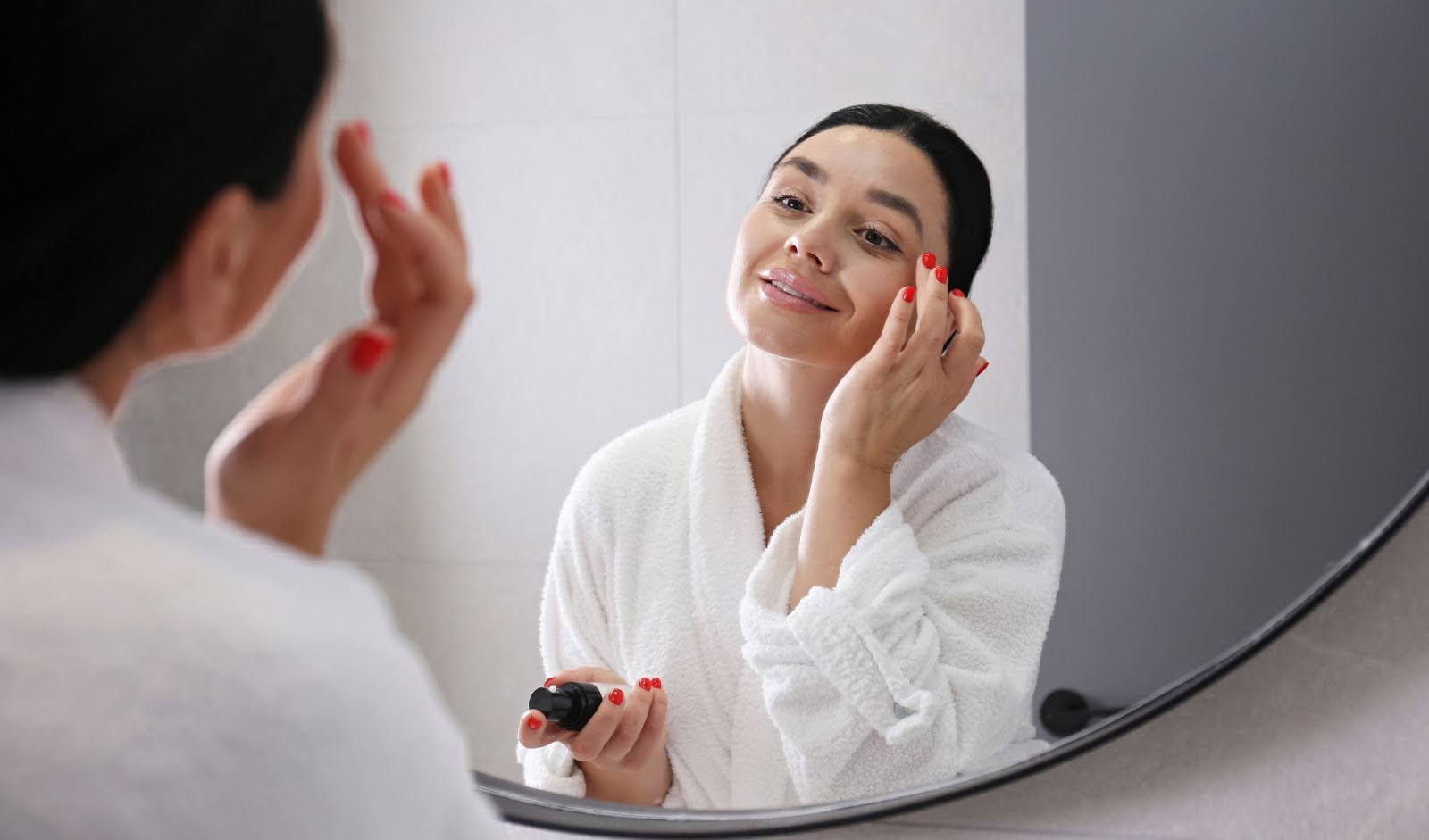
Summer brings a skincare contradiction. The humidity makes everything feel damp, yet your skin still feels tight and parched. Finding the best moisturizer for summer means balancing hydration with lightweight textures that won't suffocate your skin in the heat.
Dry skin doesn't take a break when temperatures rise. Air conditioning, sun exposure, and chlorine from pools strip moisture constantly. The right moisturizer for dry skin in summer keeps your barrier intact without adding heaviness or causing breakouts.
Why Dry Skin Struggles in Summer
You'd think humidity would help dry skin. It doesn't work that way. According to the American Academy of Dermatology, environmental factors like air conditioning and sun exposure actually increase moisture loss, even in humid conditions.
Air conditioning removes moisture from the air, creating a desert-like environment indoors. UV rays damage your skin barrier, reducing its ability to retain water. Sweat evaporating from your skin takes hydration with it. Chlorine and salt water strip natural oils.
The result? Skin that feels dry despite the season. Heavy winter creams feel unbearable, but skipping moisturizer makes things worse. The best face moisturizer for summer solves this dilemma with smart formulations.
What Makes a Good Summer Moisturiser
The best moisturizer for dry skin in summer has specific characteristics that winter creams lack.
Lightweight textures absorb quickly without sitting on your skin. Gel-creams, water-based formulas, and fluid lotions feel comfortable in heat while still delivering hydration. Heavy occlusives like thick shea butter can trap sweat and clog pores in humidity.
Humectants like hyaluronic acid and glycerin draw moisture into your skin. In humid conditions, they pull water from the air, making them particularly effective in summer. Emollients like squalane and lightweight oils smooth without heaviness.
Non-comedogenic formulas prevent the breakouts that often plague dry skin in summer. When you're sweating more, pore-clogging ingredients cause problems they wouldn't in the winter.
10 Best Hydrating Summer Moisturisers
Here are formulas that deliver moisture without the weight.
1. Gel-Cream Moisturisers
Gel-creams offer the best of both worlds. They provide the hydration of a cream with the lightweight feel of a gel. Water-based formulas absorb in seconds, leaving skin comfortable even in peak humidity. Look for versions with hyaluronic acid for extra moisture-binding power.
2. Water-Based Hydrators
These feel like water on your skin but deliver serious hydration. They work beautifully in humid Indian summers when anything heavier feels oppressive. Layer them over a hydrating serum for dry skin that needs extra support.
3. Snail Mucin Formulas
Snail mucin hydrates, repairs, and soothes without any heaviness. The COSRX Advanced Snail 96 Mucin Power Essence works as a moisturizing step for some people in summer, or layer it under a light cream for dry skin that needs more.
4. Centella-Based Moisturisers
Centella asiatica calms sun-exposed skin while providing moisture. The Skin1004 Madagascar Centella Tone Brightening Capsule Ampoule soothes summer irritation while keeping skin hydrated.
5. Peptide Moisturisers
Peptides firm and hydrate simultaneously. The 6 Peptide Skin Booster Serum delivers anti-aging benefits in a lightweight formula perfect for warmer months.
6. Vitamin C Moisturisers
Antioxidant protection is essential in summer. The Klairs Freshly Juiced Vitamin Drop brightens while providing lightweight moisture that pairs well with summer routines.
7. Oil-Free Hydrators
Oil-free doesn't mean hydration-free. These formulas use humectants and water-binding ingredients instead of oils. They're ideal if humidity makes your dry skin feel congested.
8. Squalane-Based Formulas
Squalane mimics your skin's natural oils without feeling heavy. It absorbs quickly, doesn't clog pores, and provides lasting moisture even in air-conditioned environments.
9. Aloe-Based Moisturisers
Aloe vera soothes sun exposure while hydrating. These cooling formulas feel refreshing on hot days and calm any redness from UV damage.
10. Barrier-Repair Moisturisers
Ceramide-based formulas repair summer damage to your moisture barrier. They're essential if air conditioning and sun have left your skin compromised.
Building Your Summer Moisturising Routine
The best face moisturizer for summer works within a complete routine. Start with a gentle cleanser that doesn't strip your already dry skin. The Round Lab 1025 Dokdo Cleanser cleanses without over-drying.
Follow with a hydrating toner to add the first layer of moisture. Apply any serums while the skin is still damp. Then seal everything with your lightweight moisturizer.
In the morning, always finish with sunscreen. At night, you can use a slightly richer formula since you're not dealing with heat and humidity while sleeping.
Kind Choices for Summer Skin
At Kindlife, we bring you lightweight yet hydrating formulas perfect for summer. Our curated skincare collection features gel-creams, hydrating serums, and barrier-supporting products from trusted Korean and global brands.
Keep your dry skin comfortable all summer long.
FAQs
What ingredients should I look for in a summer moisturizer for dry skin?
Hyaluronic acid draws moisture from humid air into your skin. Glycerin provides lasting hydration without heaviness. Squalane and ceramides repair your barrier. Avoid heavy occlusives like thick butters that trap heat and sweat.
Are gel-based moisturizers better for hot and humid weather?
Yes, gel-based moisturizers absorb quickly and feel comfortable in heat. They provide hydration without the suffocating feeling of heavy creams. For dry skin, choose gel-creams that combine gel texture with cream-level moisture.
How often should I apply moisturizer in summer?
- Apply morning and night as part of your routine
- Reapply during the day if air conditioning leaves skin feeling tight
- After swimming or heavy sweating, cleanse and moisturise again
Should dry skin use sunscreen with a moisturizer?
- Yes, use both as separate steps for best protection and hydration
- Apply moisturiser first, let it absorb, then apply sunscreen
- Some people with dry skin prefer moisturising sunscreens for a streamlined routine
What's the best order to apply moisturizer in my skincare routine?
Apply moisturizer after cleansing, toning, and serums, but before sunscreen in the morning. At night, moisturiser is typically your final step unless you're using a face oil to seal everything in.
Top 10 Benefits of Collagen Masks for Radiant Skin
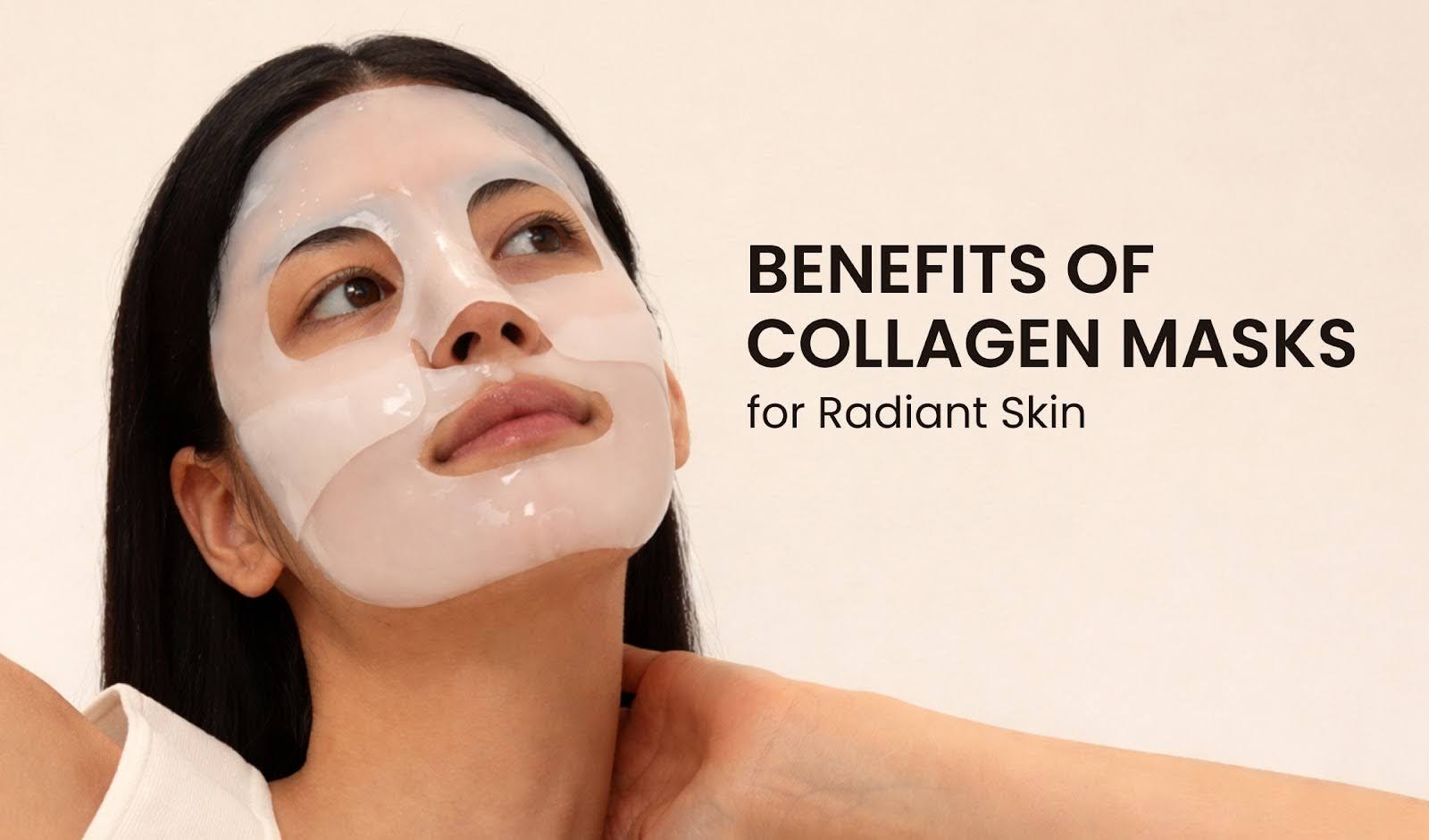
Your skin feels less bouncy than it used to. Fine lines appear where they didn't exist before. That youthful plumpness is slowly fading. Understanding the benefits of collagen and how to replenish it can transform your skincare results.
Collagen masks have become a cornerstone of K-beauty routines, delivering concentrated collagen benefits for skin in a single treatment. These targeted masks boost hydration, firmness, and radiance in ways that daily products often can't.
What Is Collagen in Skin?
Collagen is the most abundant protein in your body. It provides structure, strength, and elasticity to your skin. Think of it as the scaffolding that keeps everything firm and lifted.
According to research published in Dermato-Endocrinology, collagen production declines by approximately 1% per year after age 20. By 40, you've lost a significant amount. Environmental factors like UV exposure, pollution, and stress accelerate this decline further.
This is where collagen mask benefits become valuable. While topical collagen can't replace what's lost deep within, it hydrates, plumps, and supports your skin's surface while signalling cells to boost their own production.
Top 10 Collagen Face Mask Benefits
Here's why collagen masks deserve a place in your routine.
1. Intense Hydration
Collagen molecules hold moisture within your skin. A collagen mask delivers concentrated hydration that plumps fine lines and leaves skin dewy. This immediate collagen benefits for skin effect is visible after just one use.
2. Improved Skin Elasticity
Regular collagen mask use supports skin elasticity. The hydration and peptide content help maintain that bouncy quality that makes skin look youthful and healthy.
3. Reduced Appearance of Fine Lines
Plumped, hydrated skin shows fewer fine lines. Collagen face mask benefits include temporarily filling in surface wrinkles while long-term use supports overall skin texture improvement.
4. Firmer, Tighter Skin
Collagen masks provide a lifting effect. The tightening sensation isn't just temporary. Consistent use supports skin firmness over time by encouraging your skin's natural collagen production.
5. Enhanced Skin Radiance
Dull, dehydrated skin can't reflect light properly. The benefits of collagen include restoring the luminous quality that makes skin look healthy and glowing. Hydrated skin naturally appears more radiant.
6. Soothed and Calmed Skin
Many collagen masks include calming ingredients like centella or aloe. They reduce redness and irritation while delivering collagen benefits for skin repair and recovery.
7. Improved Product Absorption
Collagen masks prep your skin to absorb subsequent products better. Following up with a serum like the 6 Peptide Skin Booster Serum enhances results as your skin is primed for absorption.
8. Strengthened Skin Barrier
A compromised barrier leads to sensitivity and moisture loss. Collagen mask benefits include supporting barrier function, helping skin retain hydration, and resisting environmental stressors.
9. Even Skin Tone
Healthy, hydrated skin appears more even. The plumping effect minimises the appearance of discolouration and creates a smoother canvas.
10. Relaxation and Self-Care
Beyond physical collagen face mask benefits, the ritual itself matters. Taking 15 to 20 minutes for a mask provides mental relaxation that reduces stress, which itself damages collagen.
How to Boost Collagen Mask Results
Maximise your collagen mask benefits with the right supporting products.
Start with clean skin using a gentle cleanser. The Numbuzin No.2 Deep Clean Fresh Cream Cleanser preps skin without stripping. For daily collagen support between mask treatments, Collagen Gel Toner Pads deliver hydration and firming benefits.
After removing your mask, pat in the remaining essence rather than washing it off. Follow with a serum that supports collagen production. The COSRX Advanced Snail 96 Mucin Power Essence repairs and hydrates, enhancing your mask results.
Seal everything with the COSRX Advanced Snail 92 All In One Cream to lock in all those benefits of collagen you've just delivered.
How to Increase Collagen in Skin
Masks are one part of a comprehensive approach. Daily habits matter too.
Protect existing collagen with daily sunscreen. UV damage is the primary external cause of collagen breakdown. Retinol stimulates collagen production when used consistently. The Retinol 0.5 offers a balanced concentration for regular use.
Vitamin C supports collagen synthesis and protects against oxidative damage. The Klairs Freshly Juiced Vitamin Drop delivers gentle daily brightening. Peptides signal your skin to produce more collagen naturally.
Nutrition matters too. Protein-rich foods provide amino acids for collagen production. Vitamin C from fruits supports synthesis. Staying hydrated helps your skin function optimally.
Kind Choices for Collagen Support
At Kindlife, we bring you collagen-supporting skincare from trusted Korean and global brands like COSRX. Our curated collection features firming serums, hydrating essences, and targeted treatments that deliver real results.
Give your skin the collagen support it deserves.
FAQs
What is collagen in skin?
Collagen is a protein that provides structure, firmness, and elasticity to your skin. It makes up about 75% of your skin's dry weight and decreases naturally with age, leading to fine lines and loss of firmness.
How to increase collagen in skin?
Use retinol and vitamin C products daily. Protect skin with sunscreen to prevent collagen breakdown. Eat protein-rich foods and stay hydrated. Use collagen masks weekly for concentrated support.
What are the benefits of collagen?
Collagen hydrates, firms, and plumps skin. It reduces the appearance of fine lines, improves elasticity, and supports barrier health. Both internal and topical collagen support overall skin health.
How often should you use a collagen mask?
- Use one to two times per week for maintenance
- Increase to two to three times weekly when skin needs extra hydration
- Reduce frequency if skin feels congested or overwhelmed
What are the 5 signs that collagen is working?
- Skin feels more hydrated and plump
- Fine lines appear softer and less visible
- Skin has improved bounce and elasticity
- Complexion looks brighter and more radiant
- Skin texture becomes smoother over time
How do I know if my face needs collagen?
Fine lines appearing, loss of skin bounce, dullness, sagging around the jawline, and skin that takes longer to snap back when pinched all indicate declining collagen levels.
At what age can I use a collagen mask?
You can start using collagen masks in your early 20s for prevention. By your late 20s and 30s, regular use becomes more beneficial as natural collagen production begins declining noticeably.
6 Surprising Benefits of Using Rice Toner

Asian women have used rice water for centuries to achieve luminous, clear skin. Now this ancient secret has become a K-beauty staple, and for good reason. Rice water toner benefits go far beyond simple hydration, offering brightening, soothing, and anti-aging properties that modern formulations have perfected.
The beauty of rice water toner lies in its simplicity. Fermented rice extract delivers vitamins, minerals, and amino acids that your skin readily absorbs. Whether you're dealing with dullness, uneven tone, or dehydration, this gentle ingredient addresses multiple concerns without irritation.
What Makes Rice Water Special
Rice water contains a unique combination of skin-loving compounds. Vitamins B and E nourish and protect. Ferulic acid provides antioxidant benefits. Amino acids support skin repair and hydration. Inositol, a carbohydrate found in rice, promotes cell turnover and improves elasticity.
According to research published in the Journal of Cosmetic Dermatology, fermented rice filtrate demonstrates significant skin-brightening and barrier-strengthening properties. The fermentation process enhances these benefits by creating additional compounds that penetrate skin more effectively.
Korean beauty brands have harnessed this traditional ingredient in modern formulations. The result? Toners that deliver centuries of wisdom in a bottle.
Benefit 1: Brightens Dull Skin
One of the most celebrated rice water toner benefits is its ability to brighten tired, lacklustre skin. The natural compounds in rice water inhibit melanin production, gradually evening out skin tone and reducing the appearance of dark spots.
For Indian skin prone to hyperpigmentation, this gentle brightening approach works beautifully. Unlike harsh chemical brighteners, rice water illuminates without irritation. Consistent use reveals a natural radiance that looks healthy, not bleached.
Benefit 2: Deeply Hydrates Without Heaviness
Rice water toner provides lightweight hydration that suits all skin types. The amino acids and natural sugars draw moisture into your skin while creating a protective layer that prevents water loss.
In humid Indian weather, heavy hydrants feel uncomfortable. Rice toners absorb quickly, leaving skin plump and comfortable without stickiness. Layer under your serum and moisturizer for enhanced absorption of everything that follows.
Benefit 3: Soothes Sensitive and Irritated Skin
The benefits of rice water toner include powerful calming properties. Rice water has natural anti-inflammatory effects that reduce redness, calm irritation, and comfort reactive skin.
If your skin flares up from weather changes, pollution, or product sensitivity, rice toner provides gentle relief. It works well alongside other soothing ingredients like centella asiatica. The Skin1004 Madagascar Centella Tone Brightening Capsule Ampoule pairs beautifully with rice toner for a calming, brightening routine.
Benefit 4: Strengthens Your Skin Barrier
A compromised moisture barrier leads to sensitivity, dehydration, and accelerated aging. Rice water toner benefits include barrier repair and strengthening, thanks to its rich amino acid and lipid content.
Regular use helps your skin retain moisture better and resist environmental stressors. This foundational support makes your entire skincare routine more effective. When your barrier is strong, active ingredients work better, and irritation becomes less likely.
Benefit 5: Minimises Pores and Controls Oil
Rice water has mild astringent properties that help tighten the appearance of pores without drying your skin. For oily and combination skin types, this balance is difficult to find.
The toner step becomes even more valuable when it controls sebum while hydrating. Rice toners regulate oil production over time, reducing that midday shine without stripping necessary moisture.
Benefit 6: Provides Anti-Aging Support
The antioxidants in rice water protect against free radical damage that causes premature aging. Ferulic acid and vitamin E work together to prevent fine lines and maintain skin elasticity.
Inositol promotes healthy cell turnover, revealing fresher skin and improving texture over time. These benefits of rice water toner accumulate with consistent use, supporting youthful skin without aggressive anti-aging actives.
How to Use Rice Toner Effectively
Application technique maximises your rice water toner benefits. After cleansing, pour toner onto your palms or a cotton pad. Pat gently into your skin rather than rubbing. The patting motion encourages absorption and boosts circulation.
For extra hydration, use the 7-skin method. Apply thin layers of toner, allowing each to absorb before adding the next. Three to seven layers create intense hydration without heaviness.
Follow with your serum. The COSRX Advanced Snail 96 Mucin Power Essence layers beautifully over rice toner, combining hydration with repair benefits. Finish with moisturiser and sunscreen in the morning.
Kind Choices for Glowing Skin
At Kindlife, we bring you effective toners and essences that deliver real results. Our curated toner collection features hydrating, brightening formulas from trusted Korean and global brands that work beautifully for Indian skin.
Let rice water reveal your natural glow.
FAQs
Can I use rice toner daily?
Yes, rice water toner is gentle enough for twice-daily use. Apply morning and night after cleansing for best results. Its mild formula suits even sensitive skin with consistent use.
Which rice toner is best for glowing skin in India?
Look for fermented rice filtrate in the ingredients list. Fermentation enhances brightening benefits and absorption. Korean formulations typically offer high concentrations of active rice compounds for visible results.
What is the best way to apply rice toner?
- Pour toner onto palms and pat gently into skin
- Alternatively, use a cotton pad with light pressing motions
- Layer multiple thin applications for intense hydration using the 7-skin method
What are the benefits of using rice toner?
- Brightens dull skin and evens tone
- Hydrates without heaviness while strengthening the moisture barrier
- Soothes irritation, minimises pores, and provides anti-aging antioxidant protection
Should I use rice toner after moisturiser?
No, apply rice toner before moisturiser. Toner goes on clean skin after cleansing, followed by serum, then moisturiser. This order ensures proper absorption and allows each layer to work effectively.
Chemical vs Mineral Sunscreen: Which Suits Your Skin?
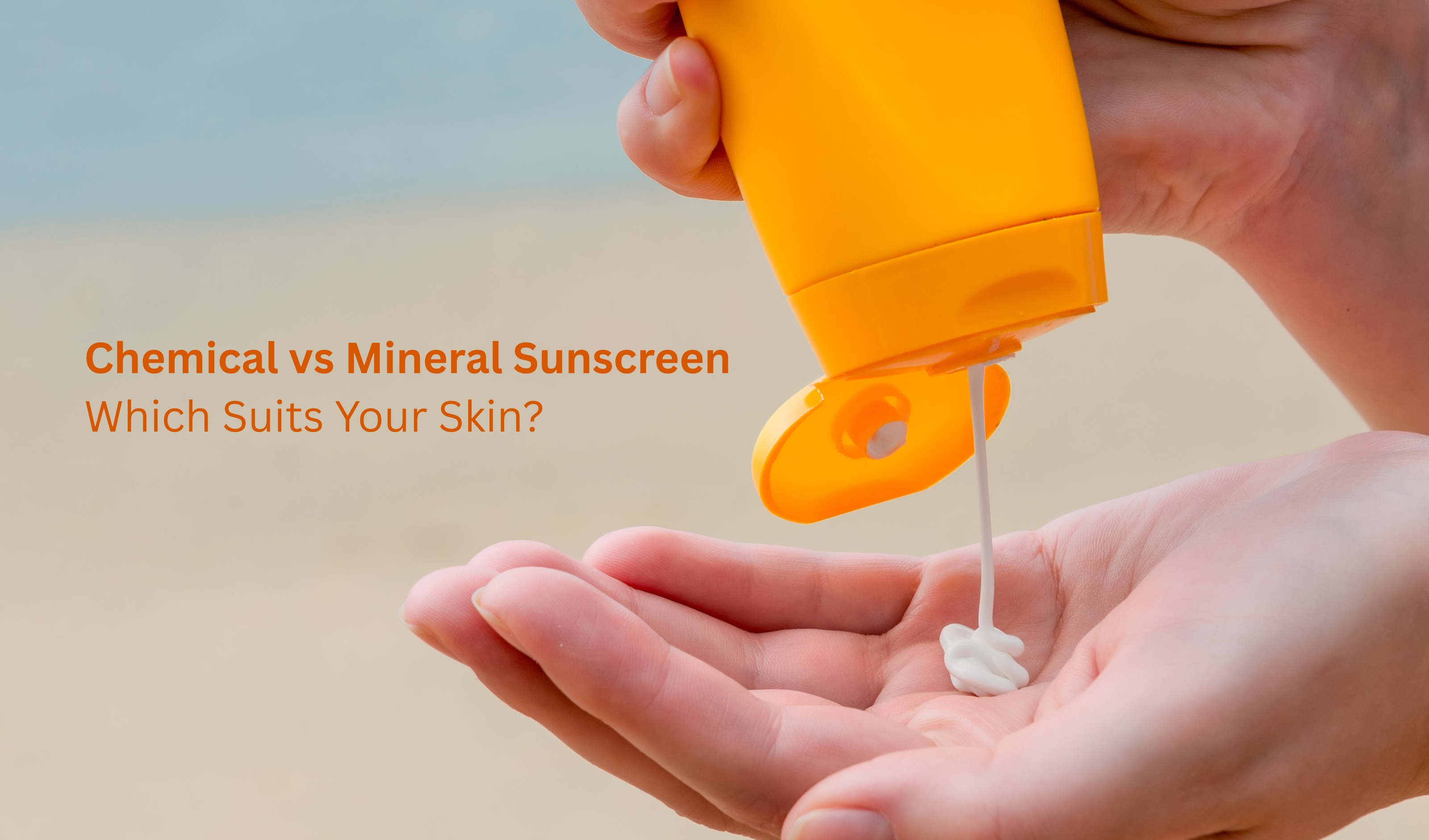
You know sunscreen is essential. But standing in the skincare aisle, you're faced with a confusing choice. Chemical or mineral? Physical or organic? The labels don't make it easier. Understanding the chemical vs mineral sunscreen debate helps you choose protection that actually works for your skin.
Both types block UV rays effectively. The difference lies in how they work, how they feel, and how your skin reacts to them. Let's break down everything you need to know to make the right choice.
How Chemical Sunscreen Works
Chemical sunscreens contain organic compounds that absorb UV radiation. When UV rays hit your skin, these filters absorb the energy and convert it to heat, which then dissipates harmlessly.
Common chemical filters include avobenzone, oxybenzone, octinoxate, and homosalate. These ingredients blend invisibly into skin, leaving no white residue. They tend to feel lightweight and work well under makeup.
Chemical sunscreens need about 15 to 20 minutes to become effective after application. The filters must absorb into your skin before they can protect you. They also break down faster with sun exposure, requiring more frequent reapplication.
How Mineral Sunscreen Works
Mineral sunscreen, also called physical sunscreen, uses inorganic compounds that sit on top of your skin. Instead of absorbing UV rays, these filters reflect and scatter them away from your skin like tiny mirrors.
Only two ingredients qualify as mineral filters: zinc oxide and titanium dioxide. Both provide broad-spectrum protection. Zinc oxide protects against the full UVA and UVB spectrum, while titanium dioxide is slightly better at blocking UVB rays.
Mineral sunscreen for the face works immediately upon application. There's no waiting period because the protection is physical, not chemical. These formulas also tend to be more stable and don't break down as quickly in sunlight.
The Key Differences at a Glance
Understanding the difference between physical and chemical sunscreen helps you match protection to your needs.
Chemical sunscreens absorb UV rays while mineral sunscreens reflect them. Chemical formulas blend invisibly but require activation time. Mineral formulas work instantly but can leave a white cast on deeper skin tones. Modern formulations have improved significantly, with many mineral sunscreens now offering sheer, lightweight finishes.
When it comes to skin feel, chemical sunscreens are typically thinner and absorb quickly. Mineral sunscreens can feel thicker, though newer versions use micronised particles for better texture. For sensitive or reactive skin, mineral sunscreen for the face is generally the safer choice.
Which Is Better for Your Skin Type?
The mineral or chemical sunscreen choice depends largely on your skin's specific needs.
Sensitive Skin
Mineral sunscreen wins here. Chemical filters can cause stinging, redness, and allergic reactions in reactive skin. Zinc oxide and titanium dioxide are gentler and less likely to irritate. They also have natural soothing properties that benefit sensitive complexions.
Oily and Acne-Prone Skin
Both types can work, but choose carefully. Some chemical sunscreens feel lighter, which oily skin appreciates. However, certain chemical filters can trigger breakouts. Look for non-comedogenic formulas regardless of type. Many people with acne-prone skin actually prefer zinc oxide, which has mild antibacterial properties.
Dry Skin
Chemical sunscreens often contain hydrating ingredients that dry skin welcomes. Mineral sunscreens can sometimes emphasise dry patches. If you prefer mineral protection, ensure your skincare routine includes proper hydration beforehand. Layer a good serum like the COSRX Advanced Snail 96 Mucin Power Essence under your sunscreen.
Darker Skin Tones
The white cast from mineral sunscreens has historically been a problem. Modern tinted mineral formulas solve this issue beautifully. Look for mineral sunscreens with iron oxides that blend into deeper complexions without ashy residue.
Considerations for the Indian Climate
India's humid weather affects how sunscreen performs. Heavy formulas feel uncomfortable and can slide off with sweat.
According to the Indian Journal of Dermatology, Indian skin requires particular attention to both UV protection and hyperpigmentation prevention. Chemical sunscreens may feel more comfortable in humidity, but mineral sunscreens offer better stability in heat.
For humid conditions, look for water-resistant formulas regardless of type. Gel-based chemical sunscreens absorb quickly without heaviness. Lightweight mineral sunscreens with silica help control shine throughout the day.
Application Tips for Best Protection
How you apply sunscreen matters as much as which type you choose.
Use enough product. Most people underapply, dramatically reducing protection. For your face, aim for about half a teaspoon. Apply to clean, moisturised skin. A good toner and moisturiser create a smooth base.
Chemical sunscreens need 15 to 20 minutes before sun exposure. Mineral sunscreens work immediately. Both types require reapplication every two hours during sun exposure, or immediately after swimming or sweating.
Don't forget often-missed areas like ears, neck, and hairline. These spots show sun damage and aging just as much as your face.
Can You Combine Both Types?
Many modern sunscreens blend chemical and mineral filters. These hybrid formulas offer the cosmetic elegance of chemical sunscreens with the gentle, stable protection of mineral filters. They're a good middle ground if you want benefits from both categories.
If you layer separate products, apply mineral sunscreen as your final skincare step. Chemical sunscreen goes on before mineral sunscreen if you're using both, allowing the chemical filters to absorb properly.
Kind Choices for Sun Protection
At Kindlife, we understand that sun protection is personal. Our curated skincare collection features gentle cleansers, hydrating serums, and barrier-supporting products that prep your skin for comfortable sunscreen application.
Build a routine that makes daily sun protection effortless.
FAQs
What is mineral sunscreen?
Mineral sunscreen uses zinc oxide or titanium dioxide to physically block UV rays. These ingredients sit on top of your skin and reflect radiation away rather than absorbing it as chemical filters do.
What is physical sunscreen?
Physical sunscreen is another name for mineral sunscreen. Both terms refer to formulas using zinc oxide or titanium dioxide that create a physical barrier against UV rays on your skin's surface.
What are the different types of sunscreen?
- Chemical sunscreens absorb UV rays using organic compounds like avobenzone
- Mineral sunscreens reflect UV rays using zinc oxide or titanium dioxide
- Hybrid sunscreens combine both chemical and mineral filters
Do dermatologists prefer chemical or mineral sunscreen?
- For sensitive, reactive, or acne-prone skin, most dermatologists recommend mineral.
- For daily cosmetic use, either type works when properly formulated
- The best sunscreen is the one you'll actually use consistently
Which is the longest-lasting sunscreen?
Mineral sunscreens are more photostable, meaning they don't break down as quickly in sunlight. However, all sunscreens require reapplication every two hours during sun exposure, regardless of type.
7 Signs Your Eyes Are Aging Faster Than You Think

Your eyes reveal more than you realise. While you're checking for grey hairs and forehead lines, the delicate skin around your eyes might be aging faster than the rest of your face. Under-eye wrinkles often appear before other signs of aging, and catching them early makes treatment far more effective.
The skin around your eyes is the thinnest on your entire body. It lacks oil glands, has minimal fat padding, and moves constantly with every blink and expression. No wonder it shows wear first. Here are seven signs that your eye area needs attention now.
Sign 1: Fine Lines When You Smile
Smile lines around your eyes are charming. But when those lines stick around after your smile fades, that's an early warning. These expression lines are forming permanent creases in your skin. The collagen and elastin that normally bounce back are weakening.
According to research in Clinical, Cosmetic and Investigational Dermatology, the periorbital area shows aging signs earlier due to its unique structural characteristics. Addressing these fine lines now prevents deeper under-eye wrinkles later.
Sign 2: Crepe-Like Texture
Run your finger gently under your eye. Does the skin feel thin, papery, or slightly rough? This crepe-like texture indicates dehydration and collagen loss. Healthy young skin feels plump and smooth. When that texture changes, your skin barrier is compromised.
Hydrating serums help restore moisture. The COSRX Advanced Snail 96 Mucin Power Essence repairs and hydrates without irritating the delicate eye area.
Sign 3: Dark Circles Getting Darker
Dark circles have many causes, but worsening discoloration often signals thinning skin. As the under-eye area loses volume, blood vessels become more visible. The hollowing creates shadows that make up struggles to cover.
Vitamin C helps brighten this area. The Klairs Freshly Juiced Vitamin Drop gently addresses pigmentation, though avoid applying it too close to your eyes.
Sign 4: Puffiness That Doesn't Fade
Morning puffiness is normal. Puffiness that lingers all day is not. As skin loses elasticity, fluid accumulates more easily and drains more slowly. Fat pads that normally stay put can shift, creating permanent bags.
Caffeine and peptides in eye treatments help with drainage and firming. The Revive Eye Serum with Ginseng and Retinal targets multiple signs of eye aging, including puffiness and fine lines.
Sign 5: Visible Blood Vessels
Can you see tiny blood vessels through your under-eye skin? This transparency indicates significant thinning. Younger, thicker skin conceals what lies beneath. When vessels show through, your skin has lost structural density.
Sign 6: Makeup Settling Into Lines
Your concealer used to glide on smoothly. Now it creases within hours, settling into lines you didn't know existed. This happens when fine lines have formed grooves that trap product. If your makeup reveals lines rather than hiding them, those under-eye wrinkles need attention.
Sign 7: Dryness Despite Moisturising
You're applying eye cream religiously, but the area still feels tight and dry. This persistent dryness suggests your skin barrier is damaged and can't retain moisture properly. No amount of product helps until you repair that barrier.
How to Get Rid of Under-Eye Wrinkles
Treating the eye area requires gentle yet effective approaches. Harsh products irritate this delicate skin, making things worse.
Start with Prevention
Sunscreen is non-negotiable. UV damage causes up to 80% of visible aging, and the thin eye area is particularly vulnerable. Wear sunglasses to reduce squinting, which creates expression lines. Stay hydrated and get enough sleep since both affect skin plumpness.
Choose the Right Ingredients
The best eye creams for wrinkles contain proven actives in gentle formulations. Retinol boosts collagen production and cell turnover. Start with low concentrations to avoid irritation. Peptides signal skin to produce more collagen without the sensitivity that retinol can cause.
Hyaluronic acid and snail mucin provide hydration that plumps fine lines immediately. The Skin1004 Madagascar Centella Tone Brightening Capsule Ampoule soothes while delivering hydration, though use it carefully around the eye area.
Application Matters
Never tug or pull the eye area. Use your ring finger for the gentlest touch. Pat products in rather than rubbing. Apply eye treatments on your orbital bone, not directly under the lash line, and let the product migrate naturally.
Under Eye Wrinkle Treatment Options
Topical products work best for prevention and early lines. The best eye creams for wrinkles combine hydrating ingredients with actives that stimulate collagen.
For deeper wrinkles, professional treatments like radiofrequency, microneedling, or laser resurfacing can help. These stimulate collagen production at deeper levels than topical products reach. Consult a dermatologist to discuss options suited to your concerns and skin type.
Kind Choices for Your Eyes
At Kindlife, we bring you gentle yet effective formulas for the delicate eye area. Our curated skincare collection features hydrating serums and targeted treatments from trusted Korean and global brands.
Give your eyes the attention they deserve before those early signs become permanent.
FAQs
What is the best treatment for under-eye wrinkles?
A combination approach works best. Use retinol or peptide eye creams nightly, hydrate with hyaluronic acid, protect with sunscreen daily, and consider professional treatments for deeper lines that topicals can't fully address.
What factors contribute most to under-eye wrinkles?
Sun exposure, repetitive expressions like squinting, dehydration, lack of sleep, and natural collagen loss with age all contribute. Genetics also plays a role in how early and severely wrinkles develop.
What is the best non-surgical treatment for under-eye wrinkles?
- Radiofrequency and microneedling stimulate collagen without surgery
- Chemical peels improve texture and fine lines
- Injectable fillers can restore lost volume that causes shadowing
Are eye creams really necessary for treating under-eye wrinkles?
- Yes, the eye area needs specialised formulas
- Regular moisturisers may be too heavy or contain irritating ingredients
- Eye creams are tested for safety around this delicate, sensitive area
Can you prevent under-eye wrinkles?
Prevention is absolutely possible. Wear sunscreen and sunglasses daily. Start using eye cream in your mid-20s. Stay hydrated, sleep adequately, and avoid rubbing your eyes. These habits significantly delay when wrinkles appear.
Comments
No posts found


