


 All orders







5 Tips to Identify and Treat Dehydrated Skin

Your skin looks dull. It feels tight even after moisturising. Fine lines seem to have appeared overnight. You might think you have dry skin, but the real culprit could be dehydration. Learning how to treat dehydrated skin starts with understanding what's actually happening beneath the surface.
Dehydrated skin isn't a skin type. It's a temporary condition that can affect anyone, whether you're normally oily, dry, or somewhere in between. The good news? With the right approach, you can restore your skin's moisture balance within weeks.
Dehydrated vs Dry Skin: The Key Difference
Before diving into dehydrated skin treatment, let's clear up a common confusion. Dry skin lacks oil. Dehydrated skin lacks water. They're not the same thing, and treating one like the other won't fix your problem.
Dry skin is a skin type you're born with. It produces less sebum and often feels rough or flaky. Dehydrated skin is a condition caused by external factors like weather, diet, or harsh products. Your skin can be oily and dehydrated at the same time, which is why some people experience breakouts alongside tightness.
According to the International Journal of Cosmetic Science, skin hydration depends on the balance between water content and the skin's ability to retain that moisture. When this balance is disrupted, dehydration symptoms appear.
Signs of Dehydrated Skin
Recognising dehydrated skin symptoms early helps you address the issue before it worsens. Here's what to look for.
Dullness and Lack of Radiance
Hydrated skin reflects light beautifully. When water content drops, your complexion looks flat and tired. If your skin has lost its natural glow despite using brightening products, dehydration might be the underlying cause.
Increased Sensitivity
Dehydrated skin has a compromised moisture barrier. This makes it more reactive to products that normally don't cause issues. You might notice stinging, redness, or irritation from your routine.
Fine Lines and Tightness
Dehydration lines are different from wrinkles. They appear suddenly, often in clusters, and look like tiny crepe-like folds. Your skin also feels tight, especially after cleansing. These signs of dehydrated skin often disappear once hydration is restored.
Oiliness with Tightness
This confusing combination is a classic dehydration sign. When skin lacks water, it sometimes overproduces oil to compensate. You end up with a shiny T-zone that still feels uncomfortable.
How to Treat Dehydrated Skin: 5 Essential Tips
Restoring hydration requires adjustments to both your products and habits. Here's your dehydrated skin treatment plan.
Tip 1: Switch to a Gentle Cleanser
Harsh cleansers strip your skin of natural oils and water. For dehydrated skin, choose cream or gel cleansers that clean without that tight feeling. The Numbuzin No.2 Deep Clean Fresh Cream Cleanser removes impurities while maintaining moisture. The Round Lab 1025 Dokdo Cleanser uses mineral-rich deep sea water for gentle, hydrating cleansing.
Tip 2: Add a Hydrating Toner
Toners with hyaluronic acid or centella prep your skin to absorb everything that follows. Apply to damp skin and pat in gently. Layer two to three times using the Korean 7-skin method for intense hydration. This step alone can dramatically improve dehydrated skin symptoms.
Tip 3: Use Water-Based Serums
Serums deliver concentrated hydration directly to your skin. The COSRX Advanced Snail 96 Mucin Power Essence is exceptional for dehydrated skin. Snail mucin repairs the moisture barrier while providing deep hydration. For added soothing, the Skin1004 Madagascar Centella Tone Brightening Capsule Ampoule calms irritation while restoring water content.
Tip 4: Seal with the Right Moisturiser
Hydrating ingredients draw water into your skin, but you need an occlusive layer to keep it there. Choose moisturisers with ceramides, squalane, or shea butter that lock in all the hydration from your previous steps. Apply while your serum is still slightly tacky for best absorption.
Tip 5: Hydrate from Within
No amount of topical products can fix dehydration if you're not drinking enough water. Aim for at least eight glasses daily. Reduce caffeine and alcohol, which are dehydrating. Eat water-rich foods like cucumbers, watermelon, and oranges.
Ingredients That Restore Hydration
When shopping for dehydrated skin treatment products, look for these ingredients.
Hyaluronic acid holds up to 1000 times its weight in water. It plumps and hydrates without heaviness. The 6 Peptide Skin Booster Serum combines peptides with hydrating actives for multiple benefits.
Snail mucin repairs barrier damage while delivering moisture. Centella asiatica calms inflammation that often accompanies dehydration. Glycerin and squalane provide lasting hydration without clogging pores.
Avoid alcohol-heavy products, strong exfoliating acids, and harsh retinols until your skin recovers. These can worsen dehydration and delay healing.
How Long Does Recovery Take?
With consistent care, most people notice improvement within one to two weeks. Your skin should feel more comfortable and less tight. Full barrier repair and restored radiance typically take four to six weeks. Be patient and resist the urge to add too many new products at once.
Kind Choices for Hydrated Skin
At Kindlife, we understand that dehydrated skin needs gentle, effective solutions. Our curated skincare collection features hydrating toners, nourishing serums, and barrier-repairing formulas from trusted Korean and global brands.
Restore your skin's moisture balance and get your glow back.
FAQs
How to treat dehydrated skin?
Use gentle cleansers, layer hydrating toners, apply water-based serums like hyaluronic acid or snail mucin, seal with a moisturiser containing ceramides, and drink plenty of water throughout the day.
Can dehydration cause breakouts?
Yes. When skin lacks water, it often overproduces oil to compensate. This excess sebum can clog pores and lead to breakouts. Hydrating properly can actually help reduce acne in dehydrated skin.
What are the signs of dehydrated skin?
- Dullness, tightness, and increased sensitivity
- Fine lines that appear suddenly in clusters
- Oily yet uncomfortable skin, especially in the T-zone
How to do a skin pinch test for dehydration?
- Gently pinch the skin on your cheek or the back of your hand
- Release and observe how quickly it bounces back
- If it takes more than a second to return to normal, your skin may be dehydrated
What is the difference between hydrated and dehydrated skin?
Hydrated skin has adequate water content, feels plump, and reflects light well. Dehydrated skin lacks water, feels tight, looks dull, and may show fine lines even on young skin. Unlike dry skin, dehydration is temporary and treatable.
5-Minute Skincare Routine That Heals Sensitive Dry Skin

Your skin feels tight after washing. Products that work for everyone else leave you red and irritated. Finding skincare for dry and sensitive skin that actually soothes rather than stings can feel impossible. But here's the good news: you don't need a complicated 10-step routine. You need the right steps done gently.
Sensitive dry skin has a damaged moisture barrier. This means water escapes easily and irritants get in. The goal isn't adding more products. It's choosing fewer, gentler formulas that repair and protect. Five minutes is all you need when you know what works.
Why Less Is More for Sensitive Dry Skin
Every product you apply is a potential irritant. For sensitive skin, minimising steps reduces the chance of a reaction. According to the American Academy of Dermatology, people with sensitive skin should use fragrance-free products and limit their routine to essential steps only.
Dry sensitive skin needs three things: gentle cleansing that doesn't strip, hydration that penetrates deeply, and a protective barrier that locks everything in. That's your entire routine. No exfoliating acids, no harsh actives, no complicated layering. Just simple, soothing skincare for dry and sensitive skin that lets your barrier heal.
Step 1: Gentle Cleansing (1 Minute)
Start with a cleanser that doesn't foam heavily. Foaming cleansers often contain sulfates that strip natural oils, leaving sensitive skin even drier. Cream, milk, or gentle gel cleansers work better.
The Numbuzin No.2 Deep Clean Fresh Cream Cleanser offers thorough cleansing without that tight, uncomfortable feeling. For an even gentler option, the Round Lab 1025 Dokdo Cleanser uses mineral-rich deep sea water that cleanses while maintaining hydration.
Use lukewarm water, never hot. Hot water damages an already compromised skin barrier. Massage for about 30 seconds and rinse gently. Pat dry with a soft towel rather than rubbing.
Step 2: Soothing Toner (1 Minute)
Skip alcohol-based toners entirely. For sensitive dry skin, your toner should add hydration, not remove it. Look for ingredients like centella asiatica, panthenol, or low-molecular-weight hyaluronic acid.
Apply toner while your face is still slightly damp. Pat it in with your hands rather than using cotton pads, which can tug at delicate skin. The goal is to add the first layer of moisture that your serum will build on.
Toners with heartleaf or chamomile calm redness and prepare your skin for the next step without irritating it.
Step 3: Hydrating Serum (1.5 Minutes)
This is where real healing happens. A hydrating serum delivers concentrated ingredients that repair your moisture barrier and plump dehydrated skin.
The COSRX Advanced Snail 96 Mucin Power Essence is a favourite for sensitive dry skin. Snail mucin repairs, hydrates, and soothes without causing reactions. Its texture absorbs smoothly and leaves skin bouncy rather than sticky.
For added calming benefits, the Skin1004 Madagascar Centella Tone Brightening Capsule Ampoule delivers concentrated centella that reduces redness while hydrating. Use two to three drops, warm between your fingertips, and press gently into your skin.
Step 4: Protective Moisturiser (1.5 Minutes)
Your moisturiser seals everything in. For skincare for dry and sensitive skin, choose rich, occlusive formulas that create a protective barrier. Ingredients like ceramides, squalane, and shea butter repair and prevent moisture loss.
Apply while your serum is still slightly tacky. This layering technique, called the "moist-lock" method, traps hydration in your skin rather than letting it evaporate. Use gentle pressing motions rather than rubbing.
In the morning, follow with a mineral sunscreen. Chemical sunscreens can irritate sensitive skin, so look for zinc oxide or titanium dioxide formulas.
Morning vs Evening Adjustments
Your 5-minute routine stays the same, with small adjustments for time of day.
In the morning, use a lighter moisturiser if your skin feels oily by midday. Always finish with sunscreen since a damaged barrier is more vulnerable to UV damage.
At night, you can use a richer moisturiser or add a thin layer of facial oil as the final step. Your skin repairs itself overnight, so giving it extra nourishment makes sense. Some people skip cleansing in the morning entirely and just rinse with water, which works well for very dry, sensitive skin.
Ingredients to Avoid
Knowing what to skip is as important as knowing what to use. Sensitive dry skin reacts badly to fragrances, both synthetic and natural essential oils. Alcohol in high concentrations strips moisture. Strong actives like retinol, AHA, and BHA can irritate when your barrier is compromised.
Avoid products with long ingredient lists. The more ingredients, the higher the chance of a reaction. Simple formulas with recognisable ingredients work best for reactive skin.
Once your barrier heals over several weeks, you might slowly introduce gentle actives. But during the healing phase, stick to hydration and protection only.
Kind Choices for Sensitive Skin
At Kindlife, we understand that sensitive dry skin needs gentle solutions. Our curated skincare collection features soothing cleansers, calming toners, and hydrating serums from trusted Korean and global brands. You'll find formulas designed for reactive skin that work beautifully in Indian weather.
Give your skin the gentle care it deserves and watch your barrier heal.
FAQs
How long does it take for sensitive dry skin to heal?
With consistent gentle care, most people notice improvement within two to four weeks. Complete barrier repair can take six to eight weeks. Patience and consistency matter more than adding extra products.
Can I use vitamin C on sensitive dry skin?
Start with low concentrations like 5% and patch test first. The Klairs Freshly Juiced Vitamin Drop is formulated for sensitive skin. Introduce it slowly, perhaps twice a week, and see how your skin responds.
Should I exfoliate if I have dry, sensitive skin?
- Avoid physical scrubs and strong chemical exfoliants while your barrier is compromised.
- Once healed, gentle enzyme exfoliants can be used occasionally
- Listen to your skin and stop if you notice redness or irritation
Why does my skin sting when I apply products?
- Stinging indicates a damaged moisture barrier
- Simplify your routine to cleanser, hydrating serum, and moisturiser only
- Avoid any products with fragrance, alcohol, or active ingredients until stinging stops
Is it okay to skip toner in a minimal routine?
Yes. If your skin is extremely reactive, you can simplify to just cleanser, serum, and moisturiser. Add toner back once your skin feels more comfortable. The goal is healing, not completing steps.
How to Build a 5‑Step Routine Using Only Korean Beauty Products
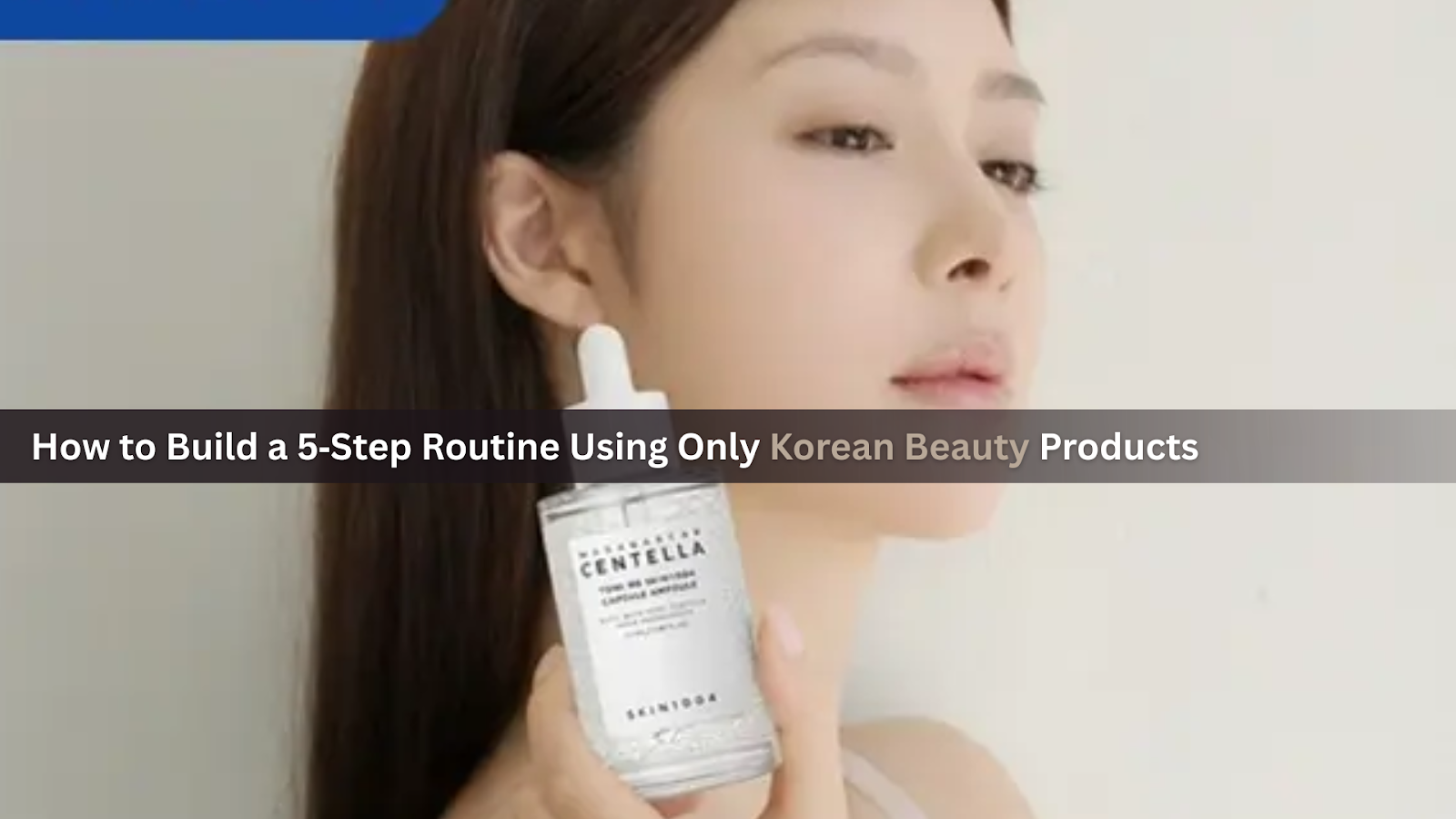
You have probably seen those glass skin selfies flooding your Instagram. Korean beauty products have taken over, and for good reason. But here is the thing: you do not need a 10-step routine to get results.
A simplified 5-step Korean beauty routine can give you healthier, more radiant skin without eating up your entire morning. K-beauty products are designed with hydration and long-term skin health in mind, which works beautifully for Indian skin concerns like pigmentation and dullness.
According to a study, K-beauty sales in India are projected to reach USD 1.5 billion by 2030. That shift shows how many people are discovering what Korean skincare can do.
Why a 5-Step Routine Works Better
Not everyone has 20 minutes to layer seven products every night. Korean skincare is really about consistency and using the right products, not about doing the most. A streamlined routine covers all the essentials: cleansing, hydrating, treating, moisturising, and protecting. For Indian skin, lightweight formulas work better than heavy layering.
The 5 Korean Beauty Routine Steps
Step 1: Cleanse
A clean canvas is non-negotiable. Korean cleansers are famously gentle. A low pH gel cleanser works wonderfully for oily skin. For dry skin, oil-based options are better.
If you wear makeup or sunscreen, consider double cleansing. Start with a calendula cleansing oil or gentle black cleansing oil to dissolve makeup. Follow with rice water foam to remove residue.
Step 2: Tone
Korean toners are hydrating liquids that balance your skin's pH and prep it to absorb serums better. Look for toners with hyaluronic acid for hydration, centella asiatica for calming, or niacinamide for brightness. Apply to your palms and pat gently into your skin.
Step 3: Treat
Here is where you customise. For pigmentation, a dark spot correcting serum or vitamin C drops brighten skin tone. For sensitivity, a centella ampoule calms inflammation. For anti-aging, a peptide booster serum supports firmness. Start with one serum and see how your skin responds.
Step 4: Moisturise
Moisturiser hydrates and locks in your treatments. Gel moisturisers work best in humid weather. Cream textures suit dry skin or cooler climates.
An advanced snail cream provides intense hydration with skin-repairing benefits. For extra nourishment, a black snail collagen cream or panthenol shield cream strengthens your skin barrier.
Step 5: Protect
Sun protection is not optional. UV exposure causes pigmentation and premature aging. Korean sunscreens are lightweight and leave no white cast. Look for SPF 50+ and PA++++ for broad-spectrum protection.
A centella sun serum or an aloe sun cream gives protection without heaviness. For sensitive skin, try a physical sunscreen. Want coverage with protection? An illuminating blemish cream or green grape sunscreen offers both.
Making K-Beauty Work for Indian Skin
Korean products are formulated for colder, drier climates. Skip heavy layering in humid weather and go lighter during the monsoon. Never skip sunscreen since the Indian sun is intense year-round. Focus on ingredients like niacinamide, vitamin C, and arbutin for pigmentation concerns.
Your Kind Source for K-Beauty
If you are wondering where to buy Korean beauty products in India, we have you covered. At Kindlife, we source directly from brands to ensure 100% authenticity. Our collection of the best Korean beauty products is curated with clean, cruelty-free, and sustainable options. With over 800 brands, you can build your entire routine in one place.
Final Thoughts
Building a Korean skincare routine does not have to feel overwhelming. Start with these five Korean beauty routine steps, be consistent, and pay attention to how your skin responds. Your future self will thank you.
Start building your K-beauty routine today.
FAQs
How long before I see results from a Korean skincare routine?
Most people notice improved hydration within a week. For concerns like pigmentation or fine lines, give your routine at least four to six weeks of consistent use.
Can I mix Korean products with my existing skincare?
Yes. Korean skincare works well with other products. Just avoid using vitamin C and retinol in the same routine. Layer products from thinnest to thickest consistency.
Is a 5-step routine enough for anti-aging?
- Consistency matters more than the number of steps
- Sunscreen, antioxidants, and moisturiser cover anti-aging basics
- Add targeted treatments later if needed
Do I need to follow the same routine every day?
- Your skin changes based on the weather, hormones, and stress
- Some days you might skip serum or add extra hydration
- Listen to your skin and adjust accordingly
What makes Korean sunscreens different from Western ones?
Korean sunscreens use modern UV filters that feel lightweight and leave no white cast. They often include skincare ingredients like centella or hyaluronic acid and offer SPF 50+ with a PA++++ rating.
Snail Mucin for Skin: Benefits and How to Use It
A snail's secretion on your face might sound strange, but COSRX snail mucin has become one of the most talked-about ingredients in K-beauty. And for good reason. This humble ingredient hydrates, repairs, and soothes skin like few others can. If you've been curious about what the fuss is all about, let's break down everything you need to know.
Snail Mucin Meaning: What Actually Is It?
Snail mucin, also called snail secretion filtrate, is the slime that snails produce to protect and repair their own skin. When a snail moves across rough surfaces, this mucin shields it from cuts and infections while keeping its body hydrated.
Scientists discovered that the same properties work beautifully on human skin. Snail mucin contains a powerful combination of glycoproteins, hyaluronic acid, glycolic acid, and zinc. These compounds work together to hydrate, repair damaged tissue, and support collagen production.
The snail mucin used in skincare is collected ethically. Snails are placed on mesh surfaces in dark, calm environments where they naturally produce mucin without harm. The secretion is then filtered and purified for cosmetic use.
Snail Mucin Benefits for Skin
The snail mucin benefits extend across multiple skin concerns, making it one of the most versatile ingredients available.
Deep Hydration Without Heaviness
Snail mucin contains natural hyaluronic acid that draws moisture into your skin. Unlike heavy creams that sit on the surface, snail mucin absorbs quickly and hydrates from within. Your skin feels plump and bouncy, not greasy. This makes it perfect for all skin types, including oily and combination skin.
Skin Barrier Repair
A damaged moisture barrier leads to dryness, sensitivity, and irritation. According to research published in the Journal of Drugs in Dermatology, snail mucin supports skin barrier function and helps repair compromised skin. The glycoproteins and zinc in snail mucin accelerate healing and strengthen your skin's natural defences.
Soothing Irritation and Redness
If your skin gets red, irritated, or inflamed easily, snail mucin benefits for skin include powerful calming properties. It reduces redness without causing further sensitivity. Many people with reactive skin find that snail mucin is one of the few ingredients they can tolerate.
Fading Scars and Hyperpigmentation
Snail mucin promotes cell turnover and regeneration. Over time, this helps fade acne scars, dark spots, and uneven texture. The glycolic acid content provides gentle exfoliation without the irritation of stronger acids.
Anti-Aging Support
Collagen production naturally decreases with age. Snail mucin stimulates collagen synthesis, which helps reduce fine lines and keeps skin firm. The hydration boost also plumps skin, making wrinkles less noticeable.
Best Snail Mucin Products
When it comes to snail mucin, concentration and formulation matter.
COSRX Advanced Snail 96 Mucin Power Essence
The COSRX Advanced Snail 96 Mucin Power Essence is the gold standard. With 96% snail secretion filtrate, this essence delivers maximum snail mucin benefits in a lightweight, absorbing formula. It layers beautifully under moisturiser and works for every skin type.
The texture is slightly viscous but not sticky. It sinks into skin within seconds, leaving behind a dewy, hydrated finish. Many users notice improved texture and reduced redness within the first week.
Complementary Products
For enhanced results, pair your snail mucin with other gentle actives. The Skin1004 Madagascar Centella Tone Brightening Capsule Ampoule works well alongside COSRX snail mucin for calming and brightening. For vitamin C benefits, the Klairs Freshly Juiced Vitamin Drop can be used in the morning, while snail mucin works its magic at night.
How to Use Snail Mucin in Your Routine
Snail mucin fits into the serum or essence step of your routine, after cleansing and toning, but before moisturiser.
Start with clean, slightly damp skin. Dispense two to three pumps of COSRX snail mucin onto your fingertips. Warm the product between your hands, then press gently into your face. Pat rather than rub to encourage absorption. Wait about 30 seconds before applying your moisturiser to seal everything in.
You can use snail mucin both morning and night. In the morning, follow with sunscreen. At night, layer with a richer moisturiser for overnight repair.
Adapting to Indian Weather
In humid Indian climates, snail mucin's lightweight texture is a major advantage. It provides hydration without heaviness, making it comfortable even in monsoon weather. During dry winters, layer your COSRX snail mucin twice for extra moisture, or follow with a richer face serum.
For oily skin in humidity, snail mucin might be all the hydration you need. You can skip heavy moisturisers and let the essence do the work.
Kind Choices for Your Skin
At Kindlife, we bring you trusted K-beauty products like the COSRX Advanced Snail 96 Mucin Power Essence. Our curated skincare collection features formulas that deliver real results for Indian skin and weather conditions.
Give snail mucin a try and let your skin experience the difference.
FAQs
What is COSRX snail mucin used for?
COSRX snail mucin hydrates, repairs skin barrier damage, soothes irritation, and fades scars. It works for all skin types and addresses multiple concerns in one lightweight formula.
Can you use COSRX snail mucin every day?
Yes, snail mucin is gentle enough for twice-daily use. Apply morning and night after cleansing and toning. Consistent daily use delivers the best results for hydration and repair.
What is the best way to apply snail mucin?
- Apply two to three pumps on clean, slightly damp skin
- Pat gently into your face rather than rubbing
- Wait 30 seconds before applying moisturiser to seal in benefits
How long does it take snail mucin to work?
- Hydration improves immediately after the first use
- Reduced redness and improved texture appear within one to two weeks
- Scar fading and anti-aging benefits take four to eight weeks of consistent use
What ingredients should I avoid when using COSRX snail mucin?
Snail mucin pairs well with most ingredients. However, avoid using it with high-concentration vitamin C or strong acids like glycolic or salicylic in the same routine. Layer these at different times of day to prevent irritation.
K-Beauty Makeup for Korean Glow: A Layering Guide
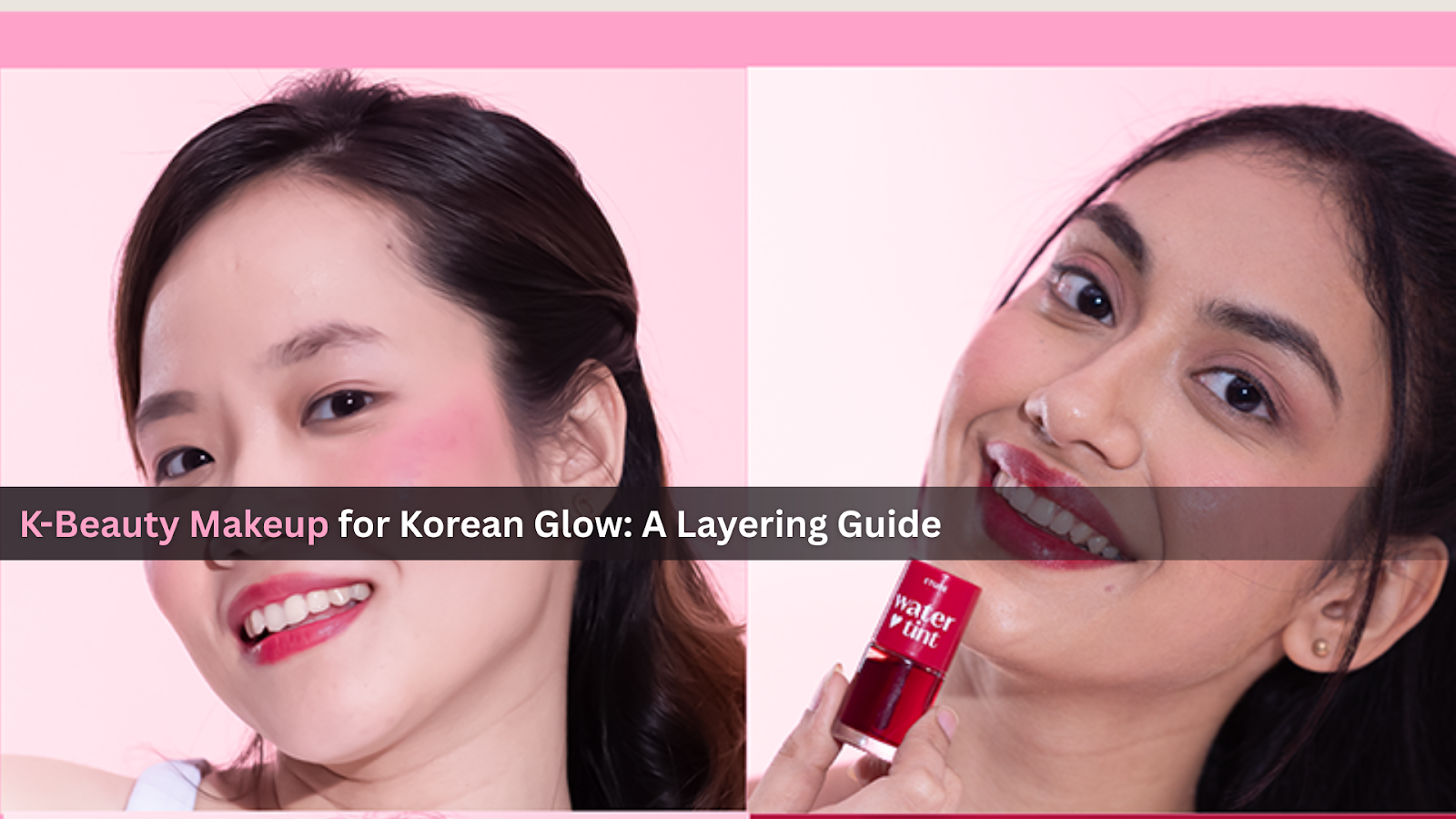
You've seen it on your favourite K-drama stars. That luminous, almost translucent skin that seems to glow from within. Good news? You can achieve K-beauty makeup for a Korean glow at home. And it all comes down to one word: layering.
Korean beauty isn't about caking on products. It's about building thin, strategic layers that work together. Each layer serves a purpose. Each step brings you closer to that signature radiance.
Why Layering Is the Heart of K-Beauty
Korean women approach makeup differently. The goal isn't to mask your skin. It's to enhance what you already have.
According to Grand View Research, the global K-beauty market reached USD 91.99 billion in 2024. Why? Because the results speak for themselves.
Layering works because different textures penetrate your skin at various levels. Thin layers absorb better than one thick application. Each product targets different concerns. The final look appears like healthy skin, not heavy makeup.
The K-Beauty Makeup Routine: Step-by-Step
Before any makeup touches your face, your skin needs proper prep. Korean makeup artists spend more time on skincare than on the actual makeup.
Prep Your Canvas
Start with clean, well-hydrated skin. Apply your hydrating toner in light pats. Follow with an essence or serum containing niacinamide or hyaluronic acid for that plump, bouncy quality. Wait a few minutes and let everything absorb fully.
The Glow Primer
A glow primer or tone-up cream sets the stage. Apply a thin layer using your fingertips. Focus on the high points of your face where light naturally hits.
Light Coverage Base
Korean women rarely use heavy foundation. They opt for cushion compacts or skin tints that let natural texture show through. Apply your cushion foundation with a light hand. Tap, don't swipe. The goal is "your skin but better."
Concealer and Setting
A good K-beauty makeup routine keeps concealer minimal. Dab a tiny amount on dark circles or blemishes and blend with your ring finger.
Here's a crucial difference: you don't powder your entire face. Use a lightweight setting powder only on your T-zone. Leave your cheeks dewy and luminous.
Cream Highlighter for Glass Skin
For that glass skin effect, cream highlighter is essential. Apply it to your cheekbones, nose bridge, and brow bones. Pat gently. The finish should look like a natural sheen, not glitter.
Best K-Beauty Makeup Products for the Glow
Not all products deliver equal results. When building your K-beauty kit, look for the best K-beauty makeup products that prioritise hydration and buildable coverage.
For your base, choose cushion compacts with dewy finishes, tone-up creams with light-reflecting particles, and lightweight primers. For your cheeks, cream blushes blend seamlessly, and liquid highlighters create a natural sheen.
For your lips, tinted lip oils give a glossy finish while keeping lips nourished. Cream lipsticks in soft, muted shades and gradient lip products create that signature just-bitten look. Don't forget your eyes either. Soft, shimmery shadows in neutral tones complement the dewy skin beautifully.
The Butter Skin Trend: What's New in 2026
Glass skin had its moment. Now, Korean beauty is moving toward butter skin. The difference? Butter skin still looks hydrated but softer. Think of butter melting on warm toast. Smooth, with a gentle sheen. Not greasy, just nourished.
To achieve butter skin, use a satin-finish foundation instead of a dewy one. Skip the highlighter on your nose tip. Focus on skin prep more than makeup application.
Tips for Making Your Glow Last
Korean women touch up throughout the day to maintain that fresh look. Keep a compact cushion in your bag. When your skin looks dull, pat on a light layer instead of adding powder. A hydrating mist also revives your glow beautifully. Avoid over-exfoliating the night before any event since plump, healthy skin reflects light better.
Kind Choices for Your K-Beauty Routine
At Kindlife, we bring the best of Korean beauty to you with a focus on clean, conscious choices. Our curated K-beauty collection features toxin-free, cruelty-free formulas from trusted brands. Whether you're building your first K-beauty makeup routine or adding to your collection, browse our makeup range for products that are kind to your skin and kind to the planet.
Ready to glow? Find your perfect K-beauty match today.
FAQs
How long does a K-beauty makeup routine take?
Once you get the hang of it, about 15 to 20 minutes. The key is letting each layer absorb before moving to the next. Rushing creates a cakey finish.
Can I achieve the Korean glow with Indian skin tones?
Absolutely. The layering technique works on all skin tones. Choose products that complement your undertones. Warm undertones look beautiful with golden highlighters, while cool undertones shine with champagne or pink-toned products.
What is the most important step for the glow?
- Skincare prep is everything.
- Without hydrated, healthy skin underneath, the glow won't look natural.
- Invest in good hydrating products before splurging on makeup.
Do I need expensive Korean products?
- Not necessarily, the technique matters more than the brand
- Focus on lightweight, buildable formulas
- Many affordable K-beauty brands deliver excellent results
How do I prevent looking oily instead of glowy?
Apply highlighter and dewy products only on the high points of your face. Keep your T-zone matte with a light powder. The contrast between matte and dewy areas creates a natural-looking radiance.
How to Choose Sunscreen for Sensitive Skin

Sunscreen is essential. But if your skin stings, turns red, or breaks out every time you apply it, protection feels like punishment. Finding the right sunscreen for sensitive skin isn't about skipping SPF. It's about choosing formulas that work with your skin, not against it.
Sensitive skin reacts to ingredients that others tolerate easily. Chemical filters, fragrances, and certain preservatives can trigger irritation. The solution is knowing what to look for and what to avoid. Let's walk through everything you need to know to find your perfect SPF for sensitive skin.
Why Sensitive Skin Needs Sunscreen
Some people with reactive skin avoid sunscreen because past experiences caused problems. This is a mistake. According to the American Academy of Dermatology, UV exposure damages all skin types and increases the risk of premature aging and skin concerns.
Sensitive skin is actually more vulnerable to sun damage. A compromised moisture barrier means less natural protection. UV rays worsen existing sensitivity and can trigger inflammation. Skipping sunscreen creates a cycle of damage and irritation that's harder to break.
The key is finding a face sunscreen for sensitive skin that protects without causing reactions. The right formula exists. You just need to know what to look for.
Mineral vs Chemical Sunscreen: What Works Better?
Sunscreens fall into two categories based on how they protect your skin.
Chemical Sunscreens
Chemical sunscreens absorb UV rays and convert them to heat. Common filters include oxybenzone, avobenzone, and octinoxate. These formulas tend to be lightweight and blend invisibly. However, the absorption process can irritate sensitive skin, causing stinging, redness, or allergic reactions.
Mineral Sunscreens
Mineral sunscreens, also called physical sunscreens, sit on top of your skin and reflect UV rays away. They use zinc oxide or titanium dioxide as active ingredients. These filters are gentler and less likely to cause reactions, making them the preferred choice for sunscreen for sensitive skin.
The trade-off? Mineral sunscreens can leave a white cast, especially on deeper skin tones. Modern formulations have improved significantly, with many offering sheer, lightweight finishes that work across all complexions.
Key Ingredients to Look For
When shopping for SPF for sensitive skin, check the ingredient list carefully.
Zinc oxide provides broad-spectrum protection and has natural soothing properties. It's the gentlest option for reactive skin. Titanium dioxide also works well, though it offers slightly less UVA protection than zinc oxide.
Calming ingredients like centella asiatica, aloe vera, and panthenol help counteract any potential irritation. Hyaluronic acid and glycerin add hydration without heaviness. Niacinamide in sunscreen formulas can actually strengthen your skin barrier while protecting from UV damage.
Ingredients to Avoid
Certain ingredients trigger reactions in sensitive skin more often than others.
Fragrances, both synthetic and natural essential oils, are common irritants. Even products labelled "natural" can contain sensitising botanical extracts. Alcohol in high concentrations can dry and irritate. Chemical UV filters like oxybenzone and octinoxate cause reactions in many sensitive skin types.
Avoid sunscreens with long ingredient lists. The more ingredients, the higher the chance of finding something your skin doesn't tolerate. Simple formulas with minimal ingredients work best.
Choosing the Right SPF Level
SPF measures protection against UVB rays. Higher numbers offer more protection, but the difference becomes marginal after SPF 30.
SPF 30 blocks about 97% of UVB rays. SPF 50 blocks about 98%. For daily use, SPF 30 to 50 provides excellent protection without unnecessary ingredients that higher SPF formulas sometimes require.
The concern that SPF 50 is "too strong" for sensitive skin is a myth. The SPF number indicates the protection level, not the strength or harshness. What matters for sensitive skin is the formula, not the SPF number. A well-formulated SPF 50 mineral sunscreen can be gentler than a poorly formulated SPF 30 chemical one.
How to Apply Sunscreen on Sensitive Skin
Application technique can reduce irritation risk.
Start with clean, well-moisturised skin. A good moisturiser creates a buffer between your skin and the sunscreen. Wait a minute for your skincare to absorb before applying SPF.
Use enough product. Most people underapply, reducing protection. For your face, aim for about half a teaspoon. Apply gently without rubbing aggressively. Pat and press rather than dragging across your skin.
If you're trying a new sunscreen for sensitive skin, patch test first. Apply a small amount behind your ear or on your inner arm for a few days before using it on your face.
Building a Gentle Sun Protection Routine
Sunscreen works best as part of a complete routine. Start with a gentle cleanser that doesn't strip your barrier. The Round Lab 1025 Dokdo Cleanser uses mineral-rich water for soothing, non-irritating cleansing.
Follow with a calming toner and hydrating serum. The COSRX Advanced Snail 96 Mucin Power Essence repairs and strengthens your barrier, making skin more resilient to potential sunscreen irritation.
Kind Choices for Sensitive Skin
At Kindlife, we understand that sensitive skin needs gentle yet effective protection. Our curated skincare collection features soothing cleansers, barrier-repairing serums, and calming formulas from trusted Korean and global brands that prep your skin for comfortable sun protection.
Find products that work with your sensitive skin, not against it.
FAQs
Does sensitive skin need sunscreen?
Yes, absolutely. Sensitive skin is more vulnerable to UV damage because the moisture barrier is often compromised. Daily sunscreen prevents further sensitivity, premature aging, and hyperpigmentation that reactive skin is prone to.
Which type of sunscreen is good for sensitive skin?
Mineral sunscreens with zinc oxide or titanium dioxide are best. They sit on top of skin rather than absorbing, causing fewer reactions. Look for fragrance-free formulas with minimal ingredients.
Is SPF 50 too strong for sensitive skin?
- No, SPF level doesn't indicate harshness
- What matters is the formula, not the number
- A gentle SPF 50 mineral sunscreen can be less irritating than a harsh SPF 30 chemical one
How do I choose the right sunscreen?
- Choose mineral over chemical filters
- Look for zinc oxide or titanium dioxide as active ingredients
- Avoid fragrances, alcohol, and long ingredient lists
- Patch test before applying to your full face
How to prevent irritation from sunscreen?
Apply sunscreen over a hydrating moisturiser to create a buffer. Choose fragrance-free mineral formulas. Pat gently rather than rubbing. If irritation occurs, switch to a simpler formula with fewer ingredients.
Which Anti-Aging Cream Works Best for Indian Skin?
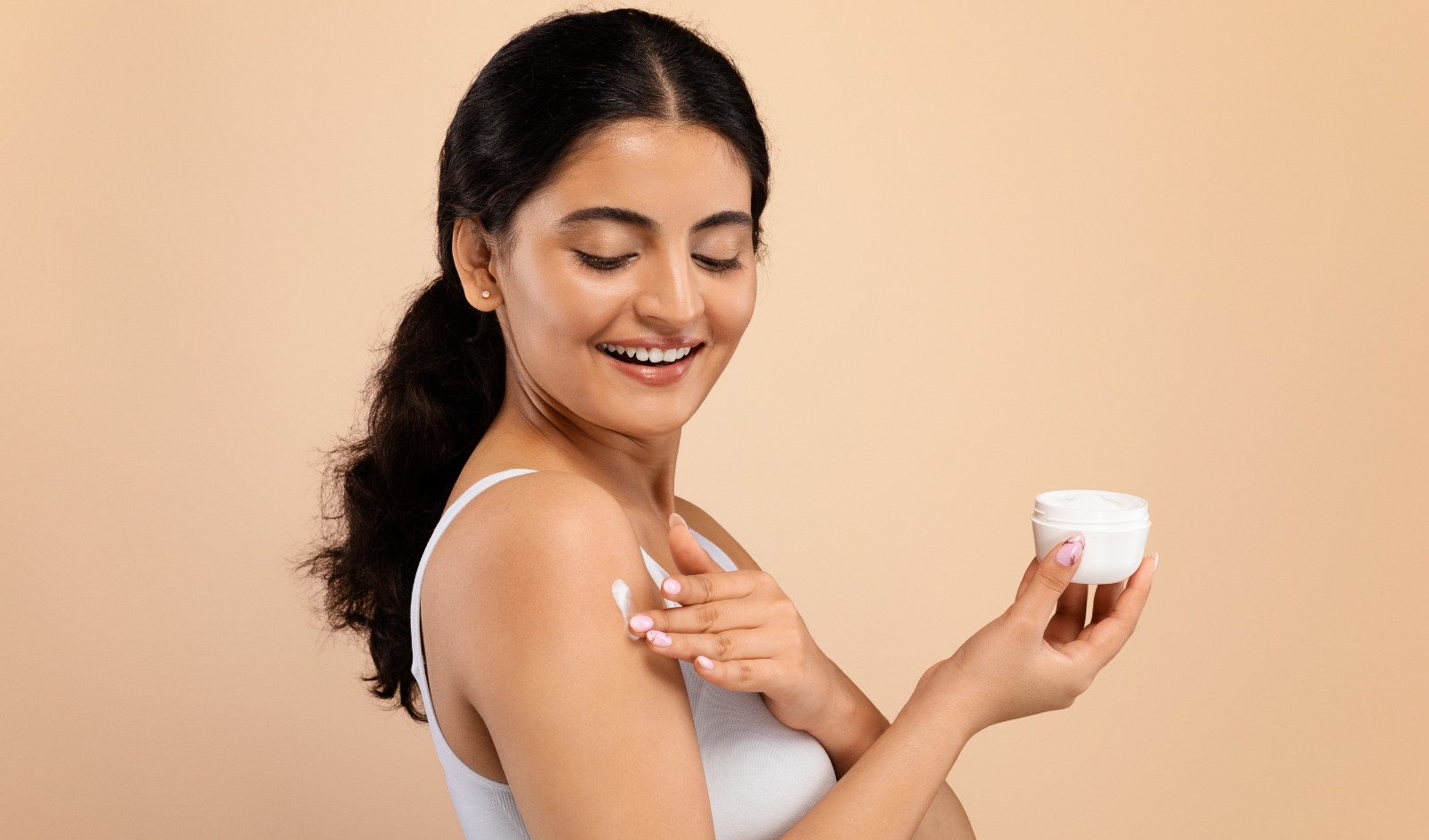
Indian skin ages differently. While fine lines might appear later than on other skin types, hyperpigmentation, uneven tone, and loss of firmness often show up earlier. Finding the best anti-aging cream means understanding what your skin actually needs, not just following trends designed for different concerns.
The anti-aging market is overwhelming. Creams promise miracles but deliver disappointment. The truth is that effective anti-aging comes down to the right ingredients in the right formulation for your specific skin type and climate.
How Indian Skin Ages Differently
Indian skin has more melanin, which provides natural sun protection and delays the appearance of fine lines and wrinkles. According to research published in the Indian Journal of Dermatology, this melanin-rich skin shows aging signs differently than lighter skin tones.
The trade-off? Indian skin is more prone to hyperpigmentation. Dark spots, melasma, and uneven tone often appear before wrinkles do. Sun damage shows up as discolouration rather than fine lines. Loss of firmness and dullness are also common concerns.
This means the best anti-aging cream for Indian skin should address pigmentation alongside wrinkles. A cream that only targets fine lines misses half the problem.
Key Ingredients That Work for Indian Skin
Not all anti-aging ingredients suit every skin type. Here's what works particularly well for Indian skin concerns.
Retinol
Retinol remains the gold standard for anti-aging. It boosts cell turnover, stimulates collagen production, and fades dark spots. For Indian skin prone to pigmentation, retinol addresses multiple concerns at once. Start with low concentrations and build up slowly to avoid irritation. The Revive Eye Serum with Ginseng and Retinal offers targeted anti-aging for the delicate eye area.
Vitamin C
Vitamin C brightens, evens out tone, and protects against environmental damage. It's essential for addressing the hyperpigmentation that Indian skin experiences. The Klairs Freshly Juiced Vitamin Drop provides a gentle 5% concentration suitable for daily use. For stubborn dark spots, the Dark Spot Correcting Glow Serum delivers targeted brightening.
Peptides
Peptides signal your skin to produce more collagen. They're gentler than retinol, making them suitable for sensitive skin. The 6 Peptide Skin Booster Serum combines multiple peptides for firming and hydrating benefits.
Niacinamide
Niacinamide strengthens the skin barrier, reduces pigmentation, and minimizes pores. It works well with other anti-aging ingredients and suits Indian skin beautifully.
Choosing the Right Texture for the Indian Climate
India's humid climate affects how anti-aging products perform. Heavy creams that work in cold, dry climates can feel suffocating here.
For humid weather, lightweight gel-creams and serums absorb better without leaving greasy residue. During dry winters, richer formulations provide necessary moisture. Many people benefit from switching textures seasonally.
The best anti-aging cream for your routine might actually be a serum. Face serums deliver concentrated actives that penetrate deeper than creams. Layer a hydrating serum under a lighter moisturiser for anti-aging benefits without heaviness.
Building an Anti-Aging Routine
Effective anti-aging isn't about one miracle product. It's about a consistent routine with complementary ingredients.
Start with gentle cleansing. Harsh cleansers damage your moisture barrier, accelerating aging. The Numbuzin No.2 Deep Clean Fresh Cream Cleanser removes impurities without stripping.
Follow with a hydrating toner to prep skin for absorption. Apply your anti-aging serum while your skin is still slightly damp. The COSRX Advanced Snail 96 Mucin Power Essence provides hydration and repair that supports anti-aging actives.
Seal everything with moisturiser. In the morning, always finish with sunscreen. UV exposure is the primary cause of premature aging, and Indian skin's tendency toward hyperpigmentation makes protection essential.
Morning vs Night Routine
Your skin has different needs at different times.
In the morning, focus on protection and brightening. Vitamin C serum, followed by moisturiser and sunscreen, shields your skin from daily damage. Antioxidants fight free radicals from pollution and UV exposure.
At night, focus on repair and regeneration. This is when retinol and peptides work best. Your skin renews itself during sleep, so active ingredients have time to penetrate and perform. Use richer formulations at night since you don't have to worry about makeup or sunscreen layering.
Common Mistakes to Avoid
Many people sabotage their anti-aging efforts without realizing it.
Skipping sunscreen undoes all your other efforts. UV damage causes up to 80% of visible aging. No cream can reverse damage if you're not protecting your skin daily.
Using too many actives at once irritates. Don't layer retinol with AHA, BHA, or high-strength vitamin C in the same routine. Alternate them on different nights.
Expecting overnight results leads to abandoning products too soon. Collagen regeneration takes weeks. Give your routine at least six to eight weeks before judging its effectiveness.
Neglecting hydration makes fine lines more visible. Even oily skin needs moisture. Dehydrated skin looks older than well-hydrated skin at any age.
Kind Choices for Aging Gracefully
At Kindlife, we bring you effective anti-aging formulas that work for Indian skin and climate. Our curated skincare collection features brightening serums, firming peptides, and hydrating essences from trusted Korean and global brands.
Start your anti-aging journey with ingredients that actually deliver results.
FAQs
What is the best anti-aging ingredient for Indian skin?
Retinol combined with vitamin C addresses both fine lines and hyperpigmentation, the two primary aging concerns for Indian skin. Peptides and niacinamide are excellent supporting ingredients.
At what age should I start using anti-aging cream?
Prevention can start in your mid-20s with sunscreen and antioxidants. Active anti-aging ingredients like retinol become more relevant in your early 30s when collagen production begins declining noticeably.
Can I use anti-aging products if I have oily skin?
- Yes, choose lightweight serums and gel-creams over heavy formulations
- Many anti-aging ingredients, like retinol and niacinamide, actually help control oil
- Layer products properly and avoid overly rich textures
How long before I see results from anti-aging products?
- Hydration and glow improve within one to two weeks
- Fine lines and texture take four to six weeks
- Significant firmness and pigmentation changes need eight to twelve weeks of consistent use
Should I use the same anti-aging products year-round?
Adjust textures seasonally. Use lighter formulations in humid months and richer ones during dry winters. The active ingredients can stay the same, but the delivery format should suit your climate.
5 Tips to Improve Skin Elasticity and Prevent Sagging
Your skin doesn't bounce back like it used to. When you smile, the lines linger a little longer. Your jawline isn't as defined as you remember. These changes happen gradually, but one day you notice them all at once. The culprit? Loss of skin elasticity.
Skin elasticity is your skin's ability to stretch and snap back into place. It's what keeps your face looking firm and youthful. The good news is that while some elasticity loss is natural, there's plenty you can do to slow it down and even improve it.
What Causes Loss of Skin Elasticity?
Understanding why skin loses firmness helps you fight it more effectively. Elastin and collagen are the two proteins responsible for keeping skin tight and supple. As you age, your body produces less of both.
According to research published in Dermato Endocrinology, collagen production decreases by about 1% every year after age 20. By the time you reach 40, you've lost a significant amount. But age isn't the only factor.
Sun exposure breaks down existing collagen and elastin fibres. Pollution generates free radicals that damage skin cells. Poor nutrition, smoking, and chronic stress all accelerate loss of skin elasticity. Even repeated facial expressions contribute over time.
The result? Skin that sags, wrinkles, and loses that firm, bouncy quality you once took for granted.
Tip 1: Protect Your Skin from Sun Damage
UV radiation is the single biggest external cause of elasticity loss. It doesn't just cause sunburn. Even daily incidental exposure breaks down collagen and elastin fibres deep in your skin.
Wear broad-spectrum sunscreen every single day, even when it's cloudy or you're staying indoors. UV rays penetrate windows and reflect off surfaces. Choose SPF 30 or higher and reapply every two hours if you're outdoors.
This simple skin tightening tip prevents further damage while your other products work on repair. No serum or treatment can outpace the destruction caused by unprotected sun exposure.
Tip 2: Use Collagen-Boosting Serums
Topical products can stimulate your skin to produce more collagen and elastin. The right serums deliver actives that penetrate deep enough to make a difference.
Vitamin C
Vitamin C is essential for collagen synthesis. It also fights free radicals that break down existing fibres. The Klairs Freshly Juiced Vitamin Drop offers a gentle 5% concentration suitable for daily use.
Peptides
Peptides signal your skin to produce more collagen. They're gentle yet effective for improving firmness over time. The 6 Peptide Skin Booster Serum delivers multiple peptides that support skin elasticity and hydration.
Retinol
Retinol is the gold standard for skin-tightening treatment at home. It increases cell turnover and boosts collagen production. Start slowly to avoid irritation, using it two to three times weekly before building up.
Tip 3: Keep Your Skin Deeply Hydrated
Dehydrated skin loses elasticity faster. When your moisture barrier is compromised, skin becomes lax, and fine lines become more prominent. Proper hydration plumps your skin and helps it maintain structure.
Layer hydrating products for best results. Start with a toner containing hyaluronic acid, follow with a hydrating serum, and seal with a moisturiser. The COSRX Advanced Snail 96 Mucin Power Essence repairs and hydrates simultaneously, supporting your skin's natural bounce.
Drink enough water throughout the day. Hydration from within is just as important as topical products.
Tip 4: Support Elasticity Through Nutrition
What you eat directly impacts your skin's ability to produce collagen and elastin. Certain nutrients are essential for maintaining firmness.
Vitamin C from citrus fruits, bell peppers, and berries supports collagen synthesis. Vitamin E from nuts and seeds protects existing fibres from oxidative damage. Omega-3 fatty acids from fish and flaxseeds keep skin supple and reduce inflammation.
Protein provides the amino acids your body needs to build collagen. Include lean meats, eggs, legumes, or plant-based proteins in your diet. Bone broth is particularly rich in collagen-supporting nutrients.
Limit sugar and processed foods. According to the Cleveland Clinic, excess sugar causes glycation, a process that stiffens collagen fibres and accelerates sagging.
Tip 5: Incorporate Facial Massage
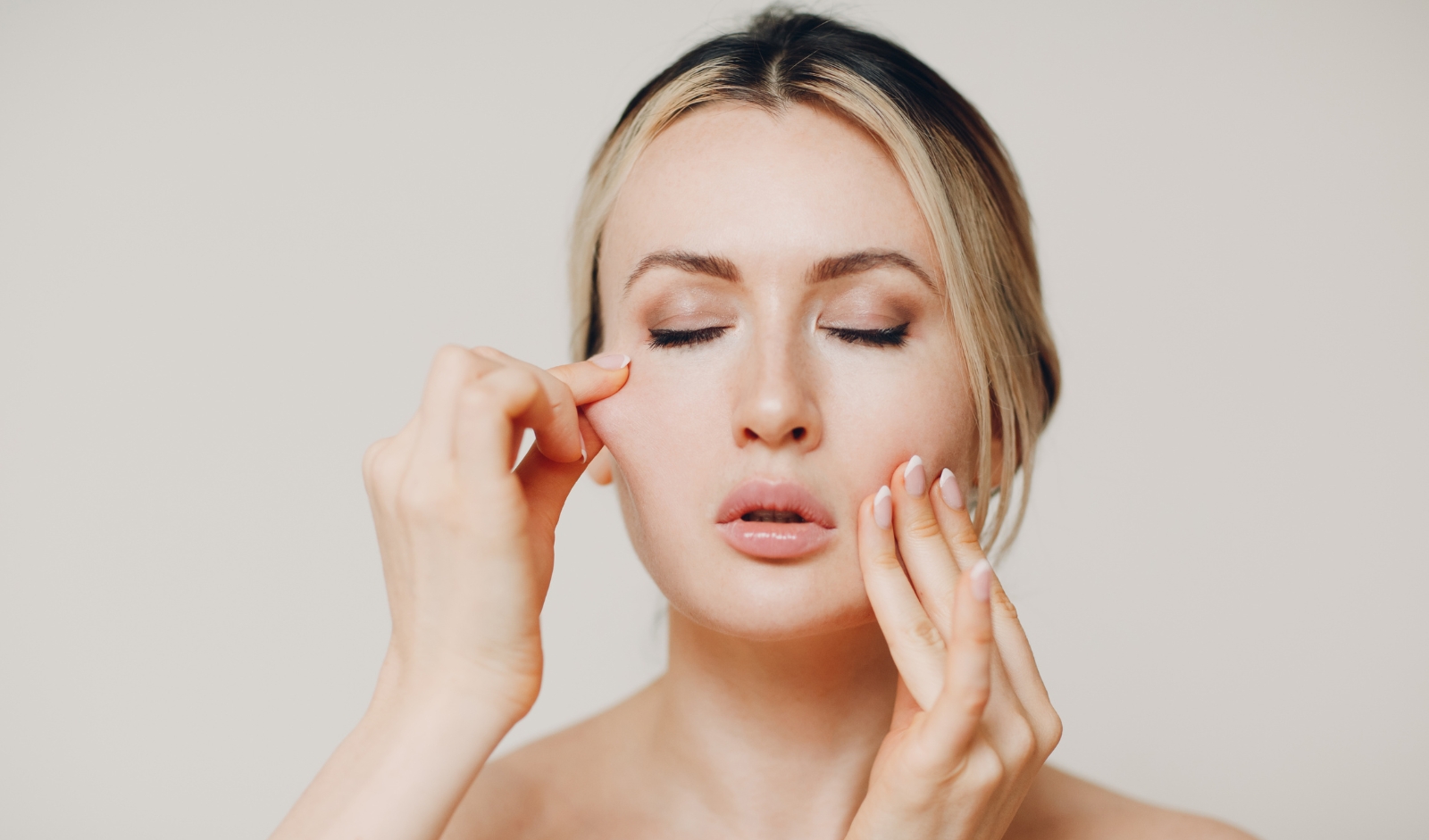
Facial massage improves blood circulation, bringing oxygen and nutrients to skin cells. Regular massage can also tone facial muscles that support your skin structure.
Use gentle upward and outward motions when applying your skincare products. This technique prevents tugging while providing light stimulation. Gua sha tools and jade rollers can enhance the massage effect.
Consistency matters more than duration. A few minutes daily is more effective than occasional longer sessions. Make it part of your morning or evening routine.
Professional Skin Tightening Treatment Options
When topical products aren't enough, professional treatments can help. Radiofrequency, ultrasound, and laser treatments stimulate deep collagen production. These procedures are performed by dermatologists and typically require multiple sessions.
Professional skin tightening treatment works best as a complement to good skincare habits, not a replacement. Maintaining results requires continued sun protection and collagen-supporting products at home.
Kind Choices for Firmer Skin
At Kindlife, we bring you effective formulas that support skin elasticity. Our curated serum collection features peptides, vitamin C, and hydrating actives from trusted Korean and global brands. Build your firming routine with products that actually deliver results.
Give your skin the support it needs and embrace firmer, bouncier skin at any age.
FAQs
How to increase skin elasticity?
Use collagen-boosting ingredients like vitamin C, peptides, and retinol. Protect skin from sun damage daily. Stay hydrated, eat protein-rich foods, and incorporate facial massage into your routine for the best results.
What triggers collagen growth?
Vitamin C, retinol, and peptides stimulate collagen production when applied topically. Internally, adequate protein intake, vitamin C from food, and avoiding sugar support your body's natural collagen synthesis.
What vitamin increases skin elasticity?
- Vitamin C is essential for collagen synthesis and protection against free radicals
- Vitamin E protects existing collagen from oxidative damage
- Vitamin A (retinol) boosts cell turnover and collagen production
Is skin tightening safe?
- Professional treatments like radiofrequency and ultrasound are generally safe when performed by qualified practitioners
- Topical products with peptides and vitamin C are safe for home use
- Always consult a dermatologist before trying new procedures
What's the best age for skin tightening?
Prevention can start in your mid-20s with sunscreen and antioxidants. Active skin tightening treatments and ingredients become more relevant in your 30s when collagen loss accelerates. However, it's never too late to start, as skin responds to proper care at any age.
Best Lip Products for Dry Lips That Actually Work
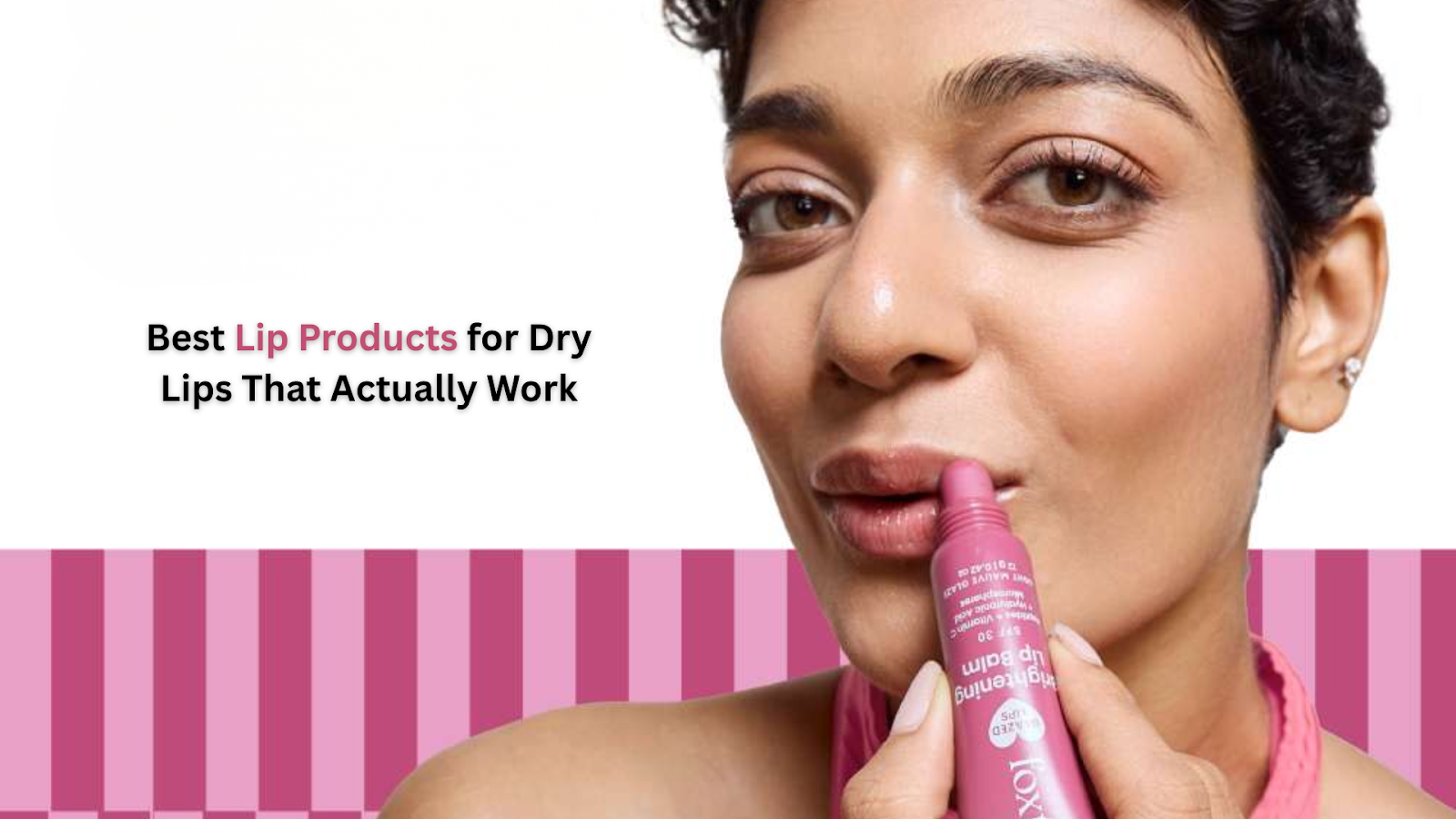
Your lips feel rough. Maybe cracked. That lip balm you bought last month? Not doing much. You're not alone. Finding the best lip products for dry lips can feel overwhelming, but once you know what works, soft and nourished lips are absolutely within reach.
Let's walk through everything from the best lip balms for dry lips to the best lip oil for hydration and hydrating lip tints for winter dry lips that deliver colour without the dryness.
Why Your Lips Get So Dry
Your lips lack oil glands, unlike the rest of your skin, making them naturally prone to dryness. Add cold weather, air conditioning, or that habit of licking your lips, and you end up with chapped, flaky skin.
According to the American Academy of Dermatology, chapped lips need extra care and moisture because they can dry out easily, especially in cold, dry weather or from sun damage. This is why choosing the right ingredients matters so much.
What to Look for in Lip Products
When shopping for the best lip balms for dry lips, check the ingredient list. Occlusives like petroleum jelly, beeswax, or shea butter create a protective barrier. Emollients like coconut and jojoba oil soften rough patches. Humectants like hyaluronic acid draw moisture in, and vitamin E helps repair damage.
If your lips are sensitive, avoid fragrances, menthol, or camphor. These can irritate dry lips further.
Finding the Best Lip Balms for Dry Lips
Lip balms create a protective layer that shields your lips while locking in hydration. For seriously dry lips, choose something thick and occlusive with petroleum jelly or beeswax. Look for shea butter to soften and nourish, or panthenol (vitamin B5) to repair damaged skin. Ceramides can strengthen your lip barrier over time.
When to Use Lip Balm
Apply first thing in the morning and layer it on thick at night as an overnight treatment. Before heading outdoors in cold or windy weather, a good balm acts as your first defence. A helpful tip: apply on slightly damp lips to lock in extra hydration.
The Best Lip Oil for Hydration
Lip oils are lightweight, non-sticky, and give your lips that glossy look while hydrating from within. Unlike balms that sit on top, the best lip oil for hydration absorbs into your skin.
Jojoba oil mimics your skin's natural oils. Argan oil brings vitamin E and fatty acids. Rosehip oil helps with repair, while squalane provides lasting hydration. Avocado oil deeply nourishes even the driest lips.
Lip oils work beautifully alone or layered over a balm. If you're looking for nourishing lip care options, lip oils are worth trying.
Hydrating Lip Tints for Winter Dry Lips
Want colour without sacrificing hydration? Hydrating lip tints for winter dry lips deliver a wash of colour while treating your lips to moisture.
Many traditional lipsticks dry out your lips because colour payoff comes first. Hydrating lip tints are formulated with moisturising ingredients first. Look for tinted balms containing shea butter, hyaluronic acid, natural oils, and vitamin E. For options that combine colour and care, tinted lip products are a good choice.
Tips for Wearing Lip Tints on Dry Lips
If your lips are very dry, prep them first. Gently exfoliate with a soft toothbrush, apply a thin layer of balm, wait a minute, then apply your tint. Layering a clear balm underneath helps the tint glide on smoothly.
Building Your Lip Care Routine
Great lips aren't about one product. In the morning, start with a hydrating lip balm or oil with SPF if you're heading out. Throughout the day, reapply as needed. At night, apply a thick lip mask for intensive repair. Once a week, use a gentle lip scrub to remove dead skin and follow with a nourishing balm.
Common Mistakes to Avoid
Licking your lips feels soothing, but actually dries them out as saliva evaporates. Picking at peeling skin causes damage. Skipping SPF leads to sun damage that worsens dryness. And not drinking enough water shows up on your lips first.
Good Choices for Your Lips
At Kindlife, we believe your lip care should be kind to you and kind to the planet. Our curated collection features toxin-free, cruelty-free lip products from trusted global brands, including K-beauty favourites. Browse lip balms, nourishing lip oils, and gentle lip scrubs to find your perfect match.
FAQs
What is the best lip product for extremely dry lips?
A thick occlusive balm with petroleum jelly, lanolin, or heavy plant butters works best for severely dry lips. Apply generously before bed for intensive overnight repair.
Can I use lip oil instead of lip balm?
Yes, but they serve different purposes. Lip oils absorb and nourish from within, while balms protect and seal moisture. For best results on dry days, apply oil first and seal with a balm.
How often should I apply lip balm?
- First thing in the morning and after meals
- Before bed and before going outside in harsh weather
- Aim for at least three to four applications daily
Do hydrating lip tints dry out your lips?
- Traditional formulas can, but hydrating tints are formulated differently
- Look for moisturising bases like shea butter or natural oils
Why are my lips always dry even when I use lip balm?
You might be using products with drying ingredients like menthol or alcohol. Try switching to a gentler formula and increasing your water intake.
A Beginner's Guide to Korean Skincare: From Serums to Sheet Masks

You have probably seen those glowy, glass-skin selfies all over your feed. And you have wondered how to get that look for yourself. Korean skincare products might just be your answer.
K-beauty has taken the world by storm. According to Persistence Market Research, the global K-beauty market is projected to grow from USD 15.4 billion in 2025 to USD 30.6 billion by 2032. That is not just a trend. That is a skincare revolution.
You do not need a 10-step routine to see results. Let us break down Korean skincare in a way that makes sense for your life.
What Makes Korean Skincare Different
Korean skincare is not about quick fixes. It is about prevention, hydration, and truly understanding your skin. The philosophy centres on layering lightweight products. Multiple thin layers penetrate better than one heavy cream.
K-beauty stands out with gentle, skin-barrier-friendly formulas that focus on hydration over harsh treatments. Ingredients like snail mucin, centella, and hyaluronic acid are staples. You can start small and build up based on what your skin loves.
How to Start a Korean Skincare Routine
Here is how to start a Korean skincare routine with four essentials.
Double Cleansing
Start with an oil-based cleanser to melt away sunscreen and makeup. A calendula cleansing oil or gentle black cleansing oil attracts oil-based impurities that water cannot remove. Follow with rice water foam or a low pH gel cleanser.
Toner
Korean toners are hydrating, pH-balancing formulas that prep your skin to absorb everything that follows. Pat onto damp skin with your hands.
Serum or Essence
Serums deliver concentrated active ingredients directly into your skin. A vitamin C serum brightens and fades dark spots. A centella ampoule calms redness. For pigmentation, try a dark spot correcting serum. For anti-aging, a peptide booster serum supports firmness.
Moisturiser and SPF
Lock everything in with a moisturiser. An advanced snail cream provides deep hydration. For barrier support, try a panthenol shield cream or black snail collagen cream.
Never skip sunscreen. A centella sun serum or an aloe sun cream feels lightweight. For coverage with protection, an illuminating blemish cream or green grape sunscreen works well.
Sheet Masks: Your Weekly Skin Treat
Sheet masks are soaked in concentrated serums and give your skin an instant hydration boost. Apply after toning and leave on for 15 to 20 minutes.
A rich, moist soothing mask or an aloe face mask works great for beginners. For deeper hydration, try a hydro ceramide mask or a cooling, moist mask.
Beyond sheet masks, wash-off masks clarify pores while overnight masks work while you sleep. For breakouts, acne pimple patches target spots directly. A hydro ceramide mask soothes sensitive skin while hydrating.
Picking Products for Your Skin Type
For oily skin, go for lightweight, water-based products. Gel cleansers and oil-free moisturisers are your friends. Look for tea tree, salicylic acid, and niacinamide.
For dry skin, layer on the hydration. Use richer toners, add a hydrating serum, and finish with a cream-based moisturiser. Masks are especially great two to three times a week.
For sensitive skin, keep it simple. Centella asiatica, aloe, and green tea are calming superstars.
Where to Buy Korean Skincare in India
If you are wondering where to buy Korean skincare in India, we have you covered. At Kindlife, we offer a curated selection of the best Korean skincare brands verified for authenticity. We source directly from brands to ensure genuine Korean skincare products. Our collection includes COSRX, Innisfree, Klairs, and The Face Shop.
Final Thoughts
Give each product at least two weeks before judging its effectiveness. Skincare is a long game. Start with the core steps, be consistent, and listen to what your skin needs.
Browse our K-beauty collection and start your glass skin journey today.
FAQs
How long does it take to see results from Korean skincare?
Most people notice improved hydration within a week or two. For concerns like dark spots or fine lines, expect to wait four to six weeks for visible changes.
Can I mix Korean skincare with other brands?
Yes. Your skincare routine does not need to be 100% Korean. Mix and match based on what works. Layer products from thinnest to thickest consistency.
Is Korean skincare suitable for Indian skin?
- Korean skincare focuses on hydration and gentle ingredients that work well for Indian skin
- Many formulas address concerns common in hot, humid climates, like oiliness and hyperpigmentation
- Lightweight textures feel comfortable in Indian weather
Do I really need to do all 10 steps?
- Start with four to five core steps and add more only if you want to
- The 10-step routine is a maximum, not a requirement
- Your skin will tell you what it needs
What are the must-have Korean skincare products for beginners?
Start with a gentle cleanser, hydrating toner, one serum for your main concern, a moisturiser suited to your skin type, and sunscreen. Add sheet masks once or twice a week.
Comments
No posts found


