


 All orders







How to Choose the Right Moisturiser for Your Skin Type
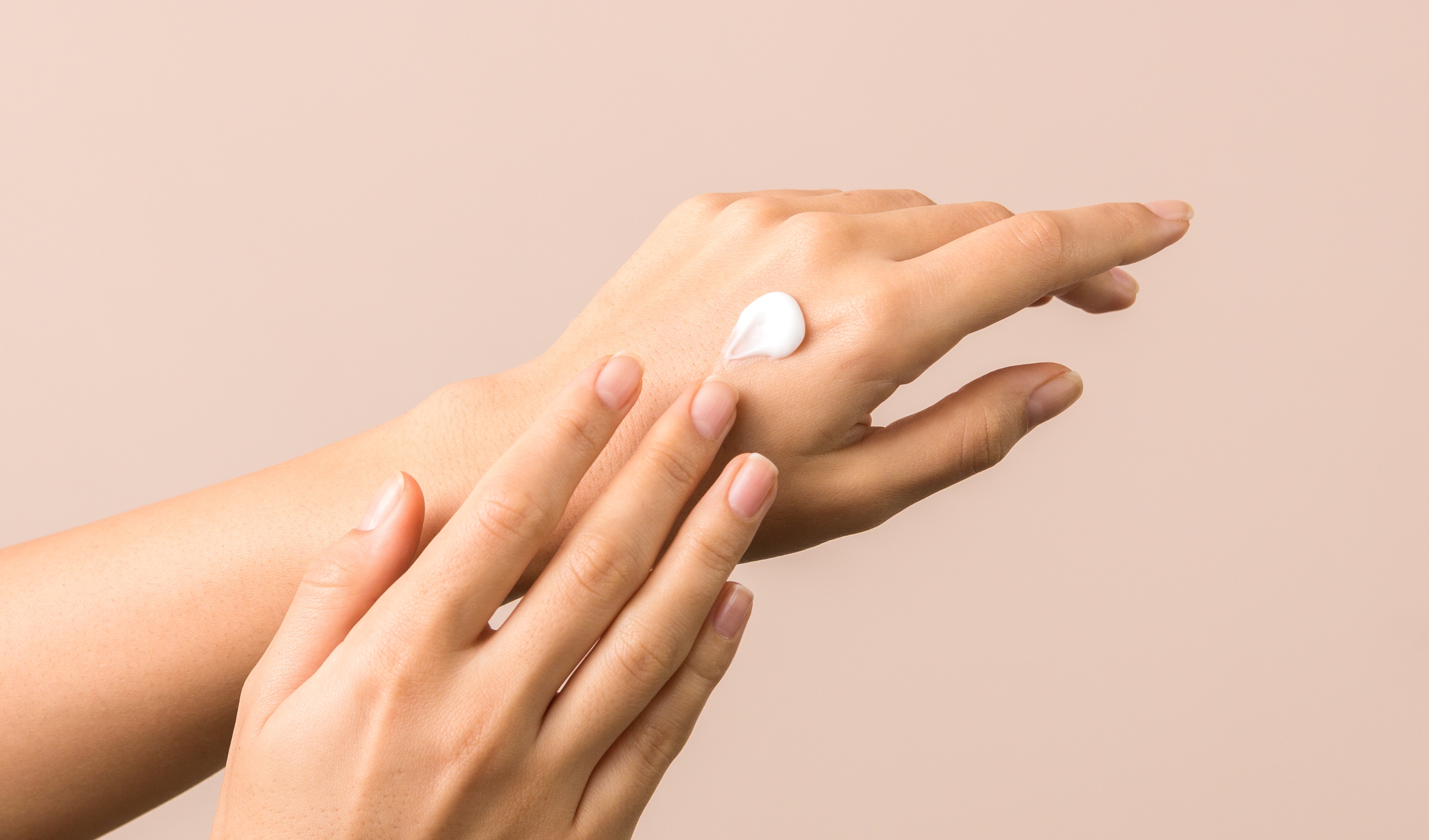
Your skin is unique, and choosing the wrong moisturiser can lead to breakouts, dryness, or that uncomfortable, greasy feeling. The right moisturiser balances hydration without clogging pores or leaving residue, working with your skin's natural needs rather than against them.
Let's find the one that's perfect for you.
Understanding Your Skin Type First
Before you can pick the best moisturiser, you need to know your skin type. Wash your face with a gentle cleanser, pat it dry, and wait an hour without applying any products. Check your T-zone (forehead, nose, and chin) and cheeks for these signs.
Oily skin
Feels greasy across your entire face, especially the T-zone. Pores appear larger, and you might notice shine within an hour of cleansing.
Dry skin
Feels tight, rough, or flaky. Fine lines may appear more visible, and your skin might look dull.
Combination skin
Shows different characteristics in different zones. Your T-zone produces excess oil, while your cheeks feel normal or dry.
Sensitive skin
Reacts easily to products, weather, or stress. You might experience redness, itching, or stinging with certain ingredients.
Best Moisturiser for Oily Skin
Oily skin needs hydration without added heaviness. Look for lightweight, oil-free formulas that won't clog your pores or trigger breakouts.
What your moisturiser should contain:
- Hyaluronic acid for lightweight hydration
- Niacinamide to regulate sebum production.
- Gel or water-based textures
- Non-comedogenic formulas
Avoid heavy creams, mineral oils, and comedogenic ingredients like coconut oil. Korean moisturiser brands excel at creating gel formulations perfect for humid Indian climates. Isntree Onion Newpair Gel Cream delivers hydration without heaviness. Green Grape Pore Control Cream offers oil-control while hydrating.
Important: Apply moisturiser twice daily, even if your skin feels oily. Skipping moisturiser signals your skin to produce more oil to compensate for dehydration.
Moisturiser for Dry Skin: Nourishing Your Barrier
Dry skin craves rich, nourishing formulas that lock in moisture and repair the skin barrier. Indian weather varies dramatically between regions and seasons, so your moisturiser might need adjusting.
Essential ingredients for dry skin:
- Ceramides to restore the skin barrier
- Glycerin for deep hydration
- Hyaluronic acid to attract moisture
- Squalane or natural oils for lasting nourishment
Choose cream or balm textures over gels. Layer your moisturiser over a hydrating serum for extra benefits during harsh winters or in air-conditioned environments.
Options to explore: Midnight Blue Calming Cream provides soothing hydration. Snow White Cream offers intensive moisture with brightening benefits. No.2 Cica Ceramide Repair Cream focuses on barrier restoration.
These formulas work beautifully during the winter months or for those dealing with environmental stress on their skin.
Skin Type Based Moisturiser Guide: Balancing Combination Skin
Combination skin requires balance. You want to hydrate dry areas without making oily zones greasier.
Your best approach:
- Lightweight gel-cream hybrids that adjust to different zones
- Mattifying ingredients like niacinamide for the T-zone
- Hydrating components like hyaluronic acid for dry cheeks
- Non-comedogenic formulas
Some people use two different moisturisers, applying a lighter formula on the T-zone and a richer cream on dry areas. However, a good hybrid product saves time and works just as well.
Korean moisturiser brands often create these balanced formulas. Cera Heart My Type Duo Cream is specifically designed to address both oily and dry zones simultaneously.
Moisturising Sensitive Skin: Less Is More
Sensitive skin needs gentle, minimal formulas free from common irritants. The fewer ingredients, the better.
Avoid these common triggers:
- Fragrances (synthetic and natural)
- Alcohol denat or SD alcohol
- Essential oils
- Harsh preservatives
- Dyes and colorants
Look for soothing ingredients:
- Centella asiatica (cica) to calm inflammation.
- Panthenol for healing
- Allantoin to reduce redness
- Colloidal oatmeal for relief
No.3 Velvet Beauty Cream provides gentle nourishment without irritants. No.2 Cica Ceramide Repair Cream is another option focused on sensitive skin support.
Always patch test: Apply a new moisturiser on your inner arm or behind your ear for 24 hours before applying it to your face.
Korean Moisturiser Brands: Why They Work for Indian Skin
Korean beauty brands have mastered lightweight, effective formulas that work beautifully for Indian skin types dealing with heat, pollution, and varying climates.
Why Korean moisturisers excel:
- Lightweight textures that don't feel heavy in humidity
- Advanced hydration technology that penetrates effectively
- Minimal ingredient lists that focus on quality
- Layering-friendly formulas that work well with serums and essences
- Adapted for Asian skin tones and climates
Explore Kindlife's moisturiser collection to find options suited to your specific skin type. Citrus Brightening Cream combines moisturisation with brightening benefits.
Texture Matters
The texture of your moisturiser affects how it feels and functions on your skin.
Gel moisturisers: Absorb quickly and suit oily or combination skin. Perfect for hot, humid weather.
Lotions: Offer light to medium hydration. Good for normal to slightly dry skin.
Creams: Provide rich moisture for dry skin or cold weather. They form a protective barrier.
Balms: Deliver intensive hydration for very dry patches or harsh conditions. Use sparingly as a final layer.
When to Apply and How It Matters
Timing impacts how well your skin absorbs moisturiser. Apply to damp skin immediately after cleansing or toning, within 60 seconds. Damp skin absorbs products better than completely dry skin.
Morning routine: Cleanser → Toner → Serum → Moisturiser → Sunscreen
Night routine: Cleanser → Toner → Serum → Moisturiser
During summer or in humid regions, you might prefer a lighter moisturiser in the morning and save richer formulas for nighttime.
Signs You've Chosen Wrong
Your skin tells you when something isn't working. Watch for breakouts or clogged pores (too heavy), persistent tightness or flaking (not hydrating enough), lasting greasiness (too rich), stinging or redness (irritating ingredients), or pilling under makeup (incompatible formulas).
Give new products 2-3 weeks to adjust, unless you experience immediate irritation. Skin needs time to adapt to new ingredients.
FAQs
How often should I change my moisturiser?
Change your moisturiser seasonally or when your skin's needs shift. You might need something richer in winter and lighter in summer. Otherwise, stick with what works until you notice your skin changing.
Can I use the same moisturiser morning and night?
Yes, if it works for both routines. Many people prefer lighter formulas during the day and richer overnight treatments.
Do I need moisturiser if I have oily skin?
Absolutely. Oily skin still needs hydration. Skipping moisturiser can trigger your skin to produce even more oil to compensate. Choose oil-free, lightweight formulas designed for oily skin types.
What's the difference between moisturiser and face cream?
These terms are generally interchangeable. Both hydrate skin. Some brands use "cream" for richer textures and "moisturiser" for lighter ones.
Should I apply moisturiser before or after sunscreen?
Moisturiser goes on first, then sunscreen as your final step. Sunscreen needs to form an even protective layer on top, so it should always come last.
Buy Korean Beauty Online in India: Shipping, Returns & Smart Shopping
Shopping for Korean skincare online in India doesn't have to be confusing. Whether you're worried about shipping times, wondering if products are real, or confused about returns, we've got answers.
How Fast Will Your Products Arrive?
Korean skincare shipping in India depends on one thing: where the retailer sources from.
If products come directly from Korea, expect 10-20 business days. This is slower because packages go through international logistics and customs clearance.
Some retailers keep popular K-beauty brands in Indian warehouses instead. This changes everything you get delivery in just 3-7 business days with no customs delays or international shipping waits. That's a significant difference.
Metro cities like Delhi, Mumbai, and Bangalore typically receive packages faster than smaller towns, simply due to better logistics networks. But honestly? Local warehouse stocking beats geography almost every time.
Check at checkout: Reputable sellers show you estimated delivery dates upfront. There's no guessing involved.
Returns & Exchanges: What Actually Happens
Here's what most K-beauty retailers in India offer:
Unopened products can be returned within 7-14 days in original packaging with your invoice. This is standard because it protects both you and the retailer.
Opened products typically can't be returned due to hygiene policies, which makes sense. But if something arrives damaged or expired, you can report it within 24-48 hours with photos, and the retailer should replace it.
Exchange options are usually available if you want a different shade or variant instead of a refund.
The key? Read the specific policy before you buy. Check Kindlife's full return policy so you know exactly what's covered.
How to Spot Authentic Korean Skincare
This matters because counterfeit cosmetics do exist in the Indian market.
Authentic retailers have these qualities:
- They clearly state they source from brands or authorized distributors
- Pricing is consistent (too-cheap deals are red flags)
- They provide batch number verification
- They have transparent business details and responsive customer service
- Real customer reviews mention specific experiences, not generic praise
What to check on products themselves:
- Proper packaging with Korean text and batch codes
- Clear expiry dates
- Holographic stickers or QR codes you can verify on brand sites
When you buy from dedicated beauty retailers instead of general marketplaces, you're much safer. Multiple unknown sellers offering the same product at wildly different prices? Skip it.
Will You Get Hit with Surprise Charges?
Not if you buy from Indian retailers.
When you shop locally, all customs duties and taxes are already included in the price you see. No surprises at checkout. No confusion about final cost.
Direct imports from Korea might attract customs charges depending on package value, which adds both cost and time. But retailers with local inventory handle this for you, which is another reason why they're convenient.
Smart Tips Before You Buy Authentic Korean Skincare
Start small:
Try sample sizes or travel versions before committing to full-size bottles. Korean brands do this well, and it's the smartest way to test formulations.
Read reviews from Indian customers:
Someone in your climate and humidity tested that product and their experience matters more than generic online reviews.
Check ingredient lists:
Korean skincare uses innovative ingredients. If you have sensitive skin, spend two minutes researching anything unfamiliar before purchasing.
Compare prices across retailers:
Check 2-3 authentic sellers to ensure you're getting a fair deal, but be suspicious if prices vary dramatically.
Note expiry dates:
Serums and active ingredients like Vitamin C work best when fresh. Factor in manufacturing dates and shelf life.
Sign up for newsletters:
Catch sales on products you already wanted without hunting for discount codes.
Verify shade names for makeup:
Shade numbering varies across retailers. Cross-check with the Korean brand's official site to get the right match.
Kindlife Policies on Shipping & Returns
Kindlife stocks popular Korean beauty brands in Indian warehouses, which means 3-7 day delivery without international delays.
For returns, unopened products in original packaging can be exchanged or refunded within the standard window. Damaged items are replaced without return shipping fees. You get a transparent process with clear timelines.
Questions? The Kindcrew team is available 10 AM - 6 PM (Mon-Sat) via WhatsApp at +918130287724.
Want all the details? Review the complete return and cancellation policies.
Payment & Security
Look for websites with SSL encryption (you'll see "https://" and a lock icon). This protects your payment information.
Most retailers accept UPI, cards, digital wallets, and cash on delivery. COD is convenient for first-time purchases: you inspect the product before paying though it might have small service fees.
Join the Community
Buying Korean skincare doesn't have to be solo. Kindlife's community connects real people who share honest reviews, tips, and recommendations. It's a good place to get unfiltered opinions about products before you purchase.
Ready to Start?
You now understand shipping times, return policies, how to spot authentic products, and what to look for before clicking "buy."
Head to Kindlife and explore the curated selection.
Whether it's your first Korean skincare product or you're adding to an existing routine, local warehousing means fast delivery and authentic sourcing across India.
FAQs
How long does Korean beauty shipping take in India?
Shipping times range from 3-7 days for locally stocked products to 10-20 days for direct Korea imports. Metro cities receive faster delivery than smaller towns. Check whether the retailer ships from Indian warehouses or internationally before ordering.
Can I return opened Korean skincare products?
Most retailers don't accept returns on opened skincare due to hygiene policies. Unopened products in original packaging can typically be returned within 7-14 days. Damaged or expired products received are usually replaceable regardless of opening.
How do I know if Korean beauty products are authentic?
Buy from retailers who source directly from brands, display clear business information, and offer batch number verification. Authentic products have proper packaging with Korean text, batch codes, and expiry dates. Avoid deals that seem too cheap compared to standard market prices.
Are there customs charges when buying Korean skincare online?
Buying from Indian retailers includes all customs and duties in the listed price. Direct imports from Korea may attract customs charges if order value exceeds duty-free limits. Indian-based stores eliminate customs uncertainty.
What payment methods work for buying Korean beauty in India?
Reputable K-beauty retailers accept UPI, credit/debit cards, digital wallets, and cash on delivery. Choose websites with SSL security for card payments. COD is available for first-time buyers but may have value limits or small service fees.
Best Face Serum for Glowing Skin: Top Picks for 2026
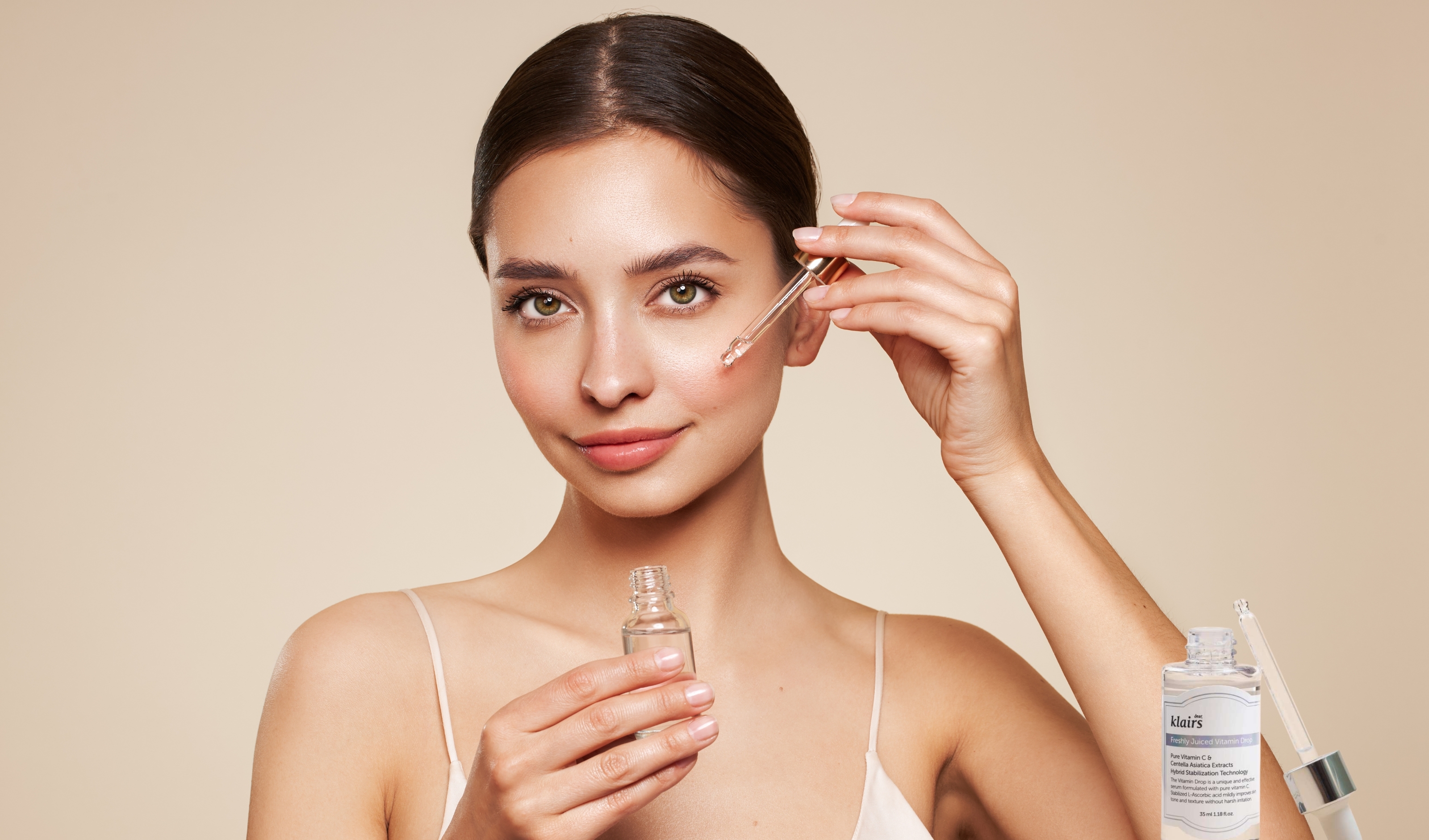
Your moisturiser alone isn't cutting it anymore. You've been consistent with cleansing, toning, and moisturising, but that lit-from-within glow still feels out of reach. This is where a good face serum for glowing skin changes everything.
Serums are concentrated formulas packed with active ingredients that penetrate deeper than your regular moisturiser. They target specific concerns like dullness, dehydration, uneven texture, and excess oil. Whether you're dealing with a shiny T-zone or lacklustre skin that needs a wake-up call, the right serum can transform your routine.
Why Your Skin Needs a Serum
Think of serums as the hardworking middle step between toning and moisturising. Their molecules are smaller, which means they absorb faster and deliver actives directly where your skin needs them most.
According to Allied Market Research, the global face serum market is projected to reach USD 5.8 billion by 2027. This growth reflects what skincare lovers already know: serums deliver visible results that other products simply can't match.
The best face serum for women addresses multiple concerns in one lightweight formula. You get hydration without heaviness, brightening without irritation, and balance without stripping your skin.
Key Ingredients for Glowing Skin
Not all serums work the same way. The ingredients determine what your serum can actually do for your skin.
Vitamin C
Vitamin C is the gold standard for brightening. It fights free radical damage, fades dark spots, and boosts collagen production. For Indian skin prone to hyperpigmentation, a vitamin C serum can make a noticeable difference in evening out your tone. The Klairs Freshly Juiced Vitamin Drop offers a gentle 5% concentration that works well even for sensitive skin.
Hyaluronic Acid
Hyaluronic acid holds up to 1000 times its weight in water. It plumps your skin, smooths fine lines, and creates that dewy finish everyone wants. Look for serums with multiple molecular weights for hydration at every level.
Niacinamide
Niacinamide regulates oil production, minimises pores, and strengthens your skin barrier. If you need a face serum for oily skin that also brightens, niacinamide should be at the top of your list. The Dark Spot Correcting Glow Serum combines brightening actives that target pigmentation while balancing sebum.
Snail Mucin and Centella
K-beauty favourites like snail mucin and centella asiatica repair and soothe while hydrating. The COSRX Advanced Snail 96 Mucin Power Essence is a cult classic that leaves skin bouncy and radiant. For calming irritated skin while brightening, the Skin1004 Madagascar Centella Tone Brightening Capsule Ampoule delivers on both fronts.
Best Face Serums by Skin Type
Choosing the right serum depends on what your skin actually needs.
For Oily Skin
A face serum for oily skin should hydrate without adding greasiness. Lightweight, water-based formulas absorb quickly and won't clog pores. Look for niacinamide, green tea, or low-molecular-weight hyaluronic acid. Avoid heavy oils and thick textures that sit on the surface.
For Dry Skin
Dry skin needs serums with intense hydration. Hyaluronic acid, squalane, and snail mucin work beautifully. Layer your serum while skin is still damp from toner to lock in maximum moisture.
For Combination Skin
Combination skin benefits from balancing serums that hydrate dry areas without overwhelming oily zones. Apply more product on your cheeks and less on your T-zone. Serums with centella or green tea address both concerns effectively.
For Dull Skin
If radiance is your goal, vitamin C and niacinamide are your best friends. These ingredients brighten, even out your tone, and give you the face serum for the glowing skin result you're after.
How to Use Face Serum Correctly
Application technique matters as much as the product itself. Here's how to use face serum for maximum results.
After cleansing and toning, apply your serum to slightly damp skin. Damp skin absorbs actives better than dry skin. Use two to three drops and warm the product between your fingertips before pressing it gently into your face. Pat, don't rub. Rubbing can cause unnecessary friction and reduce absorption.
Wait about 30 seconds to a minute before applying your moisturiser. This gives the serum time to absorb properly. In the morning, always follow with sunscreen since many serum actives increase sun sensitivity.
For the best results, use your serum consistently. Most people notice improved hydration within days, but concerns like dark spots or texture take four to eight weeks of regular use.
Building Your Serum Routine
You can use different serums for morning and evening. In the morning, a vitamin C face serum protects against environmental damage and brightens your complexion throughout the day. At night, switch to hydrating or repairing serums like hyaluronic acid or snail mucin that support your skin's overnight renewal process.
Avoid layering too many activities at once. If you're using vitamin C in the morning, save your niacinamide or retinol for nighttime. Mixing certain ingredients can reduce their effectiveness or irritate your skin.
Kind Choices for Your Serum Routine
At Kindlife, we bring you the best face serum for women from trusted Korean and global brands. Our curated serum collection features formulas that address every skin concern, from oily T-zones to stubborn dark spots. Whether you need a lightweight face serum for oily skin or something richer for dehydrated cheeks, you'll find options that work for Indian weather and skin types.
Find your glow and let your skin do the talking.
FAQs
What is the best face serum for beginners?
Start with a hydrating serum containing hyaluronic acid. It works for all skin types, rarely causes irritation, and delivers visible results quickly. Once your skin adjusts, you can add targeted serums for specific concerns.
Can I use face serum every day?
Yes, most serums are gentle enough for daily use. Hydrating serums can be used morning and night. If using active serums with AHA, BHA, or retinol, start with alternate days and build up frequency as your skin tolerates.
Should I apply serum before or after moisturiser?
- Always apply serum before moisturiser
- Serums have smaller molecules that need direct contact with the skin
- Moisturiser seals everything in and prevents evaporation
How long does it take to see results from face serum?
- Hydration improves within a few days
- Brightening and dark spot fading takes four to eight weeks
- Consistency is key to visible results
Can I mix different serums?
Some combinations work well, like hyaluronic acid with niacinamide. However, avoid mixing vitamin C with retinol or AHA/BHA in the same routine. Use them at different times of day instead.
Glass Skin Makeup Tutorial: Get the Dewy Korean Glow

Glass skin has become the go-to look for anyone wanting a luminous, healthy complexion. It's that mirror-like glow that makes your skin look hydrated and radiant without appearing greasy. The beauty? You don't need perfect skin to achieve it. The right makeup techniques and products do most of the work.
Let's break down how to get that dewy Korean finish right now.
Glass Skin Makeup: Understanding the Look
Glass skin is different from your typical dewy makeup. It has a wet, reflective finish that appears to come from within your skin, not sitting on top of it.
Think of actual glass, smooth, clear, and reflective. That's the aesthetic. It's luminous without looking oily, and it celebrates your natural skin rather than hiding it.
Matte makeup absorbs light. Traditional dewy looks can appear greasy. Glass skin strikes the sweet spot between the two, with strategic shine in the right places and a skin-like finish everywhere else.
Prep Your Skin: The Foundation for Dewy Makeup
Your makeup is only as good as what's underneath. Start your skincare routine at least 20 minutes before applying makeup.
Hydrate thoroughly:
Double cleanse first, then apply a hydrating toner. Pat it in rather than rubbing; this helps absorption. Follow with a serum containing hyaluronic acid or niacinamide to plump and brighten your skin.
Moisturize:
Use a lightweight gel or cream moisturizer. You want bouncy, hydrated skin, not heavy or greasy. Give it time to fully absorb before moving to makeup.
Prime strategically:
Choose a hydrating primer with light-reflecting particles or a pearlescent finish. Skip mattifying primers; they work against the glass skin look.
Need product recommendations? Browse hydrating Korean beauty picks on Kindlife or join the community to see what other Indian users are using for this step.
Foundation Application for Dewy Korean Makeup Look
How you apply foundation changes everything.
Pick the right formula:
Lightweight, buildable foundations work best. BB creams, cushion foundations, and skin tints are perfect for glass skin. Avoid full-coverage matte foundations; they create a mask-like appearance that contradicts the whole aesthetic.
Add extra glow:
Mix a drop of facial oil or liquid highlighter into your foundation for more radiance. A 50-50 mix works for most people, but adjust based on how dewy you want it.
Application matters:
Use a damp beauty sponge instead of a brush. Damp sponges help sheer out the product and create a more skin-like finish. Use gentle bouncing motions instead of dragging. Build coverage gradually where you need it, keeping the rest light and fresh.
Focus on evening out skin tone rather than covering every pore. Glass skin celebrates natural texture while creating radiance.
Korean Makeup For Indians: Techniques for Your Climate
Korean glass skin techniques work beautifully for Indian skin with a few adjustments.
For humidity:
Stick to lightweight, water-based products that won't slide off. Skip powder entirely if possible. Blotting papers are your best friend for touch-ups without disrupting the glow.
Respect your undertones:
Indian skin tones often have natural warmth that pairs beautifully with the glass skin look. Choose foundations that respect your undertones rather than fighting them.
Use cream and liquid products:
Powder formulas can look chalky in humid weather. Cream blushes, liquid highlighters, and gel bronzers maintain the dewy finish through the day.
Makeup for Glowing Skin: The Application Strategy
Here's where the real magic happens.
Strategic highlighting:
- Apply cream or liquid highlighter (never powder) to high points where light naturally hits: cheekbones, bridge of nose, cupid's bow, center of chin.
- Tap the product in with your fingertips. The warmth helps it melt into your skin.
- For extra glow, layer a thin coat of clear balm over your highlighter.
- Extend the glow to your neck and collarbones for a cohesive look.
Complexion products:
- Use concealer sparingly in hydrating, lightweight formulas.
- Apply cream blush to the apple of the cheeks and blend upward.
- Use bronzer lightly on temples, sides of forehead, and jawline.
- Layer cream products before any powder to avoid patchiness
Minimal setting powder: Skip powder if you can. If you need oil control, use only translucent powder in your T-zone. Finish with a hydrating facial mist instead, hold the bottle at arm's length and mist in an X and T pattern. Let it dry naturally.
Common Mistakes to Avoid
Too much product: Glass skin requires restraint. Use less product than you think you need. Thin layers create a more natural finish than one heavy application.
Skipping skincare: Makeup can't create glass skin on dehydrated skin. Your 20-minute skincare prep is essential.
Mixing finishes: Stick to cream, liquid, and gel formulas. Mixing powder and cream creates patchiness instead of a glassy finish.
Over-highlighting: More highlights doesn't equal more glow. Subtle, strategic application looks far more sophisticated.
Make It Work Year-Round
Glass skin works in any season when you adjust for your environment.
In humid months, rely on water-based products and blotting papers. In winter, focus on hydrating products that plump and glow. The core technique stays the same light coverage, strategic shine, and emphasis on skin health.
Get Product Recommendations
Not sure which products to try? Visit Kindlife's community to see what real Indian users recommend for glass skin makeup. You'll get honest reviews from people with similar skin types and climates as you.
Questions about trying before you buy? Kindlife has Try & Buy stores in major cities where you can test products before committing.
Next Steps For Your Dewy Makeup Look
Ready to try glass skin makeup? Start with your skincare routine that's honestly the most important step. Then experiment with lightweight foundations and cream highlighters. The technique is simpler than it sounds.
Not sure which products to start with? Browse Kindlife's dewy and glass skin collection or check the return policy so you can try things risk-free. With easy returns, there's no pressure to get it perfect the first time.
Have you tried glass skin makeup before? Join the Kindlife community and share your results or ask questions from people who've actually done this.
FAQs
Can oily skin achieve glass skin makeup?
Yes, absolutely. Focus on mattifying only your T-zone with minimal powder, and keep the rest of your face dewy. Use oil-free, water-based products and prep with a pore-minimizing primer in oily areas. Blotting papers are your best friend for maintaining the look throughout the day.
How long does glass skin makeup last?
With proper prep and the right products, glass skin makeup can last 6-8 hours. Use a dewy setting spray and carry blotting papers for touch-ups. Avoid touching your face, as oils from your hands can disrupt the finish.
What's the difference between glass skin and dewy skin?
Glass skin has a more reflective, almost wet appearance, while dewy skin appears fresh and hydrated but less shiny. Glass skin aims for a mirror-like finish, whereas dewy skin looks naturally moisturized. Both prioritize healthy-looking skin over heavy coverage.
Do I need Korean products to achieve glass skin?
Not at all. While Korean beauty products are formulated with this aesthetic in mind, you can achieve glass skin with any products that have the right finish. Focus on lightweight, hydrating formulas with a natural to dewy finish, regardless of brand origin.
How do I maintain glass skin makeup in hot weather?
Use water-based products, skip powder entirely, and rely on blotting papers for oil control. A waterproof setting spray helps. Consider carrying a facial mist for refreshing your glow throughout the day. Focus the dewiest products on less oily areas like cheeks and keep your T-zone slightly more matte.
Beauty From Within: Skin Health Wellness India Guide

Beautiful skin isn't built only with what you apply on top. The real glow comes from inside: your gut, your immune system, and what you eat all show up on your face. This is where wellness supplements and smart nutrition matter just as much as your skincare routine.
Let's explore how to build radiant skin from the inside out.
The Gut-Skin Connection: Why Your Digestion Matters for Your Face
Your gut and skin are directly connected. When your digestive system is healthy, your skin reflects it. When it's imbalanced, your skin struggles too.
Here's why: your gut processes the nutrients your skin needs to stay clear and glowing. It also controls inflammation in your body. When inflammation gets out of control internally, it shows up as breakouts, redness, and dull skin on your face.
The gut-skin connection works through:
- Reducing inflammation: A healthy gut means less systemic inflammation, which means fewer breakouts and less skin irritation
- Better nutrient absorption: Your digestive system delivers vitamins and minerals that build collagen and repair skin
- Efficient waste removal: When digestion works properly, toxins leave your body instead of affecting your skin
- Stronger skin barrier: Gut health supports the protective layer that keeps moisture in and irritants out
Simple ways to support your gut:
- Eat fermented foods like yogurt, kimchi, and kombucha regularly.
- Add fiber through whole grains and vegetables.
- Include prebiotic foods like garlic and onions that feed good bacteria.
- Reduce processed foods, excess sugar, and alcohol.
You don't need fancy supplements to start. Better food choices make a real difference. But when you're ready to add targeted support, Kindlife's gut-health supplements are specifically chosen for microbiome balance.
Korean Beauty Supplements: What Actually Works
Korean beauty has embraced the inside-out approach for decades. The supplement market in Korea focuses on ingredients backed by actual results, not hype. Kindlife's beauty supplements collection brings together the most effective K-beauty formulations for skin health.
- Collagen peptides are the most popular choice. People take these consistently for 8-12 weeks and notice their skin feels more elastic and hydrated. Look for hydrolyzed collagen (types I and III) because your body absorbs it better. Kindlife's collagen supplements are curated for quality and bioavailability.
- Omega-3 fatty acids keep your skin's protective barrier strong. Fish oil, flaxseed, or algae supplements reduce inflammation and keep dry skin from becoming a constant problem. These help especially if you deal with sensitive or inflamed skin.
- Vitamin C supplements do more than boost immunity. They support collagen production and protect your skin from environmental damage. While serums are popular, oral vitamin C reaches deeper layers of your skin.
- Probiotics complete the gut-skin story. Specific strains have shown potential in reducing acne and improving skin hydration. Taking probiotics aligns your internal environment with what your skin needs.
- Hyaluronic acid supplements work from inside to improve how much moisture your skin holds. While HA serums are topical favorites, oral versions enhance overall skin hydration.
Other supplements worth exploring include biotin for supporting skin, hair, and nails. Kindlife's biotin collection offers options tailored to different beauty goals.
What matters when choosing supplements:
- Brands that list all ingredients clearly
- Third-party testing for quality assurance
- No unnecessary fillers or artificial additives
- Products that focus on bioavailability (how well your body actually uses them)
Natural doesn't always mean better. What matters is whether your body can actually absorb and use the ingredient. A well-made synthetic version often works better than a natural one that your body can't process efficiently.
Immunity & Skin Health: Your Body's First Defense
Your immune system protects your skin from damage, infection, and aging. When immunity is weak, your skin struggles: it looks dull, breaks out easily, and heals slowly.
Here's how a strong immune system supports skin:
- Faster healing: Your body recovers quickly from breakouts and irritation
- Anti-aging protection: Immune cells fight the damage that causes wrinkles and age spots
- Controlled inflammation: Your skin doesn't overreact to irritants or triggers
How to build immune resilience:
Sleep: 7-9 hours per night is when your body repairs and regenerates skin cells. Skipping sleep shows on your face within days.
Stress management: Yoga, meditation, or simple breathing practices keep cortisol (stress hormone) in check. High cortisol triggers breakouts and inflammation.
Movement: Regular activity boosts circulation, which delivers oxygen and nutrients to your skin. You don't need intense workouts. Consistent movement works.
Key nutrients for immunity: Zinc, vitamin D, and selenium support both your immune system and skin health. These often come through food (seafood, eggs, leafy greens), but supplements help if you have gaps. Kindlife's immunity-boosting supplements are formulated to support both your inner defense and skin vitality.
Skin Health & Wellness in India: Building Your Complete Routine
Integrating wellness, supplements, and skincare means approaching beauty from multiple angles. Here's how to structure a day that supports radiant skin:
Morning:
- Drink water with lemon to support digestion.
- Take morning supplements with breakfast (better absorption)
- Simple skincare: gentle cleanser, serum, SPF
Throughout the day:
- Eat balanced meals with vegetables, lean protein, and healthy fats.
- Stay hydrated consistently
- Take movement breaks to boost circulation.
Evening:
- Calm your mind before bed. This improves sleep quality.
- Take collagen or magnesium supplements if part of your routine.
- Use active skincare (like retinol) that works while you sleep.
- Aim for that 7-9 hour sleep window.
Weekly:
- Add fermented foods to several meals.
- Try a hydrating mask or treatment.
- Plan meals ahead so you have nutrient-dense options ready.
The Korean and Indian Beauty Philosophy
Korean beauty culture has always understood that true beauty comes from inside. Their supplement market reflects this: you'll find collagen drinks, red ginseng for vitality, and fermented botanicals designed to support gut health.
In India, traditional wellness practices emphasize balance and nourishment from within. Combining this with modern K-beauty supplements creates something powerful: a routine that respects both approaches.
Kindlife's community brings together people exploring this holistic approach. You'll find recommendations for beauty supplements that align with both Korean innovation and Indian wellness traditions.
Start Simple
You don't need to overhaul everything at once. Start with one change: improve your gut health through food, add consistent sleep, or try one supplement. Your skin will respond to small, consistent improvements more than dramatic overhauls.
Browse beauty supplements on Kindlife or join the community to see what others are using for their wellness routines.
Real beauty comes from taking care of yourself from the inside out. Give it time, stay consistent, and you'll see your skin reflect the care you're putting in.
FAQs
How long does it take to see results from beauty supplements?
Most people notice improvements in skin hydration and texture within 4-6 weeks of consistent supplement use. Collagen and other structural changes typically become visible after 8-12 weeks. Patience and consistency are key, as internal changes take time to reflect on the surface.
Can I take multiple beauty supplements together?
Yes, but check for ingredient overlap to avoid exceeding recommended daily amounts. Collagen, vitamin C, and probiotics generally work well together. Consult with a healthcare provider if you're taking medications or have specific health conditions.
What's more important for skin health, supplements or topical skincare?
Both play distinct roles and work best together. Topical products address surface concerns and provide immediate barrier support, while supplements work systemically to build healthy skin from within. The combination creates comprehensive results that neither approach achieves alone.
How does diet affect skin compared to supplements?
Whole foods should always be your foundation, providing fiber, antioxidants, and compounds that supplements can't fully replicate. Supplements fill nutritional gaps and deliver concentrated doses of specific ingredients. Think of supplements as complementing, not replacing, a nutrient-rich diet.
Are natural beauty supplements better than synthetic ones?
Not necessarily. What matters most is bioavailability, how well your body absorbs and uses the ingredient. Some synthetic forms are actually more stable and absorbable than natural sources. Look for quality testing and transparency rather than focusing solely on natural versus synthetic labels.
Sensitive Korean Skin Care: Calm Redness and Rebuild Your Barrier
Sensitive skin feels exhausting. One wrong product and your face reacts with redness, stinging, or that uncomfortable tight feeling. But here's what most people don't realize: sensitive skin usually isn't permanent. It's often a damaged barrier asking for help. Once you understand what your skin needs and give it proper care, you can rebuild that protective layer and feel comfortable again.
What Damaged Barrier Skin Actually Is
Your skin barrier is your outermost protective layer. Think of it like a brick wall: skin cells are the bricks, and lipids (ceramides, cholesterol, fatty acids) are the mortar holding everything together. When that mortar weakens, irritants slip through, water escapes, and your skin becomes reactive.
What damages your barrier:
- Over-exfoliation with harsh scrubs or acids
- Stripping cleansers that remove natural oils
- Environmental stress, such as pollution and UV rays
- Using too many active ingredients at once
- Hot water that dehydrates skin
- Fragranced products that trigger inflammation
The damage isn't permanent. Your barrier can heal with the right approach.
Sensitive Korean Skin Care: Why This Approach Works
Korean skincare has perfected the gentle method. Instead of aggressive treatments, K-beauty focuses on layering lightweight, hydrating products that strengthen your barrier over time. The philosophy is simple: be kind to your skin, not forceful.
Key ingredients Korean brands use for sensitive skin:
- Centella Asiatica (Cica): Reduces inflammation and supports barrier repair.
- Panthenol (Pro-Vitamin B5): Deeply hydrating and anti-inflammatory.
- Ceramides: Rebuild the barrier's protective layer.
- Niacinamide: Strengthens the barrier and reduces water loss.
- Beta-Glucan: Provides intense hydration.
Korean brands like COSRX, Dr. Jart+, and others focus on clean formulations designed specifically for reactive skin. You can find these at Kindlife, where sensitive skin products are carefully curated for Indian consumers.
How to Repair Skin Barrier For Indian Skin
Your routine needs to do three things: stop the damage, hydrate intensely, and rebuild the barrier. Less is truly more when your skin is compromised.
Morning:
- Gentle cleanser with a pH close to 5.5. Daily Gentle Cleanser is formulated for sensitive skin.
- Hydrating toner with centella or calming botanicals.
- Serum with ceramides or niacinamide. Brightening Serum is one option available on Kindlife.
- Barrier-repair moisturizer. Moisture Balm provides the rich hydration barrier-damaged skin needs.
- Sunscreen (non-negotiable). Sun Protect Ultra Light Gel offers protection without heaviness or irritation.
Evening:
- Oil cleanser if needed (gentle removal)
- Water-based gentle cleanser
- Hydrating toner for extra hydration
- Treatment serum with ceramides
- Richer moisturizer
- Sleeping mask for very dry skin. Hydrate and Nourish Mask provides intensive overnight treatment for barrier recovery.
The key is consistency, not complexity. Your skin needs 4-6 weeks of gentle care before you see major improvements.
Redness Calming Korean Skincare: What to Avoid
When your barrier is damaged, certain ingredients make things worse. Skip these until your skin calms down:
- Exfoliating acids (AHAs, BHAs)
- Retinoids and vitamin C
- Alcohol-heavy products
- Synthetic fragrance or essential oils
- Hot water on your face
- Physical scrubs
- Switching products constantly (commit for 4 weeks minimum)
Give your skin the space to heal without new stressors.
Barrier Repair Routine: Timeline and Expectations
Most people notice improvement within 2-4 weeks of consistent gentle care. Your skin might feel less tight immediately, but true barrier restoration takes time. Complete healing can take 6-8 weeks.
Signs your barrier is healing:
- Less redness and reactivity to products
- Skin feels plump instead of tight.
- Reduced stinging or burning
- Fewer breakouts
- Makeup applies smoothly
- Products absorb better
If redness hasn't improved after 6-8 weeks, see a dermatologist. Conditions like rosacea or eczema need targeted treatment beyond barrier repair.
Shopping Smart for Sensitive Skin
Finding the right products in India just got easier. Kindlife curates over 800 clean, cruelty-free brands specifically chosen for sensitive skin needs. Look for labels like "barrier repair," "sensitive skin," "cica," or "fragrance-free."
Join the community to see what other Indian users recommend for barrier-damaged skin. Real reviews from people with similar skin help you choose confidently.
Want to try before committing? Kindlife offers easy returns so you can test products without pressure. Check the return policy for details.
Start Healing Your Barrier Today
Sensitive skin responds well to patience and consistency. Simplify your routine, commit for 4-6 weeks, and give your barrier time to rebuild. You'll be surprised how quickly your skin calms down when you stop stressing it.
Browse barrier-repair products on Kindlife or ask the community for recommendations based on your specific concerns.
Your skin wants to heal. Give it what it needs, be patient, and you'll get back to feeling comfortable in your own face.
FAQs
What is the fastest way to repair a damaged skin barrier?
The fastest barrier repair happens when you simplify your routine to gentle cleanser, hydrating toner, barrier-repair serum with ceramides, and rich moisturizer. Stop all exfoliation and active ingredients. Most people see improvement within 2-4 weeks of consistent gentle care.
Can I use niacinamide on sensitive skin?
Yes, niacinamide is excellent for sensitive skin. Start with lower concentrations (2-5%) and work up to 10% if your skin tolerates it. Niacinamide strengthens the barrier, reduces water loss, and calms inflammation without irritation for most people.
Why does my sensitive skin get worse in winter?
Cold air and indoor heating strip moisture from skin, increasing water loss. When your barrier is compromised, seasonal dryness makes reactivity worse. Add a heavier moisturizer or occlusive sleeping mask during winter.
Are natural products better for sensitive skin?
Not necessarily. Many natural ingredients like essential oils and citrus extracts are highly irritating. Focus on gentle formulations rather than natural versus synthetic.
How do I know if a product is breaking my skin barrier?
If a product causes immediate stinging, burning, or tightness that doesn't fade quickly, it's too harsh. Redness, increased sensitivity, and dry patches are also signs. Stop using it and return to basics.
Exfoliation 101: Choose the Right Method for Your Skin

Exfoliation can feel confusing when you're staring at rows of skincare products. Should you use a scrub? A chemical exfoliant? How often? Getting exfoliation right means understanding the difference between methods and finding what works for your specific skin.
Let's break it down simply.
Scrub vs Chemical Exfoliant: What's the Difference?
These are two completely different approaches to removing dead skin cells.
Physical scrubs work by manually buffing away dead skin using granular particles. Sugar, salt, and jojoba beads are common options. You massage them onto damp skin, the friction removes buildup, and you rinse away the results. Instant smoothness.
Chemical exfoliants use acids or enzymes to dissolve the bonds between dead skin cells. They work beneath the surface without any scrubbing action. Results build over time as you use them consistently.
Which approach is gentler? Chemical exfoliants are generally considered gentler for sensitive or acne-prone skin because they don't create friction. Physical scrubs work well for normal to oily skin that can handle the gentle buffing action.
Physical scrubs give you immediate texture improvement. Chemical exfoliants require patience but offer benefits that go deeper than surface smoothing.
Korean Skincare: Understanding AHA and BHA
Korean skincare brands excel at formulating both types of exfoliants. Understanding AHA and BHA helps you choose the right one for your skin.
AHA (Alpha Hydroxy Acid): AHAs like glycolic acid and lactic acid work on the skin's surface. Glycolic acid works quickly. Lactic acid is gentler and also provides hydration. AHAs address dullness, uneven texture, and fine lines.
Choose AHA if you have:
- Dry or sun-damaged skin
- Concerns about aging
- Uneven skin tone
- Normal to dry skin texture
BHA (Beta Hydroxy Acid): BHA, primarily salicylic acid, is oil-soluble, so it penetrates through sebum and clears pores from the inside. BHA works wonders for acne, blackheads, and congestion because it reduces inflammation and prevents clogged pores.
Choose BHA if you have:
- Oily or combination skin
- Acne or blackheads
- Enlarged pores
- Skin that feels congested
Pivot The Pores 2 BHA Liquid offers a straightforward BHA option for oily or acne-prone skin.
Exfoliation Skincare for Indian Skin: Best Practices for Your Climate
India's hot, humid climate means your skin produces more sebum, leading to clogged pores and breakouts. This makes chemical exfoliants especially valuable, particularly BHA products that control oil.
During monsoon season:
Increase exfoliation slightly to combat extra humidity and prevent congestion.
During dry months:
Reduce exfoliation frequency and switch to gentler AHAs with added hydration.
Important for Indian skin:
Always patch-test new exfoliants on a small area first. Darker skin tones are more prone to post-inflammatory hyperpigmentation, so introduction should be gradual.
Physical scrubs work well in the Indian climate too. Green Grape Pore Control Scrub Cleaning Foam offers a gentle option that doesn't leave skin feeling stripped in humid weather.
How Often to Exfoliate: Finding Your Frequency
Over-exfoliation is one of the most common skincare mistakes. It leads to redness, sensitivity, and a damaged moisture barrier.
General guidelines:
- Most skin types do well with 2-3 times per week.
- Sensitive skin should start with once a week.
- Oily skin can handle more frequent exfoliation.
- Dry skin prefers gentler, less frequent exfoliation.
Signs you're exfoliating too much:
- Persistent redness or burning
- Increased sensitivity to products
- Skin feels tight or overly smooth.
- More breakouts than usual
- Flaking or peeling beyond normal exfoliation
Signs you need more exfoliation:
- Rough, bumpy texture
- Products sitting on the skin without absorbing
- Dull complexion
- Frequent clogged pores
Always listen to your skin and adjust accordingly.
Scrub vs Chemical Exfoliant: Choosing by Skin Type
For oily and acne-prone skin:
BHA products work best because they cut through oil and prevent pore clogging. Use 2-3 times weekly. Physical scrubs can work occasionally with rounded, gentle particles.
For dry and sensitive skin:
Gentle AHAs like lactic acid provide exfoliation without stripping moisture. Use 1-2 times weekly at lower concentrations. Cream-based scrubs with rounded beads are a gentler physical option than grainy formulas.
For combination skin:
Alternate between AHA and BHA or use products containing both acids. Use BHA on your oily T-zone and AHA on drier cheek areas. Start once weekly and gradually increase as tolerance builds.
For mature skin:
AHAs help with cell turnover. Pair with hydrating serums to prevent dryness. Exfoliate 2-3 times weekly for anti-aging benefits.
Are Physical Scrubs Worth Trying?
Modern scrubs use gentle, rounded particles instead of harsh, jagged ones. This matters for safety.
Quality matters: Look for scrubs with rounded jojoba beads, sugar, or fine particles. Avoid crushed walnut shells or irregular particles that can create micro-tears.
Options worth exploring include Vitamin C and Glutathione Face Scrub for brightening while exfoliating, Apricot and Date Face Spa for nourishing scrubbing, or Vitamin C White Haldi Face Scrub for a microplastic-free option.
Physical scrubs are easier to control and rinse off completely. They give immediate results, which many people prefer.
Using Exfoliants Correctly
For chemical exfoliants:
- Apply to clean, dry skin.
- Use at night since they increase sun sensitivity.
- Follow with hydrating toner and moisturizer.
- Apply sunscreen in the morning (increased sensitivity to the sun)
- Don't mix with retinol on the same night.
For physical scrubs:
- Use on damp skin
- Apply with gentle circular motions.
- Never scrub hard or aggressively.
- Can be used morning or evening
- Follow with moisturizer and SPF in the morning.
FAQs
Can I use both AHA and BHA together?
Yes, but start slowly. Many Korean beauty products combine both acids in one formula at lower concentrations. If using separate products, apply BHA first (it penetrates deeper) followed by AHA. Beginners should master one acid type before introducing both.
What concentration should I start with for chemical exfoliants?
Start with 5-8% for AHAs and 1-2% for BHA. As your skin builds tolerance over 4-6 weeks, you can gradually increase to 10-12% AHA or 2% BHA. Higher concentrations aren't always better and can damage your skin barrier if you're not ready.
Are physical scrubs bad for your skin?
Not necessarily. The issue is harsh, irregular particles like crushed walnut shells that can create micro-tears. Modern scrubs with rounded jojoba beads or sugar are much gentler. For most people, gentle exfoliating products used correctly are perfectly safe.
How long does it take to see results from chemical exfoliants?
Physical scrubs give immediate smoothness, but chemical exfoliants require patience. You'll notice subtle improvements in texture within 1-2 weeks, but significant changes in tone, acne, or fine lines take 4-8 weeks of consistent use.
Can I exfoliate if I have active breakouts?
Yes, but choose your method carefully. BHA is anti-inflammatory and can help active breakouts heal faster. Avoid physical scrubs on inflamed acne, as the friction can spread bacteria and worsen inflammation. Gentle chemical exfoliants are your best option during breakouts.
Minimalist Skincare Routine: Simple Steps for Busy People
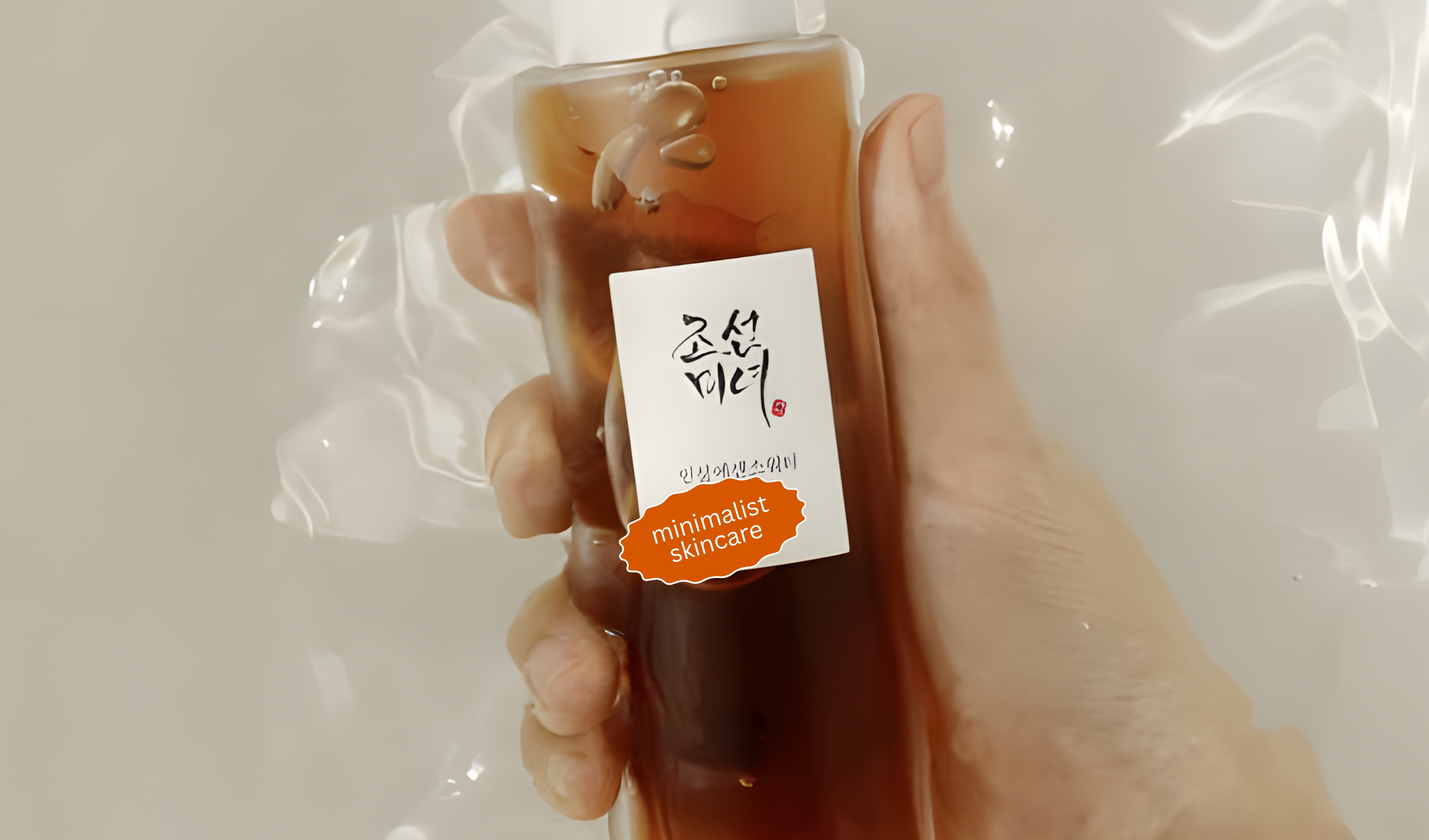
Your bathroom counter doesn't need to look like a beauty store to have glowing skin. A minimalist skincare routine cuts through the clutter and delivers results with just 3-5 essential steps. No 10-step marathons, no confusion, just products that actually work for your lifestyle.
If you're too busy with complicated routines but still want healthy skin, this is for you.
Minimalist Skincare Routine: What Does It Actually Mean?
A minimalist skincare routine focuses on multi-purpose products that deliver real results without wasting your time or money. It's about choosing fewer, better products and sticking to them consistently.
The idea is simple: consistency beats perfection. Using a simple routine every single day works better than an elaborate one you skip constantly.
The sweet spot for most people is three to five products that cover the basics: cleanse, treat, moisturize, and protect. That's genuinely all you need for healthy skin.
The 3-Step Foundation for Busy Mornings
Your morning routine should take under three minutes total. Here's what actually matters.
Step 1: Gentle cleanser removes overnight oil and preps skin for the rest of your routine. Nothing fancy is needed.
Step 2: Moisturizer with SPF Hydrates and protects in one step. This combination saves time without sacrificing either benefit.
Step 3: Optional treatment serum. Add one if you have a specific concern, like dullness or uneven texture. One serum is enough.
That's it. You're done and out the door.
Keep all your products visible in one spot, not scattered across cabinets. A small basket on your bathroom shelf works perfectly. When everything is accessible, you're more likely to actually use it.
Simplified Skincare For Korean: Borrowing What Works
Korean skincare routines are famous for many steps, but the minimalist Korean approach borrows the best principles without the overwhelm.
What's worth adopting from K-beauty:
Essence or toner layer: These lightweight formulations hydrate and prep skin for serums and moisturizers. Ginseng Essence Water or similar toners add hydration in seconds without heaviness.
Snail mucin or propolis: These multi-benefit ingredients hydrate, support skin health, and provide gentle brightening in one product. Advanced Snail 96 Mucin Power Essence works as a standalone treatment.
Layering lightweight products: Instead of one heavy cream, layer lighter hydrating products. This approach gives you more nourishment with a fresher feel.
Glass skin philosophy: Healthy barrier equals natural glow. Focus on products that support barrier function instead of trying to cover everything with heavy makeup.
One smart product can replace three if you choose formulas with multiple benefits. For example, a moisturizer with niacinamide supports barrier health, reduces pore appearance, and brightens all in one step. That's the minimalist approach.
Quick Skincare Steps: Your Evening Routine
Nighttime is when your skin repairs itself, making it the best time for active ingredients and richer formulas.
Evening essentials:
- Cleansing oil or balm: Melts makeup and sunscreen completely.
- Water-based cleanser: Removes remaining residue (double cleanse takes 90 seconds)
- Treatment serum: Hydrating essence, peptides, or niacinamide
- Night moisturizer: Richer formula for overnight repair
You don't need seven different serums. Pick one treatment that targets your main concern, whether that's dryness, irritation, or early signs of aging.
Double cleansing might sound like extra work, but it actually ensures your nighttime products absorb better on truly clean skin. The time investment pays off in better results.
Everyday Skincare for Busy People: Sample Routines
Here's what minimalist routines look like in real life, adapted to different skin needs.
For dry skin:
- AM: Hydrating toner, Barrier Relief Lightweight Gel Cream with SPF
- PM: Oil cleanser, water cleanser, Ginseng Essence Water, Peptide Ceramide Moisturizer
For oily or acne-prone skin:
- AM: Gentle cleanser, niacinamide serum, lightweight moisturizer with SPF
- PM: Cleansing balm, foaming cleanser, The 6 Peptide Skin Booster, oil-free moisturizer
For combination skin:
- AM: Mild cleanser, Ginseng Essence Water, gel moisturizer with SPF
- PM: Balm cleanser, water cleanser, hydrating serum, night cream
Adjust based on seasons. Winter might need richer products. Summer might call for lighter gels. Your routine should evolve with your environment and skin needs.
Choose Products That Do Double Duty
The secret to a minimalist routine is smart product selection. Look for formulas that work overtime.
Multi-purpose products worth investing in:
- Moisturizers with SPF 30 or higher (all-in-one morning step)
- Advanced Snail 92 All-in-One Cream (hydration and barrier support in one)
- Relief Sun Rice Probiotics SPF 50 (lightweight sunscreen that feels skincare-like)
- Serums with multiple actives (niacinamide plus hyaluronic acid)
- Toned pads that cleanse and treat simultaneously
Read ingredient lists, not marketing claims. A product with ceramides, hyaluronic acid, and peptides will serve you better than trendy ingredients with no proven function.
Time-Saving Tips That Actually Work
Streamline your routine with these practical habits:
Efficiency hacks:
- Keep AM and PM products in separate pouches.
- Use pump bottles instead of jars (faster, more hygienic)
- Apply sunscreen while your coffee brews.
- Double cleanse in the shower to save counter time.
- Toner pads replace separate toning and essence steps. Neafneaf's Soothing Calm option or Carrot Carotene Calming Water Pad works as both a treatment and a prep step
Set a timer for two minutes for your AM routine and five minutes for PM. That's genuinely all you need for an effective minimalist routine.
Building Your Routine: Where to Start
Begin with three absolute essentials, then add one product at a time.
Your starter kit:
- Gentle cleanser
- Moisturizer
- Sunscreen (or moisturizer with SPF)
Use these for two weeks until your skin feels balanced. Then add one treatment product based on your main concern.
When you're ready to explore options, Kindlife's skincare collection features curated K-beauty and J-beauty brands that emphasize simple, effective formulas. Products are chosen for quality and ingredient transparency, not quantity.
Being kind to your skin means not overwhelming it with unnecessary products. Being kind to the planet means buying less and choosing brands with sustainable practices.
Common Mistakes to Avoid
Even minimalist routines can miss the mark. Watch out for these:
What to avoid:
- Skipping sunscreen. It matters, even indoors on cloudy days.
- Overusing active ingredients. 2-3 times weekly is the maximum for most actives.
- Changing products every week. Give new products 4-6 weeks to show results.
- Using hot water. Lukewarm water protects your skin barrier better.
- Buying trending products your skin doesn't need.
The biggest mistake is buying products because they're trending, not because your skin actually needs them. Stick to your routine and adjust only when you have a specific reason.
FAQs
How many products do I really need in a minimalist skincare routine?
Three to five products cover all the basics: cleanser, treatment serum (optional), moisturizer, and sunscreen. If you use a moisturizer with SPF, that's just three products total. Everything beyond that is personal preference, not necessity.
Can a minimalist routine actually improve my skin?
Yes, absolutely. Consistency matters more than product count. Dermatologists agree that using fewer, high-quality products regularly beats using dozens sporadically.
What's the difference between minimalist and Korean skincare?
Traditional Korean skincare can involve 10+ steps, while minimalist Korean skincare borrows the best principles but limits products to essentials. Both emphasize skin health over coverage, but minimalist approaches prioritize time efficiency.
How long should a minimalist routine take?
Two to three minutes in the morning, three to five minutes at night. If your routine takes longer, you're likely using too many products or ones that don't absorb quickly enough for a busy lifestyle.
When will I see results from a simplified routine?
Most people notice improved texture and hydration within two weeks. For specific concerns like acne or fine lines, give active ingredients at least four to six weeks.
Korean Skincare for Beginners: Your 10-Step Routine Guide

The famous Korean 10-step skincare routine might sound overwhelming at first, but it's actually a flexible framework designed to give your skin exactly what it needs. Whether you're new to K-beauty or just curious about building a proper routine, breaking down each step makes the process simple and enjoyable.
You don't need to do all 10 steps every day. Start with the basics and add gradually as your skin adjusts.
What Makes Korean Skincare Different?
Korean skincare focuses on prevention and long-term skin health rather than quick fixes. The approach emphasizes hydration, gentle ingredients, and layering products from thinnest to thickest consistency.
K-beauty treats skincare like a ritual. Rather than rushing through, the goal is to give your skin time to absorb each product and benefit from the layering approach. This is why Korean routines often feel more meditative than hurried.
The philosophy centers on supporting your skin barrier, maintaining hydration, and using thoughtfully chosen ingredients that work together rather than against each other.
Korean Skincare Routine: Breaking Down the 10 Steps
Here's what each step does and why it matters.
Step 1: Oil-Based Cleanser Start with an oil-based cleanser to remove makeup, sunscreen, and oil-based impurities. Oil works on the principle that "like dissolves like," meaning oil effectively breaks down sebum and makeup without stripping your skin. Massage onto dry skin, then add water to emulsify before rinsing. Browse cleansers.
Step 2: Water-Based Cleanser. Follow up with a water-based cleanser to remove remaining residue, sweat, and dirt. Double cleansing ensures your skin is truly clean. Look for gentle, low-pH formulas.
Step 3: Exfoliator Exfoliation removes dead skin cells and helps other products absorb better. Use 2-3 times per week, not daily. Explore exfoliants.
Step 4: Toner Korean toners are completely different from harsh, alcohol-based toners. K-beauty toners are hydrating essences that balance your skin's pH and prep it to absorb the next products. Pat into your skin with your hands or use a cotton pad. Find toners.
Step 5: Essence Essence is the heart of Korean skincare. These lightweight, watery products are packed with active ingredients targeting specific concerns like hydration, brightening, or anti-aging. Pat into your skin using your palms for better absorption.
Step 6: Serum or Ampoule Serums and ampoules contain concentrated active ingredients. Serums are slightly thicker than essences, while ampoules are more concentrated treatments. Choose based on your concern: vitamin C for brightening, niacinamide for pores, or hyaluronic acid for hydration. Shop serums.
Step 7: Sheet Mask Sheet masks are Korea's most famous beauty export. These serum-soaked fabric masks deliver intense hydration and active ingredients. Use 2-3 times per week. Leave on for 15-20 minutes, then pat in the remaining essence. Browse masks.
Step 8: Eye Cream The skin around your eyes is thinner and more delicate. Eye creams address dark circles, fine lines, and puffiness. Use your ring finger to apply with light patting motions.
Step 9: Moisturizer seals in all the previous layers and provides a protective barrier. Korean moisturizers range from lightweight gels for oily skin to rich creams for dry skin. Apply evenly across your face and neck. Find moisturizers.
Step 10: Sunscreen (Morning Only) Sunscreen is the most important step in any skincare routine. Apply every morning as your final step, even on cloudy days. Reapply every 2 hours if you're spending time outdoors. Shop sun care.
Korean Skincare Guide For Indian Skin: Start Simple
Starting with all 10 steps at once can overwhelm your skin and your wallet. Begin with these essential steps:
Morning basics:
- Water-based cleanser
- Toner
- Moisturizer
- Sunscreen
Evening basics:
- Oil-based cleanser
- Water-based cleanser
- Toner
- Moisturizer
Once your skin adjusts to this basic routine (give it 2-3 weeks), add one new product at a time. Wait a week between introducing new products so you can identify any that cause irritation.
K-Beauty Steps: Choosing Products for Your Skin Type
Oily skin
Look for lightweight, gel-based products with ingredients like tea tree, niacinamide, or BHA. Avoid heavy creams that might feel suffocating.
Dry skin
Choose richer textures with hyaluronic acid, ceramides, and nourishing oils. Layer multiple hydrating products for maximum moisture.
Combination skin
Use different products on different zones, or choose balanced formulas that hydrate without adding excess oil.
Sensitive skin
Stick with fragrance-free, minimal-ingredient products. Centella asiatica (cica) is a Korean skincare staple that soothes reactive skin.
Common Mistakes to Avoid
Skipping patch tests: Test new products on your inner arm before applying to your face. This prevents unexpected reactions.
Using too many actives at once: Overwhelming your skin with multiple active ingredients can cause irritation. Start with one and add others slowly.
Rushing through your routine: Give each product time to absorb before layering the next. Skincare is a process, not a race.
Not listening to your skin: If something causes redness or irritation, pause and simplify. Your skin will tell you what it needs.
How Long Does This Take?
A full 10-step routine takes about 15-20 minutes. Morning routines are shorter (5-10 minutes) since they skip several steps. Once you're familiar with your products, the process becomes quick and meditative.
Ready to Start Your K-Beauty Journey?
You now understand what each step does and why it matters. Start with the basic 5-7 steps, get comfortable, then gradually add products as your skin adjusts.
The beauty of Korean skincare is its flexibility. There's no one-size-fits-all approach, just principles that guide you toward healthier, more hydrated skin.
Browse Kindlife's K-beauty categories to find products suited to your skin type and concerns. Building a routine that's kind to your skin and the planet starts with understanding what you're working with.
FAQs
How long does the 10-step routine take?
A full 10-step routine takes about 15-20 minutes. Morning routines are shorter (5-10 minutes) since they skip several steps. Once you're familiar with your products, the process becomes quick and meditative.
Do I need to follow all 10 steps every day?
Not at all. The 10-step routine is a maximum framework, not a daily requirement. Most people use 5-7 steps daily and add extras like masks or exfoliators a few times per week. Listen to your skin and adjust accordingly.
Can Korean skincare work for Indian skin?
Absolutely. Korean skincare was developed for Asian skin types, which share characteristics with Indian skin. The focus on hydration, brightening, and sun protection addresses common Indian concerns. K-beauty ingredients like niacinamide, centella, and rice extract work beautifully for all skin tones.
How long before I see results?
Most people notice improved hydration within a few days. Visible results for concerns like texture, dark spots, or fine lines typically appear after 4-6 weeks of consistent use. Skincare requires patience and consistency.
What's the difference between essence and serum?
Essences are thinner, watery products focused on hydration and mild treatment effects. Serums are more concentrated with higher percentages of active ingredients targeting specific concerns. Both serve important but different roles in layering hydration and treatment.
Winter Skincare Tips India: Protect Your Skin from Cold and Dry Air
Winter brings cozy weather but wreaks havoc on your skin. Cold outdoor air strips moisture while indoor heaters create dry conditions that leave skin tight, flaky, and irritated. The solution isn't complicated. You just need to adjust your routine with richer textures, layered hydration, and ingredients that lock moisture in.
Let's build a winter skincare routine that actually works.
Why Winter Damages Your Skin Barrier
Your skin barrier is made of lipids that seal in moisture and keep irritants out. Winter conditions deplete these lipids faster than your skin can produce them, creating microscopic cracks that let water escape. The result is that tight, uncomfortable feeling you get after washing your face or spending time outside.
Cold air combined with dry, heated indoor spaces creates the perfect storm for dehydration and sensitivity. When your skin loses water faster than it replaces it, the barrier weakens.
Signs your barrier needs help:
- Tightness within minutes of cleansing
- Flaking or rough texture
- Redness or stinging with products that normally work fine
- Makeup is sitting poorly on the skin.
- Increased sensitivity to wind or temperature changes
Skincare for Dry Skin in Winter: Switch Your Cleanser
Harsh foaming cleansers strip oils your skin desperately needs in winter. They remove the protective lipid layer, leaving skin vulnerable to moisture loss. Switch to cream, oil, or gel-based cleansers that clean without compromising your barrier.
Winter cleanser tips:
- Use lukewarm water, not hot water.
- Look for low-pH formulas around 5.5
- Choose cleansers with ceramides, glycerin, or hyaluronic acid.
- Limit cleansing to once daily if skin feels tight.
- Apply toner or essence within 60 seconds of cleansing.
If you wear makeup or sunscreen, use a cleansing balm first, then follow with a gentle second cleanser. This double cleanse ensures complete removal without stripping.
Korean Skincare for Hydration: Master the Layering Method
Korean skincare's layering method is perfect for winter. Instead of one heavy cream, use multiple thin layers of hydrating products. Each layer penetrates better, and you can customize based on how dry your skin feels.
The layering approach:
Start with a hydrating toner or essence immediately after cleansing, while skin is still slightly damp. Humectants like hyaluronic acid, glycerin, and beta-glucan attract water into skin. Advanced Snail 96 Mucin Power Essence works beautifully as a hydrating layer, delivering deep moisture without heaviness. Layer a serum or ampoule next, focusing on ingredients that support barrier repair like niacinamide, ceramides, or centella asiatica. Finish with a moisturizer that seals everything in.
Why damp skin matters: Water on your skin's surface helps hydrating ingredients work better. Products spread more easily with less tugging. Wait 30-60 seconds between layers to let each product absorb.
Layering order:
- Hydrating toner or essence (apply 2-3 layers if very dry). Rice Toner is a gentle option that hydrates without heaviness.
- Treatment serum or ampoule. The 6 Peptide Skin Booster Serum supports barrier health while adding hydration. You can also layer Freshly Juiced Vitamin Drop for extra brightening and nourishment.
- Eye cream. Revive Eye Serum with Ginseng and Retinal is excellent for delicate winter eye skin, combining hydration with gentle firming benefits.
- Moisturizer
- Facial oil (optional, for very dry skin)
Explore Korean skincare options on Kindlife to find toners, essences, and serums suited to winter hydration.
Korean Moisturiser For Winter: Choose Richer Textures
Your lightweight summer gel cream won't work in winter. Cold weather demands richer textures with occlusive ingredients that create a protective seal over skin. Occlusives prevent moisture from evaporating into dry air.
Advanced Snail 92 All-in-One Cream is a solid winter choice, combining rich hydration with barrier-repair ingredients in one step.
Excellent winter moisturizer ingredients:
- Ceramides (repair and rebuild the barrier)
- Squalane (lightweight but deeply moisturizing)
- Niacinamide (strengthens barrier function)
- Panthenol (hydration and soothing)
- Shea butter and fatty acids (nourishment without greasiness)
For very dry skin or harsh conditions, layer a facial oil over your moisturizer at night. Oils create an additional barrier that locks in all the hydration underneath. Some people prefer a thin layer of heavy occlusive balm on extra-dry patches, though these work best at night.
Add a Humidifier to Your Bedroom
No amount of skincare can fully compensate for air that's too dry. Indoor heating systems reduce humidity to levels that damage skin. A humidifier restores moisture to the air, reducing how much water your skin loses throughout the day and night.
Where to place it:
Place a humidifier in your bedroom to run while you sleep. Give your skin 7-8 hours of moisture recovery. Clean your humidifier weekly to prevent bacteria buildup.
You'll notice a difference within days. Skin feels less tight upon waking, products absorb better, and flaking decreases.
Don't Skip Sunscreen (Even in Winter)
UV rays penetrate clouds and reflect off snow, creating strong exposure even on cold days. Winter sun sits lower in the sky, hitting your face at a direct angle for more hours. UVA rays, which cause aging, remain constant year-round regardless of temperature.
Choose a moisturizing sunscreen with at least SPF 30. Cream or lotion formulas work better in winter than lightweight gels. If your skin is very dry, layer sunscreen over your moisturizer rather than relying on a moisturizer with SPF.
Relief Sun Rice Probiotics SPF 50 is a Korean option that works beautifully for winter. It provides protection while adding hydration, with a texture that layers well without pilling. Look for formulas with added hydration, like hyaluronic acid or centella.
Adjust Your Exfoliation Frequency
Over-exfoliating in winter strips the protective barrier your skin needs most. If you use chemical exfoliants, reduce frequency to once or twice weekly instead of daily. Physical scrubs should be avoided entirely. They create micro-tears that worsen sensitivity in compromised winter skin.
Gentle enzymatic exfoliants or low-concentration lactic acid work well for winter. Lactic acid exfoliates while providing hydration benefits. Always follow exfoliation with extra hydration.
Some people find their skin does better pausing exfoliation completely during the coldest months, then resuming gradually as the weather warms. Listen to your skin rather than following a strict schedule.
Protect Skin Before Going Outside
Create a buffer between your skin and harsh outdoor conditions. Apply your full skincare routine, including sunscreen, at least 15 minutes before going outside. Give products time to absorb so they can work effectively.
In extremely cold or windy conditions, add a thin layer of occlusive balm to exposed areas like cheeks and nose. Wrap a scarf over your lower face to reduce wind exposure.
When you come back inside, resist the urge to blast your face with hot water or stand directly in front of a heater. Sudden temperature changes stress the skin. Let your face warm gradually at room temperature.
FAQs
What's the best moisturizer for winter in India?
Look for Korean moisturizers with ceramides and hyaluronic acid. Cream textures work better than gels in winter. Brands available on kindlife.in offer K-beauty options that balance rich hydration with non-greasy finishes suitable for Indian climates.
How often should I moisturize in winter?
Moisturize twice daily at minimum, morning and night. Reapply during the day if skin feels tight, especially after being outdoors or in heavily heated spaces. Carry a hydrating mist or light cream for touch-ups.
Can I use the same routine if I have oily skin?
Yes, but adjust textures. Oily skin still gets dehydrated in winter even if it produces oil. Use lightweight hydrating layers instead of heavy creams. Gel-cream moisturizers with hyaluronic acid and niacinamide work well for oily skin types.
Should I change my entire routine for winter?
You don't need to replace everything. Keep products that work and upgrade your cleanser to something gentler and your moisturizer to something richer. Add hydrating toners or essences for extra moisture without completely overhauling your routine.
How long does it take for skin to adjust to winter skincare changes?
Most people see improvement within 3-5 days of switching to a more hydrating routine. Barrier repair takes 2-4 weeks depending on how damaged skin was initially. Consistency matters more than expensive products.
Comments
No posts found


