


 All orders






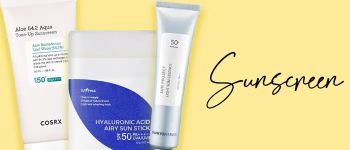

Sunscreen: Your Best Anti-Aging Step and How to Apply It Properly

Sunscreen might not feel as exciting as serums or creams, but it's genuinely the most effective anti-ageing product you can use. UV radiation breaks down collagen and elastin, the proteins that keep your skin firm and smooth. Once damaged, these structures don't fully repair themselves.
If you're serious about preventing wrinkles, dark spots, and sagging skin, sunscreen is where to focus your effort and money.
Sunscreen for Face For Indian Skin: Why Daily Protection Matters
Your skincare routine can get complicated, but dermatologists worldwide agree on one thing: sunscreen matters more than anything else. UV rays penetrate clouds and windows, reaching your skin even on days you don't plan to be "in the sun."
Why sun protection is essential:
- UV radiation breaks down collagen and elastin fibres.
- Reduces risk of dark spots and hyperpigmentation
- Shields skin from UVA rays (ageing) and UVB rays (burning)
- Protects against skin cancer and sun damage
- Works better than anti-ageing creams when used consistently
Beyond preventing wrinkles, sunscreen protects against hyperpigmentation. When UV rays hit your skin, melanocytes produce excess pigment, creating dark patches that are difficult to fade. Whether you're dealing with post-acne marks or uneven tone, sun protection is essential for maintaining an even complexion.
Korean Sunscreen SPF50 PA++++: Understanding the Protection Ratings
Not all sunscreens are created equal. For daily facial wear, you want something that feels light, doesn't leave a white cast, and works well under makeup or on bare skin.
SPF explained: SPF (Sun Protection Factor) measures protection against UVB rays that cause sunburn. SPF 30 blocks about 97% of UVB rays, while SPF 50 blocks 98%. For consistent anti-ageing protection, SPF 50 is ideal.
PA rating explained: PA rating, common in Asian sunscreens, measures UVA protection. UVA rays penetrate deeper and cause most aging damage. PA++++ offers the highest UVA protection available. This combination (SPF 50 PA+++) is considered comprehensive for daily use.
Physical vs Chemical formulas: Physical (mineral) sunscreens use zinc oxide or titanium dioxide to reflect UV rays. Chemical sunscreens absorb UV radiation and convert it to heat. Both work well when formulated properly. Chemical filters tend to feel lighter on Indian skin tones, while physical options work beautifully for sensitive skin.
Korean sunscreen formulas combine both types for broad-spectrum protection without the heavy, chalky feel of older mineral sunscreens.
What to look for in a facial sunscreen:
- Minimum SPF 50 and PA++++ for daily use
- Lightweight, non-greasy texture
- No white cast (especially important for medium to deep skin tones)
- Water-resistant if you sweat or exercise outdoors
- Free from fragrance and irritating alcohol (if you have sensitive skin)
Explore Kindlife's sun care collection to find SPF 50 PA++++ options suited to your skin type.
Sun Protection: Choosing Your Formula
Different sunscreen formulas serve different needs. Finding one you actually enjoy using is key to consistency.
Lightweight essences for daily wear: Relief Sun Rice Probiotics SPF 50 PA++++ combines sun protection with hydrating benefits. UV Aqua Rich Watery Essence Sunscreen SPF 50 PA++++ offers a texture that feels like skincare rather than makeup.
Physical/mineral options for sensitive skin: Complete No Stress Physical Sunscreen SPF 50 provides gentle protection for reactive skin.
Cream-based formulas for dry skin: Calming Lotus Sun Cream SPF 50 PA++++ and Aqua Soothing Sun Cream SPF 50 PA++++ offer richer protection with soothing ingredients.
Lightweight gel options: Green Grape Sunscreen SPF 50 PA++++ provides lightweight protection with antioxidant benefits.
Additional protection options: All Around Safe Block Essence Sun SPF 45 PA+++ offers daily essentials sunscreen. Relief Sun Rice Probiotics 10ml is perfect for travel or touch-ups.
How to Apply Sunscreen Daily: The Correct Technique
Here's where most people go wrong. Studies show that people typically apply only 25-50% of the recommended amount, which drastically reduces actual protection.
The two-finger rule: Squeeze sunscreen along the length of your index and middle fingers. That's roughly 1/4 teaspoon for your face and another 1/4 teaspoon for your neck and ears. This amount provides the SPF protection listed on the bottle.
Step-by-step application:
- Start with a clean, moisturised face.
- Dispense the two-finger amount of sunscreen.
- Dot it across your forehead, cheeks, nose, and chin.
- Blend gently in upward strokes, covering all areas evenly.
- Don't forget your neck, ears, and the back of your hands.
- Wait 15 minutes before heading outdoors.
Timing matters: Apply sunscreen as the final step of your morning skincare routine, after moisturizer and before makeup. Waiting 15 minutes allows the sunscreen to set properly.
Reapplication is essential: Sunscreen breaks down with sun exposure, sweat, and friction from touching your face. Reapply every two hours if you're spending time outdoors, or midday if you're mostly indoors near windows. For makeup wearers, toner pads like Carrot Carotene Calming Water Pad can refresh skin midday, though you should still reapply dedicated sunscreen.
Common Sunscreen Mistakes to Avoid
Even with good intentions, small mistakes undermine your sun protection.
Biggest mistakes:
- Applying too little product (less than the two-finger rule)
- Skipping reapplication throughout the day
- Using sunscreen only when you'll be "in the sun"
- Skipping sunscreen on cloudy days (UV rays penetrate clouds)
- Forgetting areas like the ears, neck, and hands
- Relying only on makeup with SPF (which rarely provides enough coverage)
- Using expired sunscreen or storing it in hot places (degrades ingredients)
- Applying sunscreen without moisturiser can cause dryness.
Daily application is non-negotiable: UVA rays pass through windows, meaning daily sunscreen is essential regardless of your plans. Even if you're staying indoors near windows, protection matters.
Making Sunscreen a Habit
Consistency is what creates results. Place sunscreen next to your toothbrush as a visual reminder, or pair it with an existing habit like applying moisturizer.
Choose a formula you genuinely enjoy using. If your sunscreen feels heavy or greasy, you'll skip it. Korean sunscreen formulas are specifically designed to feel weightless and work beautifully under makeup or on bare skin.
While serums and treatments have their place, nothing comes close to sunscreen for preserving youthful, healthy skin. Make it non-negotiable, and you'll see the difference in your skin over time.
FAQs
Does sunscreen really prevent wrinkles?
Yes. Clinical studies confirm that daily sunscreen use prevents up to 80% of visible signs of premature ageing, including fine lines, wrinkles, and loss of elasticity. UV radiation is the primary external cause of skin ageing, so blocking it preserves your skin's natural structure.
Can I use body sunscreen on my face?
You can, but facial sunscreens are lighter, less likely to clog pores, and more cosmetically elegant. Body sunscreens may feel heavy or greasy and can cause breakouts, especially if you have oily or combination skin.
How much sunscreen should I use daily?
Use about 1/4 teaspoon (roughly two fingers' length) for your face and another 1/4 teaspoon for your neck. Most people apply far less than this, which significantly reduces the SPF protection they actually receive.
Is SPF 30 enough or should I use SPF 50?
SPF 30 blocks about 97% of UVB rays, while SPF 50 blocks 98%. For daily anti-ageing protection, SPF 50 is better because most people under-apply sunscreen, and the higher SPF provides a buffer. Pair it with PA++++ for comprehensive UVA protection.
Do I need sunscreen indoors?
Yes, if you're near windows. UVA rays penetrate glass and contribute to long-term skin ageing. Wearing sunscreen indoors near windows protects against cumulative damage.
What's the difference between Korean and Indian sunscreen?
Korean sunscreens typically offer higher PA ratings (PA++++) for better UVA protection and use advanced formulations that feel lighter and blend without white cast. Many Korean brands focus on skincare-sunscreen hybrids with added benefits like hydration or brightening.
-
 Free shipping on
orders above ₹699 -
 5 days
easy returns -
 100% authentic,
direct sourcing -
 2M+ units sold
Have you been kind to yourself today?
Download now, we App-solutely recommend it


Keep up with kindlife
Whatsapp us on +918130287724 to get in touch. Reach out to us from 10AM - 6PM (Mon-Sat), we take a break on weekends (hi boss!)
© 2025 AlphaCMA Private LIMITED. All Rights Reserved.


